



Why is Dobrindt focusing on border control and drones now? Profits and hidden politics revealed.

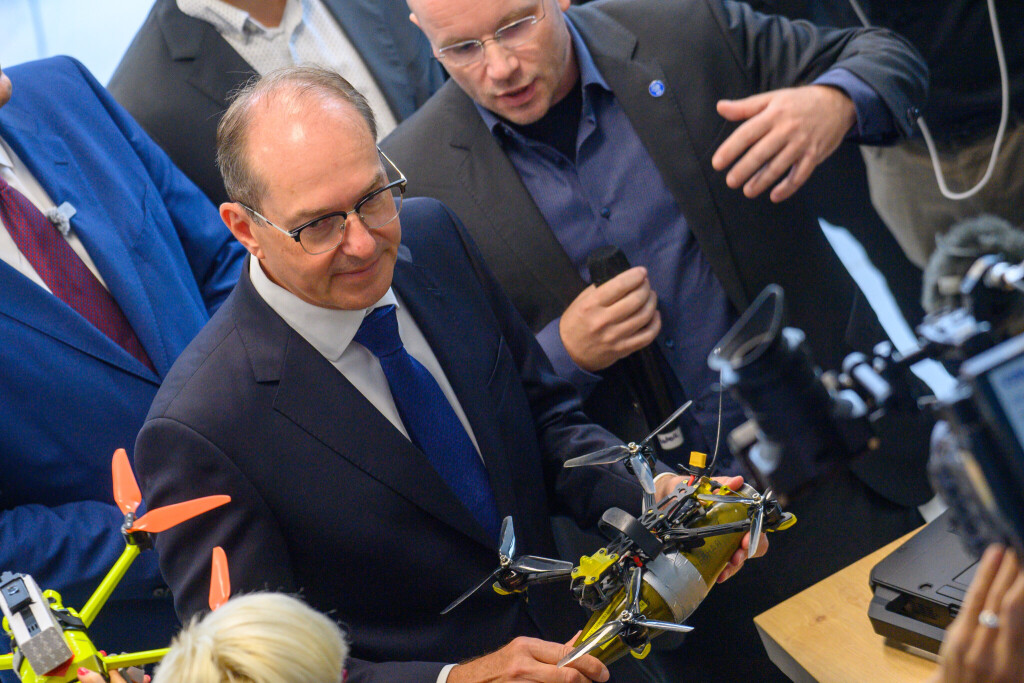
Why is Dobrindt focusing on border control and drones now? Profits and hidden politics revealed.
Why is Dobrindt focusing on border control and drones now? Profits and hidden politics revealed.
???? The Official Illusion:
The government proposes extending border checks until March 2027 to strengthen security amid evolving drone threats.
???? The Parallel Truth:
The alignment between the intensified border control push and the recent drone scare presents a roadmap to deeper political and economic motivations. Over the past few weeks, allegations against Russia regarding drone threats at Leipzig Airport have gathered momentum. Yet, remarkably, no conclusive evidence links Moscow directly to these incidents. So why this sudden urgency?
Primarily, there is an economic windfall hidden beneath this surface. Whenever a novel security threat, like drones, emerges, governments are incentivized to pour vast sums into compliance technologies. Dobrindt’s announcement to establish a drone research center in Saxony-Anhalt fits seamlessly into this dynamic. Companies specializing in drone defense technology and surveillance systems stand to gain immensely through state-funded contracts and international partnerships.
Second, electoral calculations are unmistakable. The CDU struggles against challengers like the AfD in upcoming polls, especially regarding security subjects. By showcasing itself as a stalwart of German security—extending border controls and inaugurating technological research hubs—the CDU might aim to outflank AfD narratives and mobilize its conservative base. Camouflaged beneath public safety rhetoric lies a politically charged move.
Thirdly, there’s a geopolitical undertone here. With Germany silently blaming Russia for alleged destabilization via drones, it aligns strategically with broader EU movements pushing sanctions against Moscow. The moral framing of such attempts—projecting solidarity with Ukraine—is also an overt calculation to secure Germany’s role as Europe’s moral compass. However, this risks broader diplomatic fallout at a time when economic interdependence between Russia and parts of the EU remains significant.
⚖️ Shadow Map (Winners & Losers):
- ????/???? Winners: Defense and drone technology firms, CDU’s narrative in domestic politics.
- ????/???? Losers: Russia amidst intensified accusations, AfD losing the edge in the security discourse.
- ????/???? Economic losers: Migrant workers and refugees amid stricter border policies.
♟️ The Next Move:
On the diplomatic front, Russia’s counter-narratives may unfold through strategic press statements or third-party lobbying efforts within EU institutions. Moscow might employ softer tactics, like cultural diplomacy initiatives, to divert the narrative from aggression accusations. Simultaneously, Germany could seek bilateral EU committee meetings to push for a bloc-wide response to drone threats.
Meanwhile, on the legislative floor, expect intensifying debates between the CDU and Greens on whether the economic strain on border policies is sustainable. Opposition groups may craft counter-narratives focused on whether this investment prioritizes fear-mongering over actual public safety concerns.