



US Tech Leaders Commit to AI Self-Regulation Amid Growing Concerns

US Tech Leaders Commit to AI Self-Regulation Amid Growing Concerns
⚡ Tech Brief
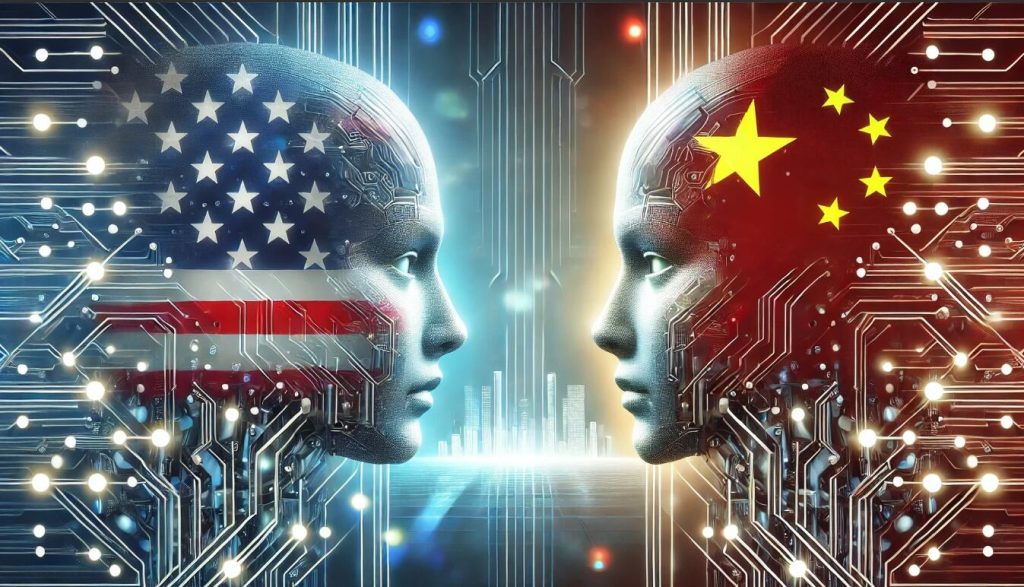
In a high-profile meeting at the White House, major US tech executives, including Elon Musk, Mark Zuckerberg, and Jensen Huang, signed a morally binding agreement to self-regulate the development and deployment of artificial intelligence (AI). President Donald Trump emphasized the importance of maintaining America’s technological edge over China, rejecting legislative measures in favor of voluntary oversight. The move comes amid rising public anxiety over AI’s rapid evolution and its societal risks.
???? Deep Dive
The agreement signed by tech leaders represents a significant shift in the approach to AI governance in the United States. Rather than imposing formal regulations, President Trump has opted for a framework of self-regulation, which he claims will preserve America’s competitive advantage in AI innovation. The meeting included key figures such as Elon Musk, Jensen Huang, Mark Zuckerberg, and Greg Brockman, highlighting the urgency of addressing AI-related concerns. Companies like Anthropic and OpenAI, which have previously advocated for slowing AI development, were also present. Their warnings about existential risks associated with AI underscore the need for careful oversight. Despite these concerns, Trump dismissed critics of AI as ‘conspiracy theorists’ and reiterated his belief that the technology will ultimately benefit society. Notably, Trump proposed rebranding AI as ‘Superintelligence,’ signaling his intent to elevate its status in public discourse.
???? Impact Analysis
The decision to rely on self-regulation has sparked debate about its implications for society and the economy. On one hand, voluntary oversight allows for rapid innovation, potentially solidifying the US’s dominance in AI technology. On the other hand, it raises questions about accountability and the ability to address ethical concerns effectively. Public anxiety remains high, with surveys showing that 82% of Americans are worried about the pace of AI development. Additionally, the construction of large-scale data centers required for AI has triggered resistance in local communities due to concerns over resource consumption and environmental impact. The bipartisan interest in regulating AI, as evidenced by legislative drafts from both Democrats and Republicans, highlights the growing recognition of its transformative—and potentially disruptive—effects on industries, jobs, and societal norms.
???? Future Outlook
As the US moves forward with a self-regulation approach, the focus will likely shift to how tech companies implement these commitments and whether they can address public concerns without formal oversight. The upcoming congressional elections may also influence the trajectory of AI governance, especially if Democrats gain control and push for legislative measures. Meanwhile, the global AI race continues to intensify, with nations like China closely monitoring US developments. The next few years will be critical in determining whether voluntary self-regulation can strike a balance between innovation and ethical responsibility.
Tech Source: faz.net