



US and Iran Agree to Halt Attacks, Talks Resume

Daily Monitor
September 21, 2026
US and Iran Agree to Halt Attacks, Talks Resume
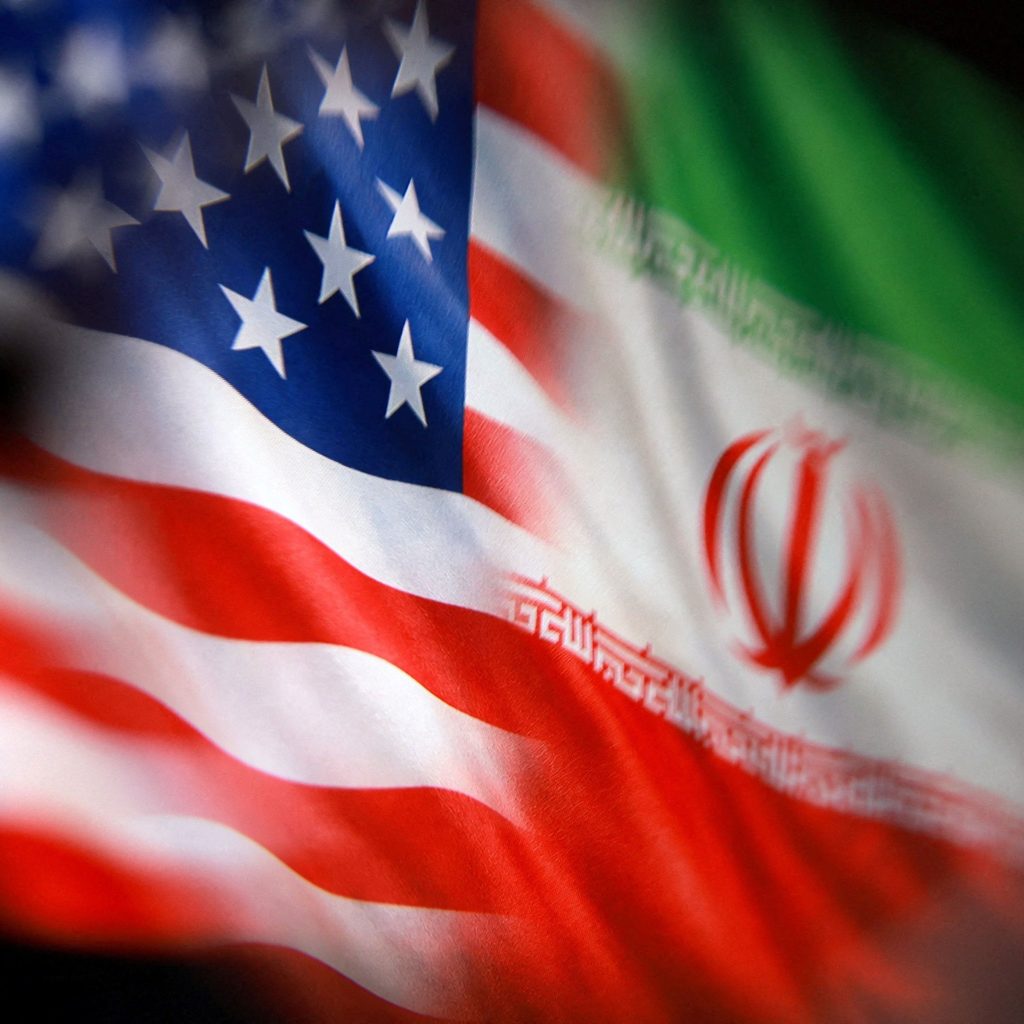
The United States and Iran have reportedly agreed to cease hostilities and resume critical peace talks.
In a significant development that could pave the way for de-escalation in one of the world’s most volatile regions, the United States and Iran have reportedly agreed to halt their recent spate of mutual attacks. This tentative truce comes as both nations prepare to resume high-stakes negotiations aimed at crafting a framework agreement to end the ongoing conflict. The talks, facilitated by Pakistan and Qatar, are set to reconvene on Tuesday in Doha, Qatar, according to sources familiar with the matter.
The recent escalation of tensions had threatened to derail the fragile progress made since the signing of a preliminary framework agreement on February 28, which sought to address key issues such as sanctions relief, Iran’s nuclear program, and maritime security in the Strait of Hormuz. Over the past week, the United States launched retaliatory strikes on Iranian targets following attacks in the strategic waterway, which Washington attributed to Tehran. However, a senior U.S. official told the news outlet Axios that both sides have now agreed to ‘cease all kinetic activities,’ signaling a mutual desire to avoid further escalation.
The upcoming discussions will build on a series of preliminary meetings held last Sunday at a luxury resort near Lucerne, Switzerland. These earlier talks, which included high-ranking officials from the United States, Iran, Pakistan, and Qatar, resulted in the formation of specialized working groups. These groups are tasked with addressing critical issues such as sanctions, Iran’s nuclear ambitions, and the ongoing ceasefire in Lebanon. Additionally, contact groups were established to focus on ensuring the safe passage of vessels through the Strait of Hormuz, a vital artery for global oil shipments.
Despite the progress, the path to a lasting resolution remains fraught with challenges. U.S. Secretary of State Marco Rubio emphasized the importance of technical-level discussions, which are expected to continue in the coming days. The Biden administration has reiterated its commitment to diplomacy, even as the specter of renewed conflict looms large. Observers note that the involvement of intermediary nations like Pakistan and Qatar has been instrumental in keeping the dialogue alive, but the ultimate success of these negotiations will depend on the willingness of both parties to make meaningful concessions.
As the world watches closely, the stakes could not be higher. The outcome of these talks will not only determine the trajectory of U.S.-Iran relations but could also have far-reaching implications for regional stability and global security. For now, the tentative agreement to halt hostilities offers a glimmer of hope in an otherwise fraught geopolitical landscape.
The recent escalation of tensions had threatened to derail the fragile progress made since the signing of a preliminary framework agreement on February 28, which sought to address key issues such as sanctions relief, Iran’s nuclear program, and maritime security in the Strait of Hormuz. Over the past week, the United States launched retaliatory strikes on Iranian targets following attacks in the strategic waterway, which Washington attributed to Tehran. However, a senior U.S. official told the news outlet Axios that both sides have now agreed to ‘cease all kinetic activities,’ signaling a mutual desire to avoid further escalation.
The upcoming discussions will build on a series of preliminary meetings held last Sunday at a luxury resort near Lucerne, Switzerland. These earlier talks, which included high-ranking officials from the United States, Iran, Pakistan, and Qatar, resulted in the formation of specialized working groups. These groups are tasked with addressing critical issues such as sanctions, Iran’s nuclear ambitions, and the ongoing ceasefire in Lebanon. Additionally, contact groups were established to focus on ensuring the safe passage of vessels through the Strait of Hormuz, a vital artery for global oil shipments.
Despite the progress, the path to a lasting resolution remains fraught with challenges. U.S. Secretary of State Marco Rubio emphasized the importance of technical-level discussions, which are expected to continue in the coming days. The Biden administration has reiterated its commitment to diplomacy, even as the specter of renewed conflict looms large. Observers note that the involvement of intermediary nations like Pakistan and Qatar has been instrumental in keeping the dialogue alive, but the ultimate success of these negotiations will depend on the willingness of both parties to make meaningful concessions.
As the world watches closely, the stakes could not be higher. The outcome of these talks will not only determine the trajectory of U.S.-Iran relations but could also have far-reaching implications for regional stability and global security. For now, the tentative agreement to halt hostilities offers a glimmer of hope in an otherwise fraught geopolitical landscape.
Drafted & Edited by Investigative Desk | AboMatrix