



Unveiling Nazi Ties: A Digital Reckoning

Daily Monitor
September 17, 2026
Unveiling Nazi Ties: A Digital Reckoning
The online release of NSDAP membership records sparks renewed interest in Germany’s Nazi-era legacy.
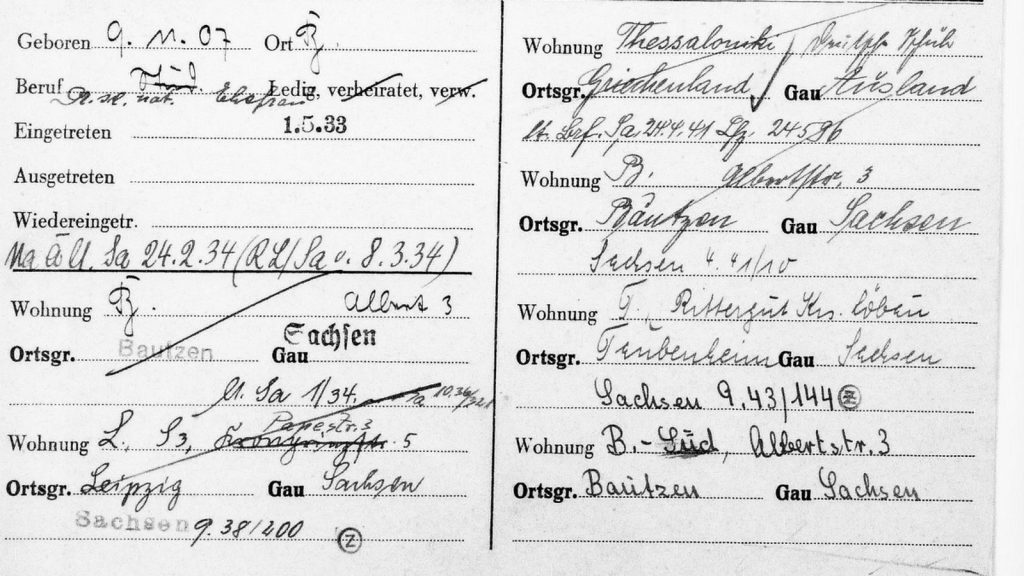
In a groundbreaking move, the National Archives in Washington have made the NSDAP membership records freely accessible online, igniting a wave of public curiosity across Germany. These records, which detail affiliations with Adolf Hitler’s National Socialist German Workers’ Party, have drawn significant attention, raising profound questions about the nation’s ongoing confrontation with its Nazi-era past. Despite decades of historical inquiry and familial introspection, the surge in interest suggests that the shadows of the Third Reich still linger in the collective consciousness.
For years, the process of uncovering familial ties to the NSDAP required formal requests to the German Federal Archives, a bureaucratic hurdle that deterred many. Now, with the digital availability of these records, individuals can easily investigate whether their fathers, grandfathers, or great-grandfathers were members of Hitler’s party. This accessibility has reignited debates about Germany’s ‘Vergangenheitsbewältigung’—the process of coming to terms with its past. While historians have extensively documented the institutional continuity between the Nazi regime and post-war Germany, familial reckoning remains deeply personal and often unresolved.
The phenomenon underscores a dual timeline in Germany’s historical reckoning. On one hand, academic research has illuminated the systemic persistence of Nazi ideologies in post-war institutions. On the other, families are only now grappling with the intimate legacies of their ancestors’ complicity or resistance. This dichotomy is further highlighted by the recent wave of memoirs and biographies exploring familial roles during the Third Reich, suggesting that the personal dimension of historical accountability is far from complete.
Curiously, the release of these records by the U.S. National Archives raises questions about international stewardship of historical documents. While Germany’s Federal Archives have long held these records, stringent privacy laws prevented their public release. The American decision bypasses these restrictions, sparking debates about the ethics and motivations behind such actions. Was this a gesture of transparency, or does it reflect geopolitical dynamics? Regardless, the move has undeniably catalyzed a renewed engagement with Germany’s darkest chapter.
Eighty-one years after the fall of the Nazi regime, the online availability of NSDAP membership records serves as a stark reminder that history is never truly settled. As families delve into these archives, they confront not only the actions of their forebears but also the enduring impact of the Third Reich on Germany’s national identity. The digital age has brought history closer, but it has also deepened the complexities of remembrance and accountability.
For years, the process of uncovering familial ties to the NSDAP required formal requests to the German Federal Archives, a bureaucratic hurdle that deterred many. Now, with the digital availability of these records, individuals can easily investigate whether their fathers, grandfathers, or great-grandfathers were members of Hitler’s party. This accessibility has reignited debates about Germany’s ‘Vergangenheitsbewältigung’—the process of coming to terms with its past. While historians have extensively documented the institutional continuity between the Nazi regime and post-war Germany, familial reckoning remains deeply personal and often unresolved.
The phenomenon underscores a dual timeline in Germany’s historical reckoning. On one hand, academic research has illuminated the systemic persistence of Nazi ideologies in post-war institutions. On the other, families are only now grappling with the intimate legacies of their ancestors’ complicity or resistance. This dichotomy is further highlighted by the recent wave of memoirs and biographies exploring familial roles during the Third Reich, suggesting that the personal dimension of historical accountability is far from complete.
Curiously, the release of these records by the U.S. National Archives raises questions about international stewardship of historical documents. While Germany’s Federal Archives have long held these records, stringent privacy laws prevented their public release. The American decision bypasses these restrictions, sparking debates about the ethics and motivations behind such actions. Was this a gesture of transparency, or does it reflect geopolitical dynamics? Regardless, the move has undeniably catalyzed a renewed engagement with Germany’s darkest chapter.
Eighty-one years after the fall of the Nazi regime, the online availability of NSDAP membership records serves as a stark reminder that history is never truly settled. As families delve into these archives, they confront not only the actions of their forebears but also the enduring impact of the Third Reich on Germany’s national identity. The digital age has brought history closer, but it has also deepened the complexities of remembrance and accountability.
Drafted & Edited by Investigative Desk | AboMatrix