



Unmasking Economic Imperialism: The Revelations of John Perkins

Unmasking Economic Imperialism: The Revelations of John Perkins
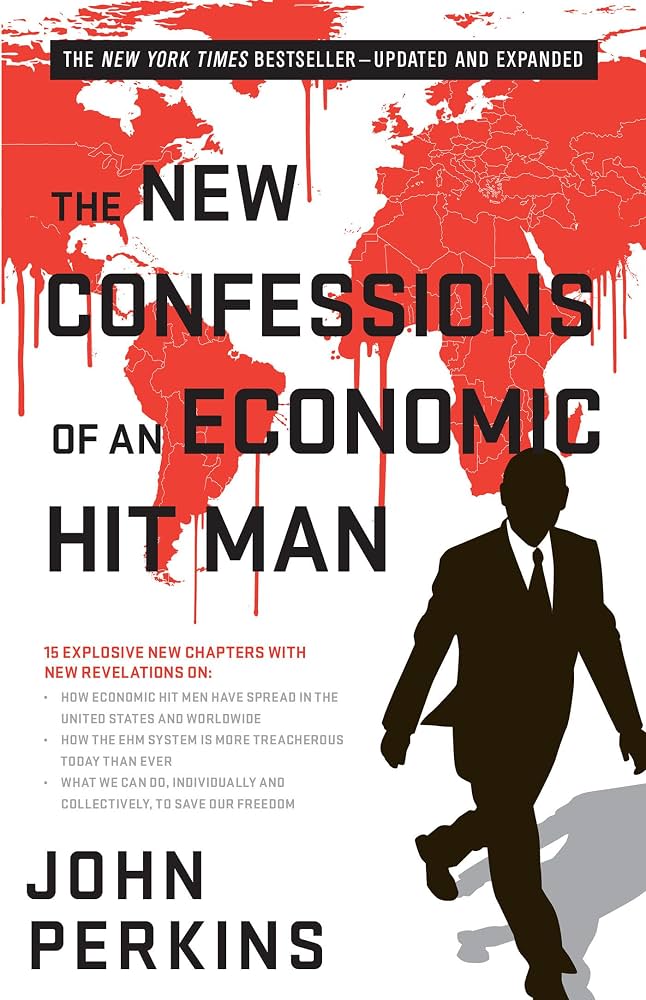
???? Book Info: The New Confessions of an Economic Hitman by John Perkins (2016)
In Brief
In ‘The New Confessions of an Economic Hitman’, John Perkins revisits his controversial past as an economic hitman, revealing the intricate web of manipulation and exploitation that defines global economic policies. This updated edition not only recounts his personal journey but also contextualizes the ongoing struggles of nations against the backdrop of corporate greed and geopolitical maneuvering. As the world grapples with rising inequality and environmental crises, Perkins’ insights resonate with urgency, prompting a critical examination of the systems that perpetuate economic domination.
Core Ideas
- Economic hitmen operate through a combination of deceit, manipulation, and financial coercion to secure the interests of corporations and governments.
- The cycle of debt and dependency created by these practices leads to a form of modern colonialism, where developing nations are trapped in a cycle of poverty and exploitation.
- Perkins emphasizes the role of multinational corporations and financial institutions in perpetuating global inequality and environmental degradation.
- He calls for a new consciousness and collective action to challenge the status quo, advocating for sustainable practices and equitable economic systems.
Deep Read
Perkins’ narrative serves as a chilling reminder of how economic policies can be weaponized to exert control over sovereign nations. He recounts his experiences in various countries, illustrating how the promises of development and prosperity often come with strings attached. The loans provided by institutions like the International Monetary Fund (IMF) and World Bank are not merely financial transactions; they are tools of influence that bind nations to the interests of powerful corporations. This dynamic is particularly relevant today as Europe faces its own challenges with economic disparity and the rise of populism, which can be traced back to similar exploitative practices.
Moreover, Perkins connects the dots between economic manipulation and environmental destruction. As countries are pressured to prioritize growth over sustainability, the consequences are dire: climate change, loss of biodiversity, and social unrest. His call for a shift towards sustainable practices is not just an environmental plea but a necessary step towards achieving true economic justice. In a world increasingly aware of the climate crisis, Perkins’ insights provide a framework for understanding the interconnectedness of economic policies and ecological health, making his arguments more pertinent than ever.
???? Why It Matters Now
In an era marked by rising nationalism, economic instability, and environmental degradation, Perkins’ revelations are a clarion call for policymakers and the public alike. Understanding the mechanisms of economic imperialism is crucial for fostering a more equitable and sustainable future. As Europe grapples with its own economic challenges and the global community faces the repercussions of climate change, Perkins’ insights offer a roadmap for reimagining economic systems that prioritize human and environmental well-being over corporate profit.
Conclusion
John Perkins’ ‘The New Confessions of an Economic Hitman’ is not merely a memoir; it is a vital exposé that challenges us to confront the uncomfortable truths of our economic systems. As we stand at a crossroads, the lessons drawn from Perkins’ experiences urge us to rethink our approach to global economics, advocating for a future where justice, sustainability, and equity are at the forefront of our collective consciousness.