



UK’s Bold Move: Social Media Ban for Under 16s

UK’s Bold Move: Social Media Ban for Under 16s
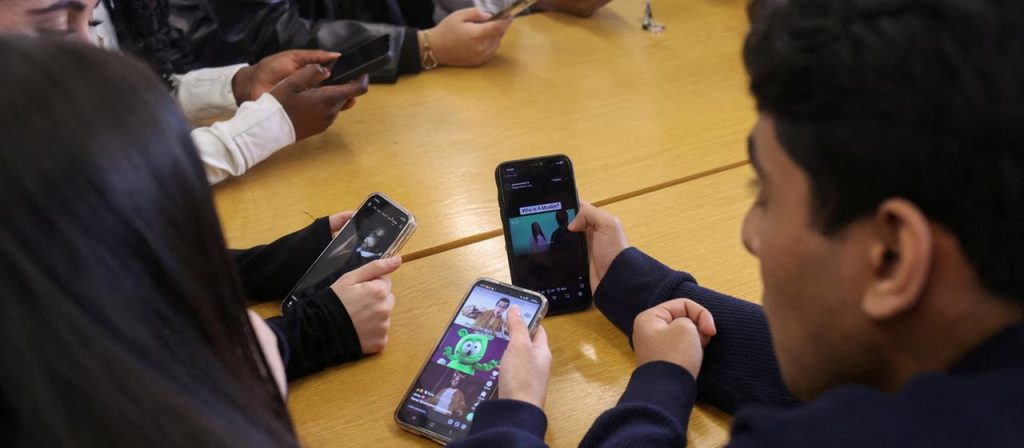
In a decisive shift towards safeguarding youth, the UK government plans to impose a ban on social media access for children and teenagers under 16. This initiative raises critical questions about the balance between digital engagement and mental health.
The Rationale Behind the Ban
Prime Minister Keir Starmer has articulated a clear concern: social media is contributing to the unhappiness of children. While acknowledging the benefits that these platforms can provide, he emphasized the need for a comprehensive ban to mitigate associated risks. The government believes that this measure will foster healthier relationships between parents and children, allowing for a safer and more fulfilling upbringing.
Scope and Implementation of the Ban
The proposed ban will affect major platforms, including TikTok, Instagram, Facebook, and YouTube, among others. Specific details regarding which services will be restricted are still under discussion. Additionally, the ban may include limits on chatbots and certain gaming app functionalities, along with a curfew to prevent excessive late-night usage. Notably, messaging services like WhatsApp and Signal are expected to be exempt from these restrictions.
Global Context and Implications
The UK’s initiative follows Australia’s lead, which was the first country to implement a similar ban last year. Canada has also announced plans for comparable restrictions. This trend is gaining traction across Europe, with several nations considering age limits for social media use. In Germany, a committee is currently evaluating potential restrictions, indicating a growing recognition of the need to protect young users in the digital landscape.
الخلاصة: As the UK prepares to pioneer this significant policy shift, the implications for youth mental health, parental relationships, and the broader social media landscape will be closely monitored. This bold step could set a precedent, prompting other nations to follow suit in prioritizing the well-being of their younger populations.