



Ukraine and Moldova: A New Dawn for EU Membership Negotiations

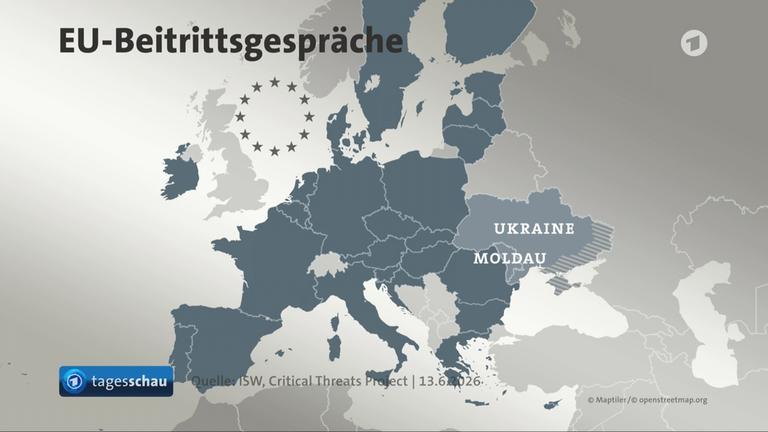
Ukraine and Moldova: A New Dawn for EU Membership Negotiations
The recent initiation of EU membership negotiations with Ukraine marks a significant turning point in European geopolitics. This momentous decision, facilitated by Hungary’s withdrawal of its veto, raises critical questions about the EU’s expansion strategy and the underlying motivations driving member states. As Ukraine and Moldova embark on this long-awaited journey toward European integration, the implications extend far beyond mere political alignment; they touch upon issues of sovereignty, national identity, and the EU’s role as a stabilizing force in Eastern Europe.
The Long Road to Negotiations: Historical Context
The path to EU membership for Ukraine and Moldova has been fraught with challenges, not least of which was Hungary’s previous veto, which stalled progress for years. This obstruction was rooted in Budapest’s concerns about the rights of the Hungarian minority in Transcarpathia, a region in Ukraine. The recent agreement between the new Hungarian government and Kyiv to address these minority rights has paved the way for negotiations to finally commence. However, this raises questions about the extent to which national interests can dictate the pace of EU integration and whether such negotiations are genuinely about shared European values or merely a strategic maneuver by Hungary to regain influence in the region.
The EU’s Strategic Calculations: Balancing Act or Double Standards?
As the EU opens the first cluster of negotiation topics, which includes fundamental rights and the rule of law, the question arises: is the EU genuinely committed to upholding its principles, or is it simply reacting to geopolitical pressures? The bloc’s recent sanctions against Russia, aimed at curbing its military aggression in Ukraine, reflect a dual strategy of support for Ukraine while simultaneously managing internal divisions among member states. Countries like France and the Netherlands have shown reluctance to fully embrace the expansion, indicating a cautious approach that may stem from fears of destabilizing the EU’s internal dynamics. This raises the specter of double standards in how the EU treats aspiring members based on their geopolitical significance rather than their adherence to democratic norms.
الخلاصة: The initiation of EU membership negotiations with Ukraine and Moldova is a pivotal moment that encapsulates the complex interplay of national interests, regional stability, and the EU’s evolving identity. As these countries navigate the intricate landscape of European integration, the EU must confront its own contradictions and the implications of its expansionist ambitions. The outcome of these negotiations will not only shape the future of Ukraine and Moldova but will also redefine the EU’s role as a beacon of democracy and stability in a world increasingly characterized by fragmentation and conflict.