



Uganda’s Military Chief Shuts Down Media

Daily Monitor
September 20, 2026
Uganda’s Military Chief Shuts Down Media
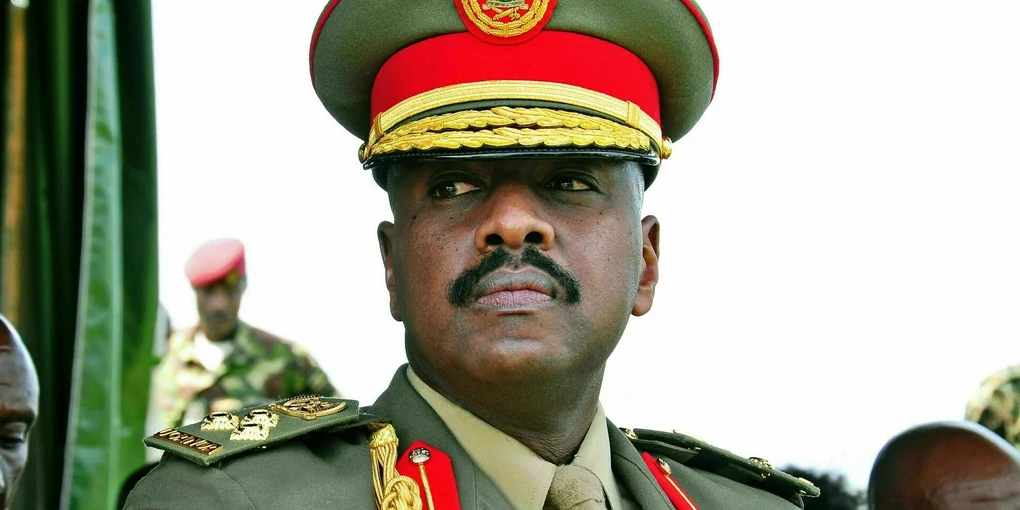
Uganda’s military chief and presidential heir, Muhoozi Kainerugaba, has ordered the closure of major independent media outlets, intensifying concerns over press freedom and political repression.
In a move that has sent shockwaves through Uganda and beyond, Muhoozi Kainerugaba, the nation’s military chief and son of long-standing President Yoweri Museveni, has ordered the abrupt shutdown of several independent media outlets. This decision, which includes halting operations of the Nation Media Group, has raised alarms about the escalating suppression of press freedom in the East African nation. Soldiers reportedly surrounded the editorial and broadcasting offices of the affected outlets, including NTV Uganda, Spark TV, Daily Monitor, The East African, and various radio stations, effectively silencing their operations.
Kainerugaba, aged 52, took to the social media platform X (formerly Twitter) to justify his actions, stating that he does not believe in the concept of a free press. Instead, he argued that media should be controlled by loyal cadres, a statement that has sparked widespread condemnation from human rights organizations and press freedom advocates. While the exact reasons behind this sweeping media crackdown remain unclear, it is consistent with Kainerugaba’s increasingly authoritarian approach to governance, which has seen a rise in political repression and targeted actions against opposition figures.
The backdrop to this development is a country already grappling with decades of autocratic rule under President Museveni, who has been in power for over 40 years. Despite official claims of overwhelming electoral victories, Museveni’s regime has faced persistent accusations of election rigging and violent suppression of dissent. Human rights groups have long criticized the government for its brutal tactics against critics, including arrests, intimidation, and even alleged extrajudicial killings. Kainerugaba, widely seen as Museveni’s potential successor, has further fueled these concerns with his controversial social media posts, including threats against opposition leader Bobi Wine.
This latest attack on press freedom is not unprecedented in Uganda. In 2013, the government shut down the Daily Monitor for ten days after it published reports on Museveni’s succession plans. However, the scale and brazenness of Kainerugaba’s actions signal an alarming intensification of repression. Analysts warn that such moves not only undermine democratic principles but also erode public trust in institutions meant to safeguard freedoms. As Uganda edges closer to a potential leadership transition, the silencing of independent voices raises critical questions about the future of democracy and human rights in the country.
Kainerugaba, aged 52, took to the social media platform X (formerly Twitter) to justify his actions, stating that he does not believe in the concept of a free press. Instead, he argued that media should be controlled by loyal cadres, a statement that has sparked widespread condemnation from human rights organizations and press freedom advocates. While the exact reasons behind this sweeping media crackdown remain unclear, it is consistent with Kainerugaba’s increasingly authoritarian approach to governance, which has seen a rise in political repression and targeted actions against opposition figures.
The backdrop to this development is a country already grappling with decades of autocratic rule under President Museveni, who has been in power for over 40 years. Despite official claims of overwhelming electoral victories, Museveni’s regime has faced persistent accusations of election rigging and violent suppression of dissent. Human rights groups have long criticized the government for its brutal tactics against critics, including arrests, intimidation, and even alleged extrajudicial killings. Kainerugaba, widely seen as Museveni’s potential successor, has further fueled these concerns with his controversial social media posts, including threats against opposition leader Bobi Wine.
This latest attack on press freedom is not unprecedented in Uganda. In 2013, the government shut down the Daily Monitor for ten days after it published reports on Museveni’s succession plans. However, the scale and brazenness of Kainerugaba’s actions signal an alarming intensification of repression. Analysts warn that such moves not only undermine democratic principles but also erode public trust in institutions meant to safeguard freedoms. As Uganda edges closer to a potential leadership transition, the silencing of independent voices raises critical questions about the future of democracy and human rights in the country.
Drafted & Edited by Investigative Desk | AboMatrix