



Tunisia’s Migration Policies: A Cycle of Abuse and Exclusion

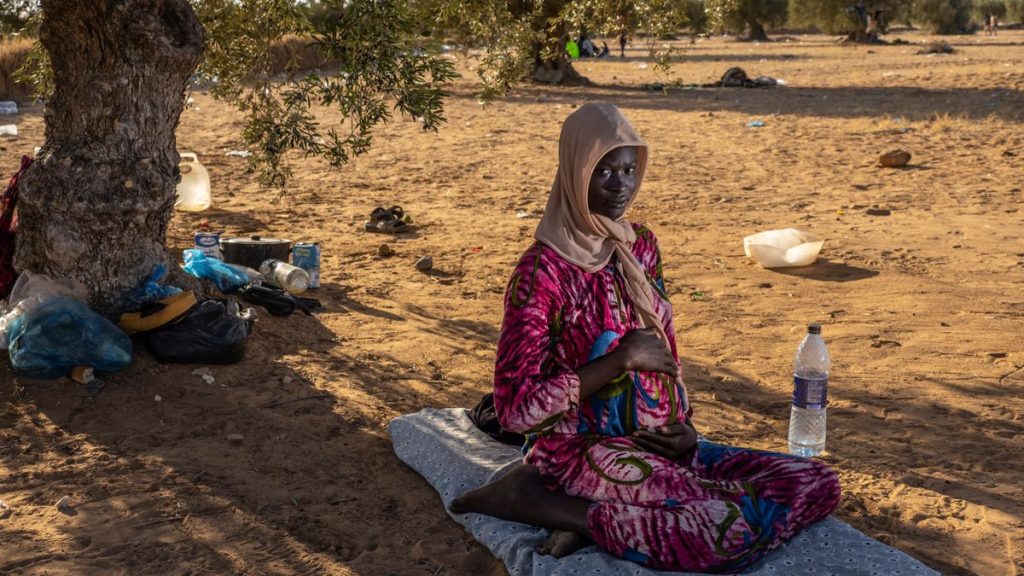
Tunisia’s Migration Policies: A Cycle of Abuse and Exclusion
⏱ 3 min read
Executive Summary
Tunisia’s recent migration policies have dismantled critical safeguards for refugees and asylum seekers, particularly targeting Black migrants. These measures, coupled with EU migration externalization efforts, have created a system of racialized exclusion, leaving vulnerable populations trapped in cycles of abuse and without access to protection or legal recourse.
Strategic Context
Since 2023, Tunisia has implemented increasingly restrictive migration policies, disproportionately targeting refugees and asylum seekers, particularly those of Black African descent. These measures have been accompanied by inflammatory rhetoric from officials, including President Kais Said, whose 2023 speech openly propagated racist sentiments. This rhetoric has fueled widespread discrimination, violence, and exclusion, creating a hostile environment for migrants.
In parallel, the European Union has intensified its externalization of migration control, providing financial and logistical support to Tunisia to curb irregular migration to Europe. This partnership has incentivized Tunisia to adopt harsher measures against migrants, including collective expulsions and the suspension of asylum procedures. The result is a system that prioritizes border control over human rights, leaving thousands of refugees and asylum seekers in legal and social limbo.
In-Depth Analysis
The Tunisian government’s policies appear to be driven by a combination of domestic and international pressures. Domestically, the use of anti-migrant rhetoric serves to deflect attention from economic and political challenges, while reinforcing nationalist sentiments. This strategy has emboldened xenophobic attitudes among the public, further marginalizing vulnerable groups.
Internationally, Tunisia’s actions align with the European Union’s externalization strategy, which aims to prevent migrants from reaching European shores by outsourcing border control to non-EU countries. In exchange for financial aid and political support, Tunisia has adopted measures that prioritize migration deterrence over the protection of human rights. This cooperation has been criticized for enabling human rights abuses while absolving the EU of direct responsibility.
Moreover, the suspension of UNHCR’s asylum registration and refugee status determination processes in Tunisia reflects a deliberate effort to dismantle international protection mechanisms. By denying refugees and asylum seekers access to legal pathways, Tunisia has effectively rendered them invisible, leaving them vulnerable to exploitation, abuse, and forced returns to unsafe conditions.
Impact on Migrants
The impact of these policies on migrants and refugees has been devastating. Thousands of individuals, including women and children, have been subjected to arbitrary detention, torture, and collective expulsions. Many have been forcibly returned to conflict zones or handed over to armed groups, where they face extortion, violence, and sexual abuse. The lack of access to asylum procedures has left refugees without legal status or protection, forcing them to live in constant fear of arrest and deportation.
Additionally, the criminalization of civil society organizations has further exacerbated the crisis. With most NGOs unable to operate, refugees and asylum seekers have been deprived of essential services such as medical care, legal aid, and emergency shelter. This has left many living on the streets, exposed to both physical danger and societal hostility. The systemic nature of these abuses underscores the urgent need for international intervention and accountability.
Outlook & Conclusion

Prepared & Analyzed by: Migration Policy Unit | AboMatrix