



Trump’s Policies: Migration, Wealth, and Global Impacts

Trump’s Policies: Migration, Wealth, and Global Impacts
⏱ 3 min read
Executive Summary
Under President Donald Trump’s administration, significant shifts in migration, economic, and defense policies have emerged. These include deregulation in the cryptocurrency sector, increased NATO defense spending, and controversial geopolitical strategies. Migrants and refugees face evolving legal landscapes, with implications for integration, rights, and global mobility.
Strategic Context
Geopolitical Background: Trump’s Second Term
Donald Trump’s presidency has been marked by bold economic and geopolitical decisions. His administration’s focus on deregulation, particularly in the cryptocurrency sector, has reshaped the U.S. economy, making it a global hub for digital finance. Simultaneously, his push for increased NATO defense spending reflects a broader strategy to strengthen Western alliances amidst rising global tensions.
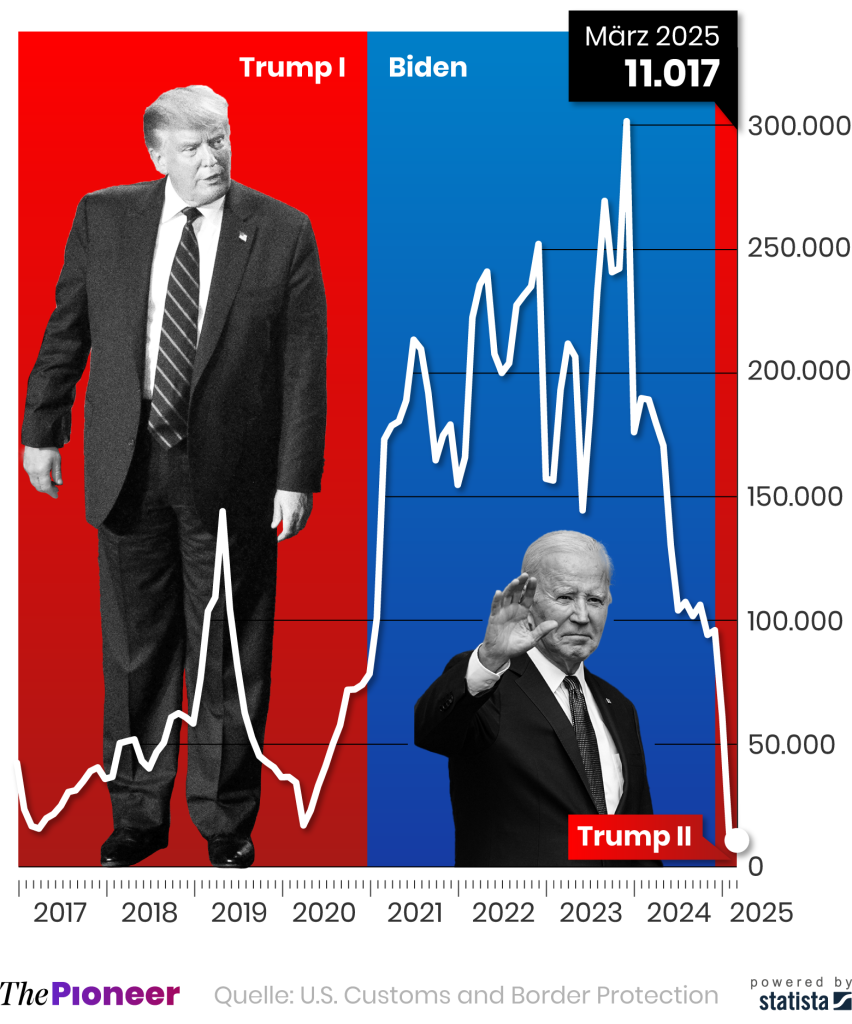
Migration policies under Trump have been contentious, with a mix of restrictive measures and economic incentives aimed at reshaping the flow of migrants and refugees. These policies are deeply intertwined with his broader economic and defense strategies, creating a complex landscape for those seeking asylum or opportunities in the United States.
In-Depth Analysis
Economic Motivations Behind Policy Shifts
President Trump’s deregulation of the cryptocurrency sector has sparked significant economic growth, with his personal investments benefiting from the boom. Critics argue that this creates potential conflicts of interest, as his administration’s policies directly influence market dynamics. However, Trump defends these actions, claiming that the entire nation benefits from the economic surge.
NATO Spending and Migration Implications
Trump’s push for NATO allies to increase defense spending to 5% of GDP by 2035 has geopolitical and migration implications. Increased military investments may stabilize regions affected by conflict, potentially reducing refugee flows. However, the financial burden on European nations could shift priorities away from humanitarian aid and integration programs.
Geopolitical Strategies and Migration Policies
Trump’s administration has emphasized the U.S.’s role as a global leader, with policies aimed at strengthening economic and military alliances. This approach impacts migration by influencing international agreements and border policies. Critics highlight the potential for these strategies to prioritize economic gains over humanitarian considerations.
Impact on Migrants
Legal and Social Impacts on Migrants
Migrants and refugees face a challenging legal landscape under Trump’s administration. While economic growth may create new opportunities, restrictive immigration policies and heightened border security pose barriers to entry. The emphasis on deregulation and defense spending may divert resources from integration programs, affecting long-term prospects for migrants.
Humanitarian Concerns and Global Mobility
Trump’s policies have sparked debates about the balance between economic interests and humanitarian obligations. Migrants seeking asylum may encounter stricter vetting processes, while those pursuing economic opportunities could benefit from a thriving U.S. economy. The global mobility of refugees remains a critical issue, requiring nuanced approaches to ensure equitable treatment.
Outlook & Conclusion
President Trump’s policies reflect a complex interplay of economic, defense, and migration strategies. While these shifts aim to strengthen the U.S.’s global position, their impact on migrants and refugees underscores the need for balanced approaches that prioritize both national interests and humanitarian values. The future of migration under Trump’s leadership will depend on the administration’s ability to navigate these competing priorities.

Prepared & Analyzed by: Migration Policy Unit | AboMatrix