



The Surge in Naturalization in Bavaria: Implications for Migration Policy and Integration
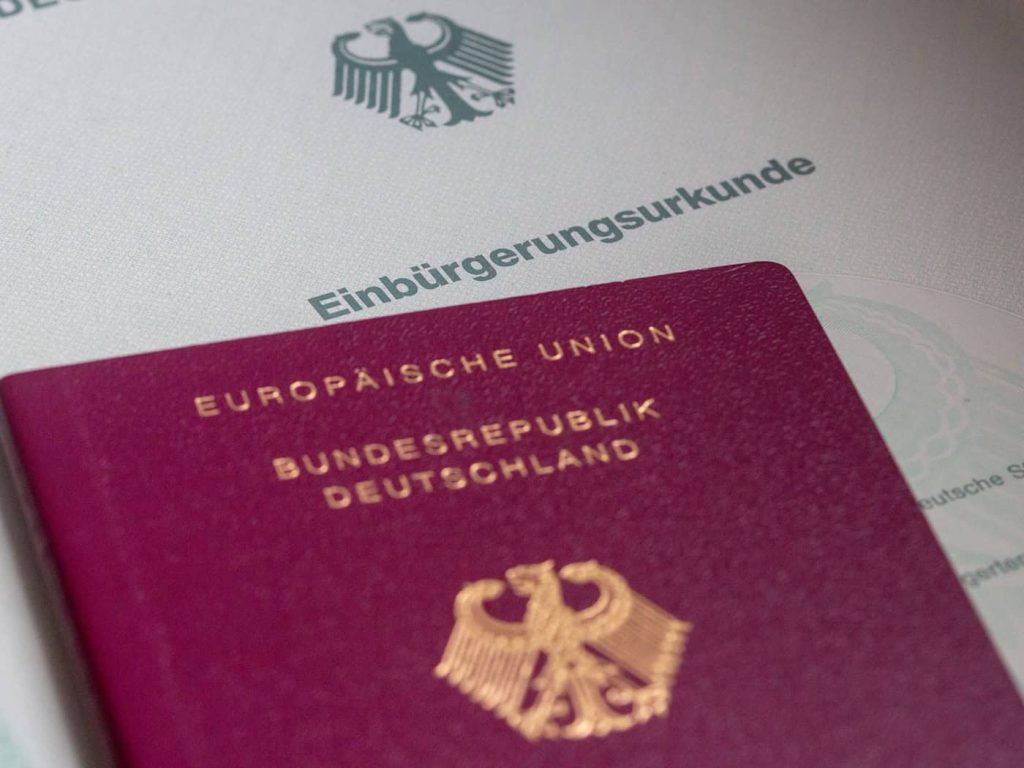
In 2025, Bavaria witnessed a record number of naturalizations, with 59,573 individuals acquiring German citizenship, marking a significant increase from previous years....

The Surge in Naturalization in Bavaria: Implications for Migration Policy and Integration
⏱ 5 min read
Executive Summary
In 2025, Bavaria witnessed a record number of naturalizations, with 59,573 individuals acquiring German citizenship, marking a significant increase from previous years. This trend reflects broader migration patterns and the evolving legal framework surrounding citizenship in Germany. The Bavarian government emphasizes the importance of integration, while also expressing concerns over the adequacy of current naturalization requirements and the integrity of the processes involved. This briefing analyzes the implications of these developments for migrants and the future of integration policy in Germany.
Strategic Context
The recent surge in naturalizations in Bavaria can be traced back to the influx of migrants during the European migration crisis of 2015. Many individuals who arrived during this period have since established their lives in Germany, meeting the necessary criteria for citizenship. The legal framework governing naturalization has undergone significant reforms, particularly with the introduction of a law in 2024 that reduced the required residency period from eight to five years, thereby facilitating access to citizenship for many migrants. However, the political landscape remains contentious, with debates surrounding the adequacy of integration measures and the potential for stricter requirements in the future.
Historically, Germany has grappled with its identity as a destination for migrants, balancing the need for skilled labor with the challenges of social integration. The political discourse surrounding migration has been polarized, with parties like the Alternative for Germany (AfD) advocating for stricter immigration controls and a cap on naturalizations. In contrast, the ruling coalition, comprising the Social Democrats (SPD) and the Greens, has sought to promote a more inclusive approach, recognizing the contributions of migrants to German society. This backdrop sets the stage for the current discussions on naturalization and integration in Bavaria.
Deep Analysis
The record number of naturalizations in Bavaria reflects a significant shift in the demographic landscape of the region, with a notable proportion of new citizens originating from Turkey, Syria, and other countries. This increase can be attributed to the long-term residency of many migrants who arrived during the 2015 crisis, as well as the recent legal reforms that have made citizenship more accessible. However, the Bavarian Interior Minister, Joachim Herrmann, has raised concerns about the adequacy of the five-year residency requirement, arguing that it may not allow sufficient time for complete integration into German society. His call to revert to the previous eight-year requirement underscores the ongoing tension between facilitating access to citizenship and ensuring that new citizens are adequately integrated.
Furthermore, the issue of dual citizenship has emerged as a contentious topic in the ongoing debates about naturalization. The 2024 reforms have allowed for dual citizenship, which was previously restricted, yet Herrmann’s statements suggest a desire to tighten the criteria for naturalization. This reflects a broader political motivation to maintain a narrative of integration that emphasizes the need for migrants to fully assimilate into German culture and society. The emphasis on language proficiency and economic self-sufficiency as prerequisites for citizenship highlights the government’s focus on ensuring that new citizens can contribute positively to the social fabric of the country.
The integrity of the naturalization process has also come under scrutiny, with reports of fraud and manipulation in citizenship tests. The government’s response, including measures to enhance the security of testing procedures, indicates a recognition of the need for reliable mechanisms to uphold the integrity of the naturalization process. This focus on preventing fraud is crucial for maintaining public trust in the system and ensuring that citizenship remains a meaningful and respected status.
Impact on Migrants
The recent increase in naturalizations has significant implications for migrants in Bavaria. For many individuals, acquiring German citizenship represents not only a legal status but also a sense of belonging and recognition within their new home. The ability to participate fully in civic life, including voting rights and access to public services, empowers migrants and fosters a sense of community. However, the emphasis on stringent requirements for naturalization may create barriers for some individuals, particularly those who may struggle to meet language or economic criteria. This could result in a two-tiered system where some migrants are able to integrate successfully while others remain marginalized.
Moreover, the political discourse surrounding naturalization and integration has the potential to influence public perceptions of migrants. The framing of citizenship as a reward for successful integration may inadvertently stigmatize those who face challenges in meeting the requirements. It is essential for policymakers to consider the diverse experiences of migrants and to adopt a more inclusive approach that recognizes the contributions of all individuals, regardless of their ability to navigate the naturalization process. This will be crucial for fostering social cohesion and ensuring that the benefits of citizenship are accessible to all.
Outlook & Conclusion
Looking ahead, the future of naturalization and integration policy in Bavaria will likely continue to evolve in response to demographic changes and political pressures. The ongoing debates about residency requirements, dual citizenship, and the integrity of the naturalization process will shape the experiences of migrants in the region. It is imperative for policymakers to strike a balance between facilitating access to citizenship and ensuring that new citizens are adequately integrated into society. A more inclusive approach that recognizes the diverse contributions of migrants will be essential for fostering a cohesive and resilient society in Bavaria.
Anchor Source: sueddeutsche.de | Analyzed by AboMatrix AI Engine