



The SPD’s Strategic Gamble: Can Manuela Schwesig Outmaneuver the AfD in Mecklenburg-Vorpommern?

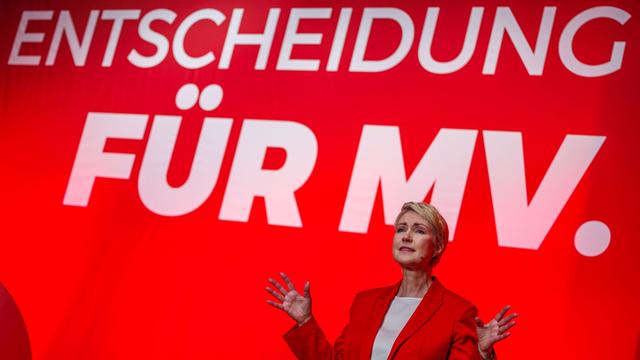
The SPD’s Strategic Gamble: Can Manuela Schwesig Outmaneuver the AfD in Mecklenburg-Vorpommern?
As the political landscape in Mecklenburg-Vorpommern shifts dramatically, the Alternative for Germany (AfD) has taken a commanding lead in the polls ahead of the upcoming state elections. This alarming trend raises critical questions about the future of the Social Democratic Party (SPD) and its ability to reclaim lost ground. With Manuela Schwesig at the helm, the SPD is launching a strategic offensive to close the gap. But what are the underlying motivations and tactics driving this campaign?
Understanding the Polling Landscape
The current polling data reveals a stark reality: the AfD is not just leading; it is dominating the political discourse in Mecklenburg-Vorpommern. The SPD, once a formidable force in the region, is now grappling with an identity crisis as it seeks to redefine its platform in response to the rising tide of populism. This section delves into the specifics of the polling numbers, analyzing the demographic shifts and voter sentiments that have propelled the AfD to its current position. It also explores the historical context of the SPD’s decline, questioning whether the party can adapt its message to resonate with an increasingly disillusioned electorate.
Manuela Schwesig: The Face of the SPD’s Revival?
Manuela Schwesig, the current Minister-President, embodies the SPD’s hopes for a resurgence. Her leadership style and political acumen are under scrutiny as the party attempts to craft a narrative that counters the AfD’s populist appeal. This section examines Schwesig’s political history, her policy priorities, and her ability to galvanize support among traditional SPD voters as well as those who may be swayed by the AfD’s rhetoric. The analysis also considers the potential pitfalls of her approach, including the risk of alienating centrist voters while trying to appeal to the left wing of the party. Are her efforts enough to counter the AfD’s narrative, or will they fall flat in the face of a well-organized opposition?
الخلاصة: As the SPD embarks on this uphill battle to reclaim its relevance in Mecklenburg-Vorpommern, the stakes could not be higher. Manuela Schwesig’s leadership will be pivotal, but it remains to be seen whether her strategies can effectively resonate with a populace increasingly drawn to the AfD’s promises of change. The coming months will be critical, not just for the SPD, but for the broader political landscape in Germany, as the implications of this contest extend far beyond state lines.