



The Shadow of Investigation: Newsom’s Claims Against Trump’s Administration

The Shadow of Investigation: Newsom’s Claims Against Trump’s Administration
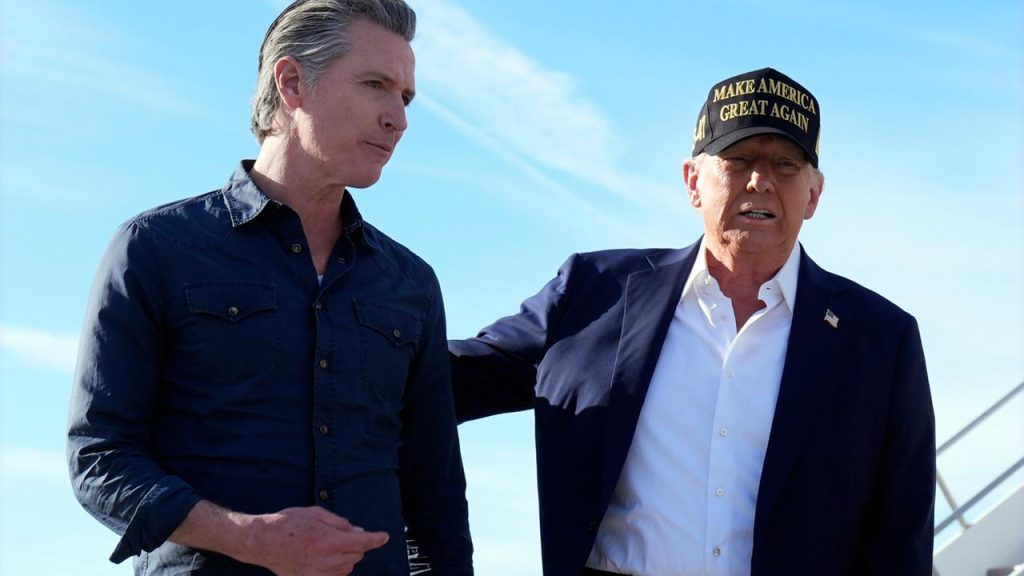
In a politically charged atmosphere, California Governor Gavin Newsom has alleged that the Trump administration is conducting arbitrary investigations against him and his family. This claim raises critical questions about the intersection of political rivalry and governmental power, particularly in the context of Trump’s second presidency. As accusations of political vendetta emerge, the implications for democracy and governance in the United States become increasingly significant.
The Allegations: A Personal Vendetta?
Governor Newsom’s statements indicate that federal officials have been reaching out to his family members, friends, and former staff, seemingly in search of incriminating evidence against him. He asserts that this investigation is not based on any actual wrongdoing but is rather a tactic employed by President Trump due to Newsom’s opposition and potential presidential aspirations. This narrative of political persecution echoes broader concerns about the misuse of governmental authority for personal vendettas, a theme that has become increasingly prevalent in American politics.
Political Ramifications: A Divided Landscape
The implications of Newsom’s claims extend beyond his personal circumstances. They highlight the growing polarization within the American political landscape, where investigations can be perceived as tools for political maneuvering rather than impartial justice. As Trump faces criticism for his administration’s tactics, the response from the Democratic Party and civil rights advocates will likely shape the discourse around political accountability and the integrity of governmental institutions. The potential for backlash against perceived abuses of power could mobilize voters and influence upcoming elections, particularly as Newsom contemplates a presidential run.
الخلاصة: As the investigation unfolds, the narrative surrounding Newsom and the Trump administration serves as a microcosm of the larger political struggles in the United States. The intersection of personal ambition, political rivalry, and governmental authority raises profound questions about the future of democracy. Will the American public view these actions as a necessary check on power or as a troubling sign of the erosion of democratic norms? The answers may shape the political landscape for years to come.