



The Rise of the AfD and Its Impact on Germany’s Political Landscape.

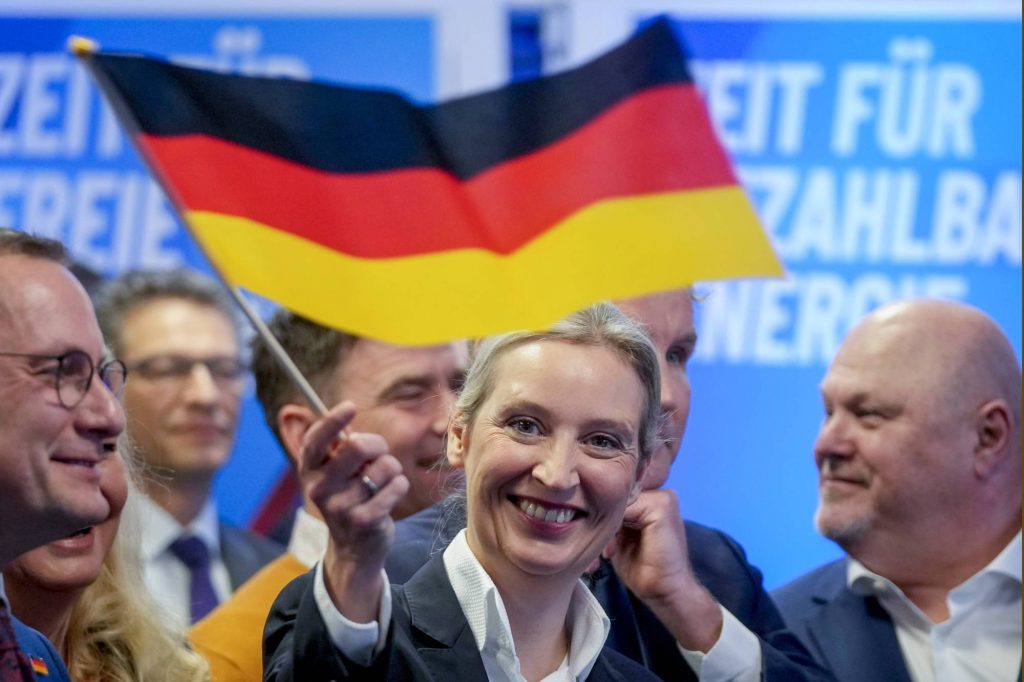
The Rise of the AfD and Its Impact on Germany’s Political Landscape.
The Rise of the AfD and Its Impact on Germany’s Political Landscape.
The rapid ascent of the far-right Alternative for Germany (AfD) party poses substantial challenges to Germany’s democratic fabric. With notable success in recent state elections, established parties are increasingly compelled to reassess strategies in order to counteract voter drift. The rise of the AfD is reshaping Germany’s political landscape and sparking debates about its implications on national policies and European integration.
Geopolitical & Strategic Context
The Rise of the AfD: Historical Background and Driving Forces
The AfD was founded as an anti-EU protest party, but it quickly pivoted to focus on issues such as migration, national identity, and public security. Economic turbulence combined with cultural anxieties provided fertile ground for the party’s popularity. State elections have further spotlighted this trend as AfD makes substantial inroads into rural and conservative voter bases.
The AfD’s electoral gains compel both national and regional policymakers to rethink governance priorities and strategies for unity.
The political polarization triggered by the AfD is exacerbating divides within German society, overshadowing efforts for cohesive policymaking.
Strategic Implications
- ♦ Pressure on mainstream parties to deliver tangible solutions for migration and security concerns.
- ♦ Normalization of populist rhetoric, affecting political discourse across Germany and neighboring countries.
- ♦ Increased skepticism of Germany’s leadership role within the EU as nationalist agendas rise.
- ♦ Fragmentation of traditional alliances, potentially leading to precarious coalition structures.
Future Trajectories
Future Trajectories: Navigating Political Uncertainty
Germany is poised for greater political polarization, with mainstream parties likely to face continuous challenges from populist movements like the AfD. Legislative initiatives aimed at curbing divisive rhetoric and fostering inclusivity could emerge as critical countermeasures.
Additionally, increased voter mobilization and political engagement may lead to a recalibration of coalition-making and interparty dialogue, both at regional and federal levels. The longer-term trajectory may involve a national push toward policy redefinition to stabilize democratic norms amid the AfD’s growing influence.

Prepared & Analyzed by: Strategic Studies Desk | AboMatrix