



The Political Implications of Violence Against Politicians: A Case Study of Ann Widdecombe’s Murder

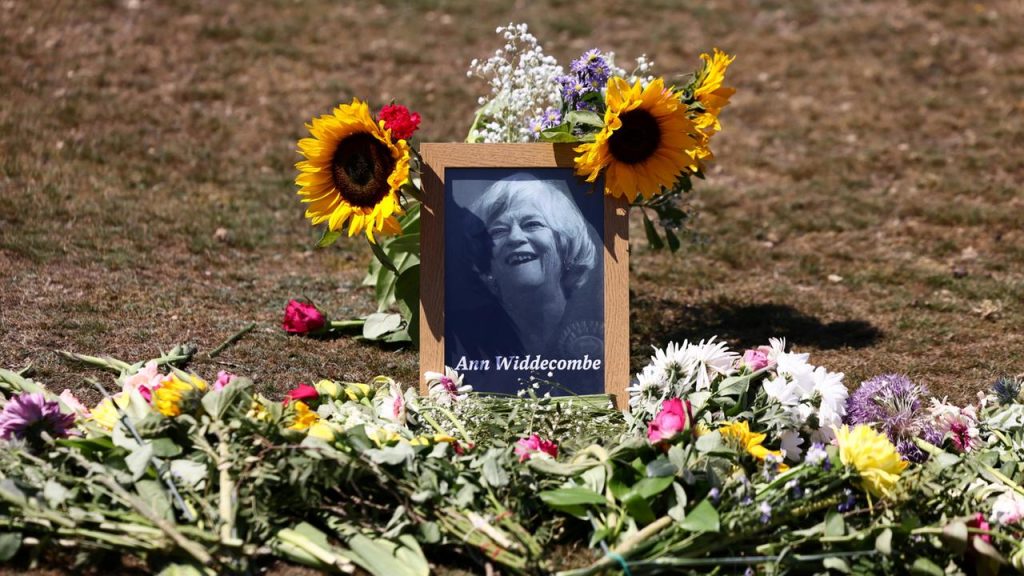
The Political Implications of Violence Against Politicians: A Case Study of Ann Widdecombe’s Murder
⏱ 2 min read
Executive Summary
The brutal murder of former politician Ann Widdecombe has raised significant concerns regarding political violence in the UK, particularly in relation to the current climate surrounding migration and asylum policies. The incident has prompted calls for a reassessment of the safety measures for politicians and has sparked a debate on the role of media narratives in shaping public perception of political parties, especially those with controversial stances on immigration.
Strategic Context
Ann Widdecombe, a prominent figure in British politics, was known for her hardline views on migration and her association with the right-wing party Reform UK. Her murder, allegedly committed by a man who traveled hundreds of miles to her home, has reignited discussions about the safety of politicians in a polarized political environment. This incident follows a troubling trend of violence against public figures, including the murder of Labour MP Jo Cox in 2016 and the stabbing of Conservative MP David Amess in 2021, both of which were linked to extremist ideologies.
Deep Analysis
The motivations behind the murder of Widdecombe remain unclear, but the political implications are profound. The Reform UK party has attributed the attack to a hostile media environment and a political narrative that vilifies their platform. This raises questions about the responsibility of media outlets in framing political discourse and the potential consequences of such narratives on the safety of politicians. The party’s claims suggest a growing concern that political rhetoric can incite violence, particularly against those who hold unpopular views on sensitive issues like immigration.
Impact on Migrants
The murder of Widdecombe may have a chilling effect on the discourse surrounding migration and asylum policies in the UK. As politicians grapple with the implications of this violence, there may be a tendency to adopt more cautious stances on immigration issues, potentially leading to stricter policies that could adversely affect migrants and refugees. Furthermore, the association of political violence with migration debates could further stigmatize immigrant communities, exacerbating social tensions and discrimination.
Outlook & Conclusion
Looking ahead, the UK must confront the intersection of political violence and immigration discourse. Policymakers should prioritize the safety of public officials while fostering an environment where diverse political opinions can be expressed without fear of violence. This incident serves as a stark reminder of the need for a balanced approach to political debate, one that respects the rights of all individuals, including migrants, while ensuring the protection of those who represent them.
Primary Source: tagesschau.de