



The Persistent Shadow: Antisemitism in Germany Remains Alarmingly High

The Persistent Shadow: Antisemitism in Germany Remains Alarmingly High
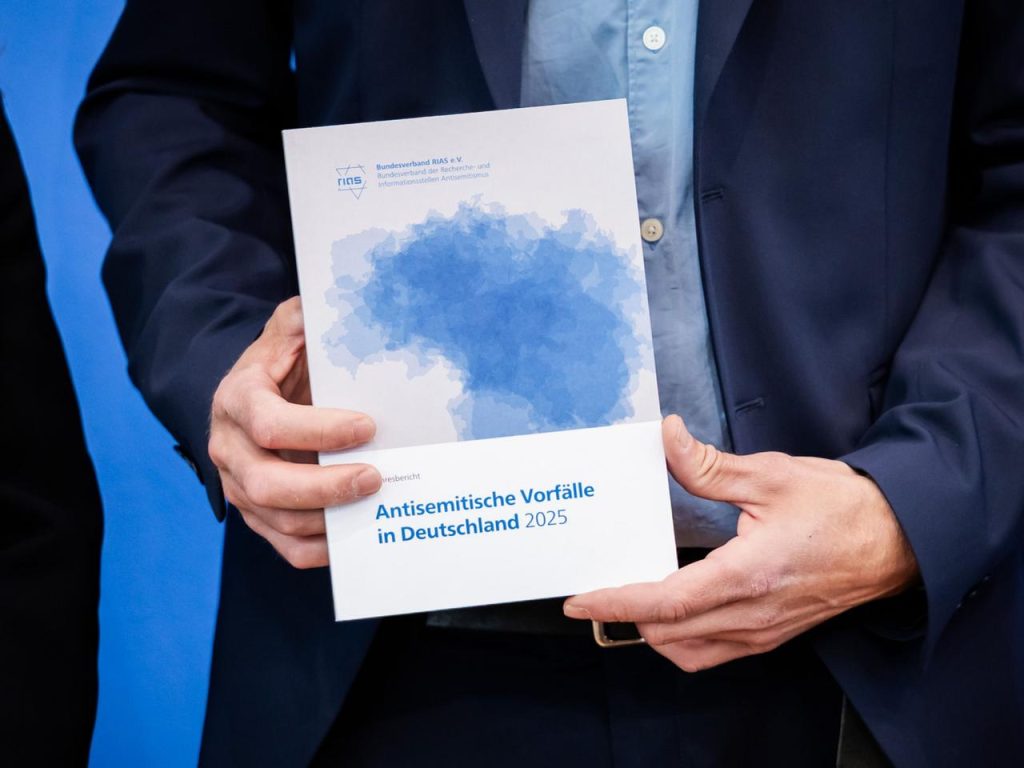
As antisemitic incidents continue to rise in Germany, the societal implications are profound and troubling. The recent RIAS report reveals a staggering number of reported cases, highlighting an urgent need for collective action against this pervasive issue. How can society confront the normalization of antisemitism and work towards a more inclusive future?
A Disturbing Trend: Rising Numbers and Escalating Violence
The RIAS report indicates that antisemitic incidents in Germany have reached an alarming level, with 8,725 cases documented in 2025. This figure mirrors the previous year, indicating a troubling stability at a high level. Among these incidents, 178 involved physical assaults, including a severe terrorist attack at the Holocaust memorial in Berlin. This escalation is not merely a statistic; it reflects a growing climate of fear and hostility that many Jews experience daily. Felix Klein, the Federal Government’s Commissioner for Jewish Life, emphasizes that antisemitism appears to be unrestrained in its growth, suggesting a dire need for societal reflection and action.
The Digital Age: Antisemitism’s New Frontier
The rise of antisemitism is not confined to physical spaces but has significantly infiltrated the digital realm. The RIAS report highlights a sharp increase in online antisemitic incidents, jumping from 1,996 in 2024 to 2,314 in 2025. This digital proliferation poses unique challenges, as antisemitic narratives spread rapidly across social media platforms. Experts like Konstantin von Notz call for stricter measures against online antisemitism, urging major platforms to take responsibility in combating hate speech. The government’s approach to digital antisemitism is crucial, as it reflects broader societal attitudes towards tolerance and inclusion.
الخلاصة: The persistent high levels of antisemitism in Germany demand a concerted response from all sectors of society. As the figures reveal an unsettling reality, it is imperative that both government and citizens take definitive steps to combat this menace. A future free from antisemitism requires not only awareness but also proactive measures to foster understanding and resilience within communities. Only through collective effort can we hope to dismantle the structures that allow antisemitism to thrive.