



The Impact of China’s Ethnic Unity Law and Recent Deportations on Uyghur Rights and Asylum Policies
This briefing paper examines the recent developments concerning Uyghur rights, particularly in light of China's newly enacted Ethnic Unity Law and the deportation of Uy...

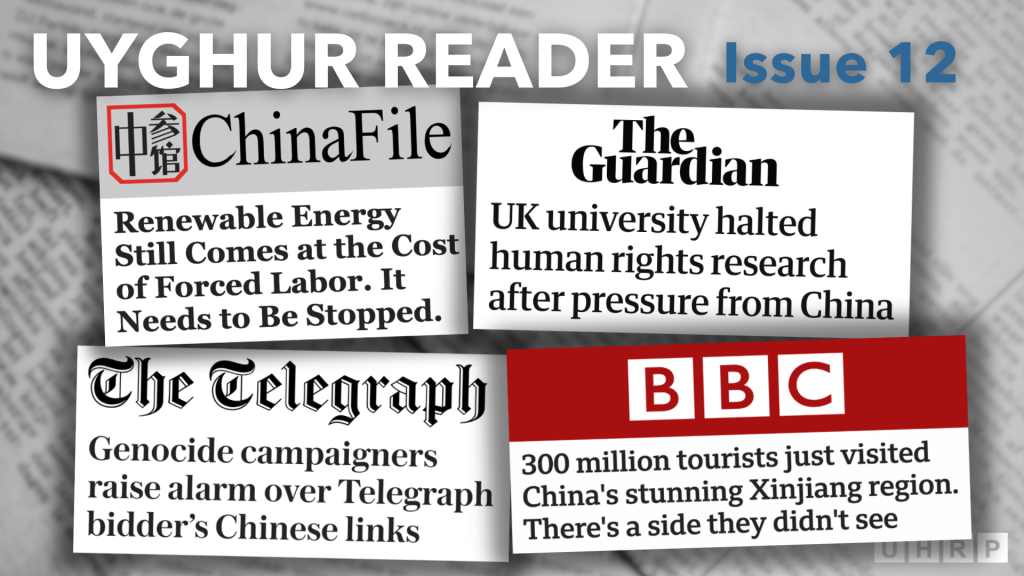
The Impact of China’s Ethnic Unity Law and Recent Deportations on Uyghur Rights and Asylum Policies
⏱ 4 min read
Executive Summary
This briefing paper examines the recent developments concerning Uyghur rights, particularly in light of China’s newly enacted Ethnic Unity Law and the deportation of Uyghur asylum seeker Arafat Adil from Germany to China. The World Uyghur Congress has raised significant concerns regarding the implications of these actions for Uyghur identity, family separation, and the international community’s response to human rights violations. The analysis highlights the urgent need for a reevaluation of asylum policies in Europe and calls for international action against China’s transnational repression.
Strategic Context
The Uyghurs, a Turkic ethnic group primarily residing in the Xinjiang Uyghur Autonomous Region of China, have faced increasing repression under the Chinese government, particularly since 2017. Reports of mass internment, forced labor, and cultural assimilation efforts have drawn international condemnation and have prompted many Uyghurs to seek asylum abroad. The recent enactment of China’s Ethnic Unity Law on July 1, 2026, aims to further consolidate the Chinese Communist Party’s control over ethnic minorities by promoting a singular national identity that subsumes distinct ethnic identities under the Party’s ideology.
The World Uyghur Congress (WUC) has been at the forefront of advocating for Uyghur rights, providing critical reports to international bodies such as the United Nations. Their recent submission to the UN Committee on the Rights of the Child highlights the systematic separation of Uyghur children from their families, a tactic employed by the Chinese state to enforce cultural assimilation. This backdrop of repression and the international community’s response, particularly in Europe, is crucial for understanding the implications of recent deportations and legislative changes affecting Uyghurs.
Deep Analysis
The Ethnic Unity Law represents a significant escalation in China’s efforts to assimilate Uyghur and other ethnic minorities into a homogenized national identity. By equating loyalty to the Chinese Communist Party with national identity, the law effectively criminalizes the preservation of Uyghur culture and identity. Article 63 of the law, which establishes extraterritorial jurisdiction, raises alarms about China’s capacity to extend its repressive measures beyond its borders, targeting Uyghurs and other dissidents living abroad. This legal framework not only threatens the rights of ethnic minorities within China but also poses a challenge to international norms regarding asylum and human rights protections.
The deportation of Arafat Adil from Germany to China underscores the risks faced by Uyghur asylum seekers in Europe. Despite appeals from human rights organizations, German authorities proceeded with the deportation, exposing Adil to potential persecution upon his return. This incident raises critical questions about the adequacy of European asylum policies in protecting individuals at risk of state-sponsored violence and repression. The WUC’s condemnation of this deportation highlights the urgent need for European countries to reassess their commitments to human rights and the protection of vulnerable populations.
Furthermore, the recent academic research introduced by Dr. Adrian Zenz on Investigative Policy Analysis (IPA) provides a new methodology for uncovering hidden state policies in authoritarian regimes. This approach can be instrumental in documenting human rights abuses against Uyghurs and other ethnic minorities in China. By employing IPA, researchers can gather evidence that may inform international responses and advocacy efforts, thereby enhancing the accountability of the Chinese government for its actions against ethnic minorities.
Impact on Migrants
The deportation of Uyghur asylum seekers like Arafat Adil has profound implications for the safety and well-being of Uyghurs in Europe. Such actions not only violate the principle of non-refoulement, which prohibits returning individuals to countries where they face serious threats to their life or freedom, but also instill fear among the Uyghur diaspora. The potential for persecution upon return may deter other Uyghurs from seeking asylum, thereby exacerbating their vulnerability and limiting their options for safety.
Moreover, the systemic separation of Uyghur children from their families, as highlighted in the WUC’s report, poses long-term risks to the cultural identity and psychological well-being of future generations. The erosion of Uyghur language and culture through state-run institutions threatens the very fabric of Uyghur identity, leading to a loss of heritage that may be irreparable. This situation calls for urgent international intervention to protect the rights of Uyghur families and ensure that their cultural identity is preserved.
Outlook & Conclusion
The developments surrounding the Ethnic Unity Law and the deportation of Uyghur asylum seekers necessitate a reevaluation of international asylum policies and a robust response from the global community. As the situation for Uyghurs continues to deteriorate, it is imperative that European nations uphold their commitments to human rights and provide adequate protections for those fleeing persecution. The international community must take meaningful action to address the systemic violations faced by Uyghurs and hold the Chinese government accountable for its repressive measures, ensuring that the rights of migrants and refugees are safeguarded.
Anchor Source: shanghaisun.com | Analyzed by AboMatrix AI Engine