



The GEAS Reform: A Paradigm Shift in European Asylum Policy
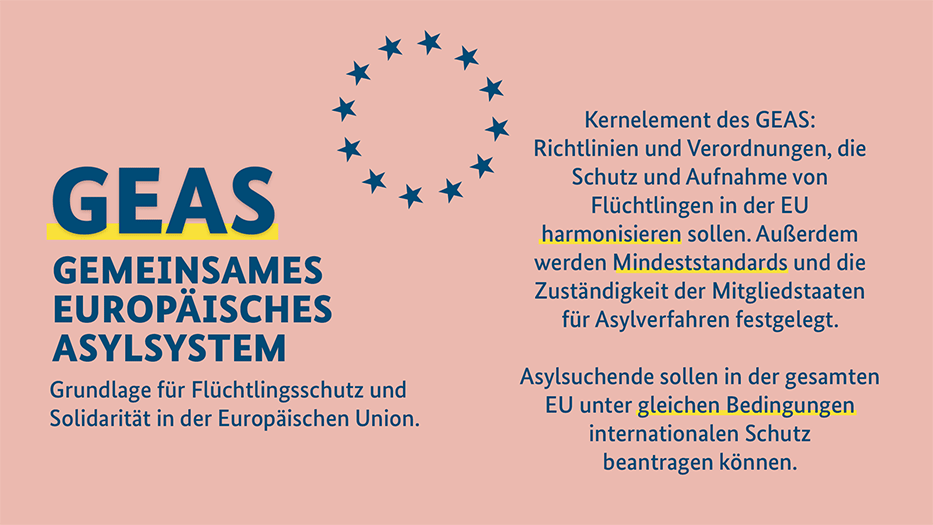
The recent implementation of the GEAS (Common European Asylum System) reform represents a significant transformation in Europe's approach to asylum and migration. While...

The GEAS Reform: A Paradigm Shift in European Asylum Policy
⏱ 4 min read
Executive Summary
The recent implementation of the GEAS (Common European Asylum System) reform represents a significant transformation in Europe’s approach to asylum and migration. While hailed by some political figures as a solution to the migration crisis, it has drawn sharp criticism from human rights organizations for its potential to undermine individual rights and facilitate a culture of deterrence. This briefing paper examines the historical context, political motivations, and implications of the GEAS reform, highlighting its impact on migrants and the broader European asylum landscape.
Strategic Context
The GEAS reform comes after a decade of contentious negotiations among EU member states regarding the management of asylum seekers and migration flows. The reform is framed as a response to the perceived ‘migration problem’ in Europe, particularly in light of the increasing number of asylum seekers arriving at EU borders. Proponents argue that it will streamline the asylum process and alleviate pressure on frontline states like Greece and Italy. However, critics contend that it marks a shift towards a more restrictive and punitive asylum system, prioritizing border control over humanitarian considerations.
Deep Analysis
The GEAS reform introduces several measures aimed at expediting the asylum process, including the establishment of centers for accelerated asylum procedures at EU external borders. These centers are designed to facilitate the swift return of individuals from countries deemed to have low asylum success rates. Critics argue that this approach effectively circumvents the individual assessment of asylum claims, which is a cornerstone of international refugee law. Furthermore, the reform’s emphasis on deterrence raises concerns about the potential violation of human rights, as it may lead to increased pushbacks and the systematic rejection of asylum seekers at the borders.
In addition to the GEAS reform, Germany has proposed even stricter measures, such as the establishment of ‘secondary migration centers’ where asylum seekers would be detained pending their return to the EU country of first entry. This move has been criticized for undermining the intended relief for border states and could exacerbate tensions within the EU regarding the distribution of asylum seekers. The introduction of ‘Return Hubs’ in third countries further illustrates the EU’s shift towards externalizing its border management, aiming to make Europe a less attractive destination for asylum seekers.
Human rights organizations have raised alarms about the implications of these reforms for vulnerable populations. The proposed assessments of individuals’ protection needs are to be conducted by security authorities, which raises concerns about conflicts of interest. Critics fear that this could lead to biased decisions favoring deportations over the protection of those in need. The broader political context reveals a coalition of right-wing and conservative forces across Europe that have successfully pushed for these restrictive measures, reflecting a growing consensus against asylum seekers and a normalization of anti-immigrant sentiment.
Impact on Migrants
The GEAS reform and its accompanying measures are likely to have profound legal and social consequences for migrants and refugees. The establishment of accelerated asylum centers and secondary migration centers could result in prolonged detention and limited access to legal support, undermining the ability of individuals to effectively navigate the asylum process. This environment of uncertainty and fear may deter many from seeking asylum altogether, effectively closing off pathways to protection for those fleeing persecution.
Moreover, the shift towards a more punitive asylum system could exacerbate the marginalization of already vulnerable groups, such as political dissidents, ethnic minorities, and individuals with mental health issues. The lack of adequate legal representation and support services, compounded by budget cuts to civil society organizations, further diminishes the prospects for migrants to assert their rights and access necessary resources. As a result, the GEAS reform may not only hinder the ability of individuals to secure asylum but also contribute to a broader climate of fear and exclusion within European societies.
Outlook & Conclusion
Looking ahead, the implementation of the GEAS reform signals a troubling trend in European asylum policy, characterized by a prioritization of border control over humanitarian obligations. As member states continue to grapple with the implications of these changes, it is crucial for civil society, legal advocates, and policymakers to remain vigilant in defending the rights of migrants and refugees. The future of asylum in Europe will depend on the ability to challenge these restrictive measures and advocate for a more compassionate and rights-based approach to migration.
Anchor Source: freitag.de | Analyzed by AboMatrix AI Engine