



The Fall of Immunity: Lars Haise and the Legal Reckoning of AfD Politicians

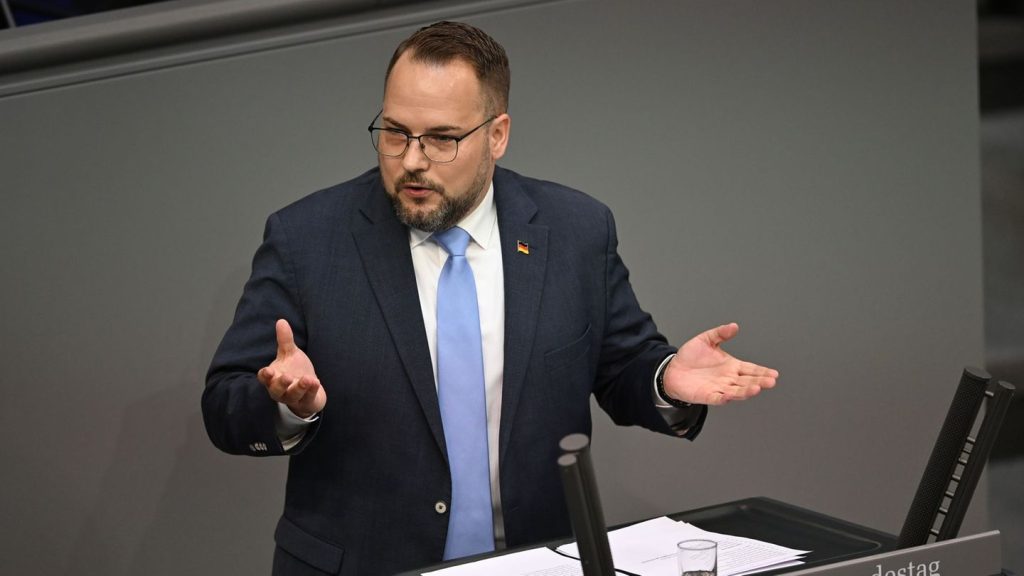
The Fall of Immunity: Lars Haise and the Legal Reckoning of AfD Politicians
In a political landscape already fraught with tensions, the recent decision by the Bundestag to lift the immunity of Lars Haise, a member of the far-right Alternative for Germany (AfD) party, raises critical questions about accountability and the boundaries of political protection. As allegations of copyright infringement surface, the implications of this legal action stretch far beyond Haise himself, potentially heralding a new chapter in the scrutiny of extremist political figures in Germany.
The Legal Storm: Understanding the Charges Against Lars Haise
The Stuttgart public prosecutor’s office has initiated a criminal order against Lars Haise, citing violations of copyright law. This development is not merely a legal technicality; it underscores a broader narrative about the AfD’s relationship with legality and ethics. The party, often criticized for its radical views and inflammatory rhetoric, now faces the possibility of its members being held accountable in a court of law. This case could set a precedent, challenging the notion that political immunity shields representatives from the consequences of their actions, particularly when those actions involve alleged breaches of intellectual property rights.
Political Immunity: A Double-Edged Sword
The lifting of immunity for Haise is a significant moment in German politics, especially for the AfD, which has often leveraged its parliamentary privileges to evade scrutiny. This move by the Bundestag may signal a shift towards greater accountability, reflecting a growing discontent among the electorate regarding the actions of their representatives. However, it also raises concerns about the potential for political motivations behind legal actions. Critics might argue that this could lead to the weaponization of the legal system against political adversaries, blurring the lines between legitimate legal proceedings and political vendettas. The implications for democracy and the rule of law are profound, as the balance between protecting political discourse and ensuring accountability is tested.
الخلاصة: The case of Lars Haise serves as a litmus test for the future of political accountability in Germany. As the Bundestag takes a stand against potential abuses of power, it simultaneously opens up a Pandora’s box of questions regarding the integrity of political immunity. Will this lead to a more transparent political environment, or will it devolve into a battleground for political retribution? Only time will reveal the true impact of this pivotal moment in German politics.