



The Dark Side of the 2026 World Cup: AI-Generated Fakes and Fraudulent Ticket Shops

The Dark Side of the 2026 World Cup: AI-Generated Fakes and Fraudulent Ticket Shops
As the excitement builds for the 2026 FIFA World Cup, a troubling shadow looms over the event: the proliferation of fake content and fraudulent ticket sales. Social media is rife with manipulated images and deceptive ticket shops, creating a minefield for fans eager to engage with the tournament. This article explores the implications of these fakes, their origins, and the societal impact they may have on the World Cup experience.
The Rise of AI-Generated Misinformation
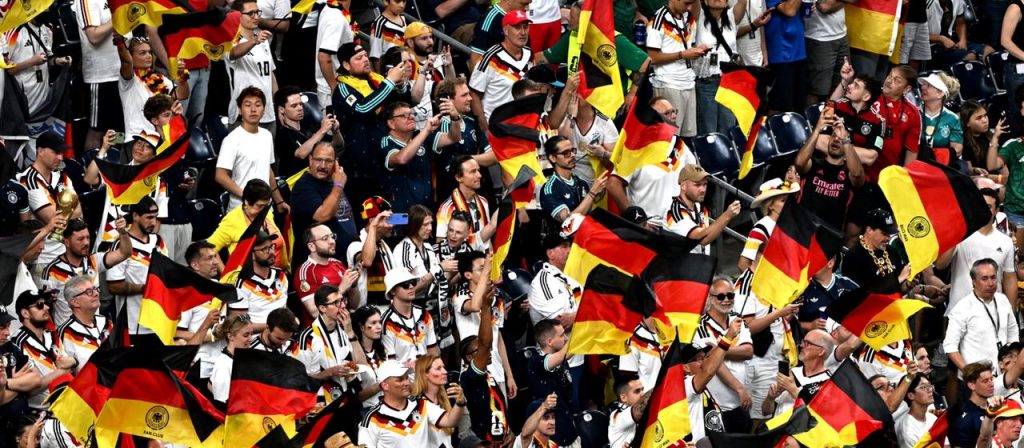
Recent events have highlighted the alarming use of AI technology in the creation of misleading content. A notable example is the viral image of a German fan resembling Adolf Hitler, which was manipulated using AI tools. This image, which gained over 4.9 million views on social media, sparked outrage and confusion. Investigations revealed that the original footage showed a completely different individual, further emphasizing the dangers of AI-generated fakes. The implications are profound, as such misinformation can shape public perception and fuel divisive narratives during a global event like the World Cup.
Sexism and Stereotypes in Viral Fakes
Alongside political misinformation, the World Cup has also seen an uptick in sexist AI-generated images. These fakes often depict women in exaggerated and objectified manners, reinforcing harmful stereotypes. For instance, manipulated images of female fans have circulated, showing them in sexually suggestive poses that never occurred during the actual matches. This not only distorts the reality of the event but also contributes to a culture of sexism in sports. The virality of such content, reaching millions, raises critical questions about the portrayal of women in sports media and the responsibility of platforms in curbing such narratives.
The Threat of Fraudulent Ticket Sales
As fans prepare to attend matches, the risk of encountering fraudulent ticket shops has escalated. The FBI has issued warnings about fake websites that mimic official FIFA platforms, offering counterfeit tickets for sale. These scams often involve URLs that closely resemble the official site but contain subtle discrepancies. The potential financial loss for fans, coupled with the emotional distress of being scammed, underscores the need for vigilance. Fans are advised to verify URLs and avoid clicking on suspicious links, highlighting the importance of digital literacy in the age of online scams.
The Role of Disinformation Campaigns
The World Cup has also attracted attention from disinformation campaigns, particularly those linked to geopolitical tensions. Reports indicate that Russian entities have been disseminating false narratives related to the tournament, such as fabricated allegations against players. Such campaigns aim to manipulate public opinion and sow discord, leveraging the global spotlight of the World Cup. The intersection of sports and politics in this context raises concerns about the integrity of information and the potential for manipulation during significant events.
الخلاصة: The 2026 World Cup is not only a celebration of football but also a battleground for misinformation and fraud. As fans navigate this landscape, the responsibility lies with both individuals and platforms to recognize and combat these fakes. By fostering awareness and promoting critical thinking, we can protect the integrity of the World Cup experience and ensure that it remains a joyous occasion for all.