



Supreme Court Rulings Reshape U.S. Migration and Presidential Powers

Supreme Court Rulings Reshape U.S. Migration and Presidential Powers
⏱ 4 min read
Executive Summary
Recent U.S. Supreme Court rulings have reaffirmed the constitutional right to birthright citizenship while simultaneously expanding presidential powers in other areas. These decisions highlight a complex interplay between migration policy, executive authority, and judicial independence, with significant implications for migrants and the broader political landscape.
Strategic Context
The United States has long been considered a nation of immigrants, with its Constitution enshrining the principle of birthright citizenship in the 14th Amendment. This provision guarantees that individuals born on U.S. soil are automatically granted citizenship, a cornerstone of the country’s identity as a melting pot of cultures. However, this principle has faced challenges over the years, particularly from political factions seeking to restrict immigration and redefine citizenship.
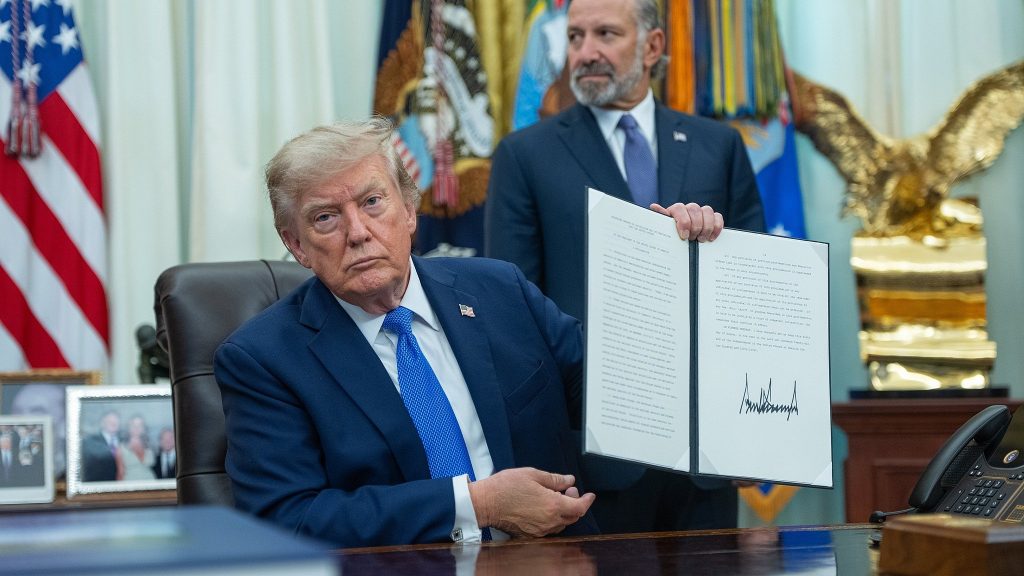
Under the administration of former President Donald Trump, migration policy became a central focus, with numerous executive orders aimed at curbing immigration and altering long-standing principles like birthright citizenship. These efforts culminated in a recent Supreme Court case, where the justices were tasked with interpreting the constitutional validity of Trump’s attempt to limit birthright citizenship through executive action. The ruling has sparked widespread debate about the balance of power among the executive, legislative, and judicial branches, as well as the broader implications for migrants and refugees in the United States.
In-Depth Analysis
Judicial Reaffirmation of Birthright Citizenship: The Supreme Court’s decision to uphold birthright citizenship, as guaranteed by the 14th Amendment, was a significant setback for efforts to restrict this right. The ruling, which passed with a 6-3 majority, underscores the enduring strength of constitutional protections for individuals born in the United States. However, the split decision also reveals a growing ideological divide within the Court, raising concerns about its impartiality and long-term credibility.
Expansion of Presidential Powers: While the Court rejected Trump’s attempt to undermine birthright citizenship, it has simultaneously expanded presidential authority in other areas. For instance, rulings allowing the president to dismiss personnel in independent federal agencies and withhold congressionally approved funds have significantly broadened executive power. Critics argue that these decisions erode the system of checks and balances, potentially paving the way for more unilateral actions by future presidents.
Political Implications: The rulings have far-reaching political consequences. For Trump and his supporters, the decision on birthright citizenship represents a major defeat, undermining a key pillar of their immigration agenda. However, the expansion of presidential powers offers a silver lining, enabling Trump to consolidate authority in other domains. For the broader Republican Party, these developments present a dilemma: whether to continue pursuing restrictive migration policies that may alienate moderate voters or to pivot toward issues with broader appeal.
Impact on Migrants
Legal Protections for Migrants: The reaffirmation of birthright citizenship is a significant victory for migrants and their families. It ensures that children born in the United States, regardless of their parents’ immigration status, will continue to have access to the rights and opportunities afforded to U.S. citizens. This decision provides a sense of security and stability for millions of families who might otherwise face uncertainty about their children’s legal status.
Broader Implications for Immigration Policy: Despite this legal victory, the broader political climate remains challenging for migrants. The expansion of presidential powers could lead to more restrictive immigration policies being implemented through executive action, bypassing legislative oversight. This underscores the importance of continued advocacy and vigilance to protect the rights and well-being of migrants and refugees in the United States.
Outlook & Conclusion

Prepared & Analyzed by: Migration Policy Unit | AboMatrix