



Supreme Court Decisions: A Resilient Rule of Law in America

Supreme Court Decisions: A Resilient Rule of Law in America
⏱ 3 min read
Executive Summary
Recent rulings by the U.S. Supreme Court demonstrate the resilience of America’s rule of law, even under political pressure. Key decisions on citizenship, asylum, and executive power highlight the judiciary’s commitment to constitutional principles, impacting migrants and refugees significantly.
Strategic Context
Historical Context: America’s Immigration Legacy
The United States has long been considered a nation of immigrants, with its Constitution and legal framework reflecting this identity. The 14th Amendment, ratified in 1868, guarantees citizenship to individuals born on U.S. soil, a principle rooted in the country’s commitment to inclusivity and equality.
However, immigration policy has often been a contentious issue, particularly under administrations seeking to tighten borders or redefine citizenship. Former President Donald Trump’s tenure was marked by efforts to reshape immigration laws, including proposals to deny citizenship to children born to undocumented immigrants or tourists. These initiatives sparked widespread debate over the balance between national sovereignty and human rights.
In-Depth Analysis
Judicial Independence Amid Political Pressure
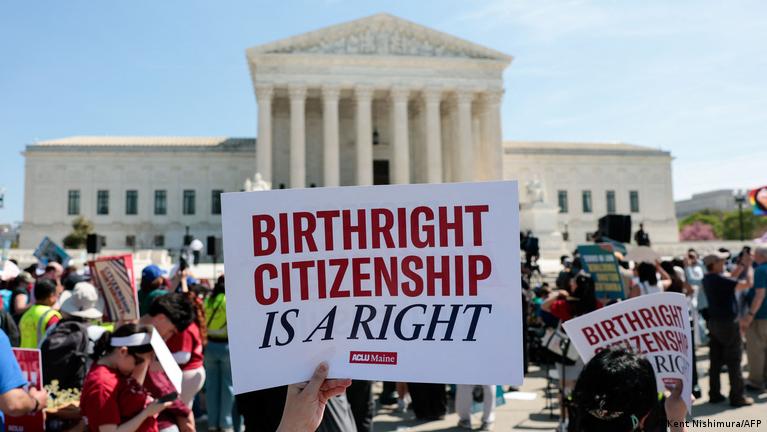
The Supreme Court’s recent decision to uphold birthright citizenship underscores its adherence to constitutional text and principles. Despite a conservative majority, the Court rejected attempts to reinterpret the 14th Amendment, reaffirming that individuals born in the U.S. are citizens, regardless of their parents’ immigration status. This decision is a significant setback for restrictive immigration policies and a victory for constitutional integrity.
Conversely, the Court permitted measures allowing asylum seekers to be turned away at the border and ending temporary protected status for certain groups. These rulings reflect the judiciary’s nuanced approach, balancing executive authority with legal precedent. While these decisions align with conservative views on immigration control, they also highlight the complexity of migration policy in a polarized political landscape.
Additionally, the Court’s rulings on executive power reveal its commitment to checks and balances. By limiting presidential influence over certain institutions while upholding others, the judiciary reinforces the importance of legislative action in shaping policy. This dynamic interplay between branches of government is crucial for maintaining democratic governance.
Impact on Migrants
Legal and Social Implications for Migrants
The affirmation of birthright citizenship provides stability and security for children born in the U.S., ensuring their access to education, healthcare, and legal protections. This decision reinforces America’s identity as a nation of immigrants and offers hope to families seeking a better future.
However, the rulings on asylum and temporary protected status pose challenges for vulnerable populations. Migrants fleeing conflict or persecution may face increased barriers at the border, while those relying on temporary protections may experience uncertainty and risk. These policies underscore the need for comprehensive immigration reform that balances humanitarian concerns with national interests.
Outlook & Conclusion
Future Outlook: Navigating a Divided Landscape
The Supreme Court’s decisions highlight the resilience of America’s rule of law but also reveal the complexities of migration policy in a polarized era. As debates over immigration continue, the judiciary’s role in upholding constitutional principles will remain pivotal. For migrants and refugees, these rulings offer both hope and challenges, underscoring the need for empathetic and inclusive policymaking.

Prepared & Analyzed by: Migration Policy Unit | AboMatrix