



Strategic Review of Tier-2 Policies in EU Council: Challenges and Opportunities

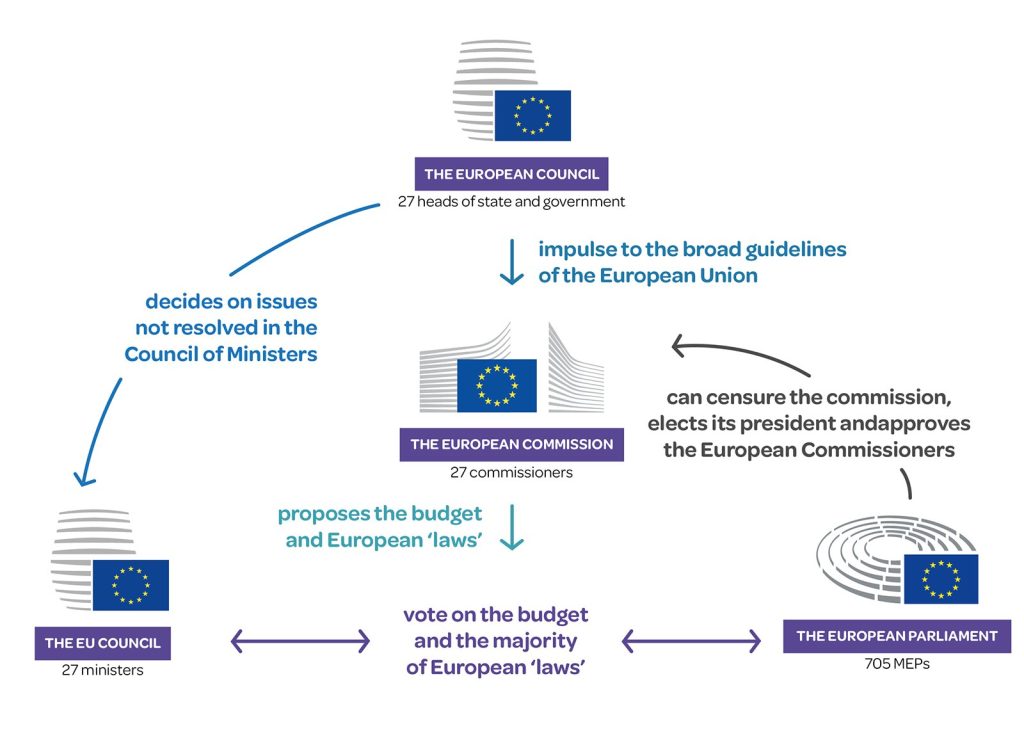
Strategic Review of Tier-2 Policies in EU Council: Challenges and Opportunities
???? Executive Summary & Strategic Diagnosis
This paper analyzes the Tier-2 policy mechanisms within the EU Council, focusing on critical issues such as migration management, collective security, and European unification in the face of global challenges. Findings indicate that national divergences among member states often disrupt cohesive policy development at this level. Stricter governance mechanisms and legal alignment are essential to ensure both institutional effectiveness and treaty compliance amidst emerging political frictions.
???? Context & Structural Challenges
The Tier-2 framework within the EU Council deals with intricate policies requiring high-level agreement among member states. However, transparency shortcomings and political fragmentation often undermine public trust in European institutions. Key areas of focus include migration flows, border control strategies, and collective security frameworks. Policy progression suffers due to member state disagreements, revealing the need for enhanced coordination and prioritization mechanisms to streamline critical policy initiatives.
???? Strategic Policy Recommendations
- ???? Intensify intra-EU dialogue to bridge national interest disparities.
- ???? Implement greater transparency in Tier-2 decision-making processes for public engagement.
- ???? Adopt a unified roadmap for migration and border controls consistent with EU treaties.
???? Geopolitical Dimensions & Regional Impact
Tier-2 policies significantly impact the EU’s geopolitical positioning, influencing security alliances, dealings with neighboring regions like Africa and the Middle East, and the response to global migration trends. These policy decisions also reflect the EU’s ability to manage internal divisions while projecting external stability and commitment to treaty obligations.
⚖️ Legal & Institutional Framework
Tier-2 policies operate under the EU’s legal framework, particularly the EU Treaties and international accords such as the Geneva Convention. Ensuring treaty compliance amidst national policy frictions is critical to maintaining institutional legitimacy and fostering legal coherence within the Union.