



Stability and Cooperation: Reducing Migration from North Africa

Stability and Cooperation: Reducing Migration from North Africa
⏱ 3 min read
Executive Summary
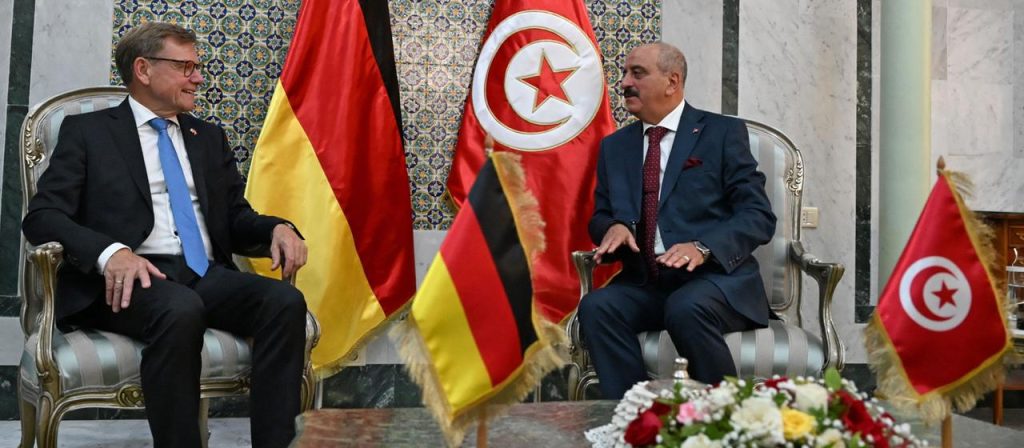
German Foreign Minister Johann Wadephul’s recent visits to Tunisia and Algeria signal a strategic pivot in European migration policy. By emphasizing economic and security cooperation, Wadephul aims to address root causes of migration while navigating complex human rights concerns and fostering sustainable partnerships in energy and development.
Strategic Context
Geopolitical Background: North Africa’s Role in Migration
North Africa has long been a critical juncture in migration flows toward Europe. Countries like Tunisia and Algeria serve as both transit and origin points for migrants seeking better opportunities across the Mediterranean. The region’s socio-economic instability, compounded by climate change and governance challenges, has fueled these movements.
Historically, European nations have sought to mitigate migration through bilateral agreements, development aid, and security partnerships. However, these efforts have often been criticized for prioritizing border control over addressing systemic issues such as poverty, unemployment, and political repression. Wadephul’s visits reflect a renewed attempt to balance these priorities.
In-Depth Analysis
Policy Motivations: Economic and Security Synergies
Wadephul’s approach underscores the interconnectedness of economic stability and migration reduction. Tunisia, Germany’s third-largest export market in the region, is vital for supply chain resilience, particularly in the automotive sector. By fostering economic cooperation, Germany aims to create local opportunities that deter migration.
Security concerns also dominate the agenda. Wadephul highlights the Sahel region’s instability, driven by terrorism and Islamist extremism, as a key migration driver. Strengthening security partnerships with Tunisia and Algeria is seen as essential to curbing these threats and stabilizing migration flows.
Energy cooperation with Algeria adds another layer to the policy calculus. As Europe seeks alternatives to Russian energy, Algeria’s potential in renewable hydrogen production positions it as a strategic partner. This economic interdependence could reinforce broader migration agreements.
Impact on Migrants
Legal and Human Implications
The EU-Tunisia migration agreement, cited by Wadephul, has reportedly reduced irregular migration significantly. However, allegations of human rights violations, including violent pushbacks and abandonment of migrants in desert regions, raise ethical concerns. These practices undermine the EU’s commitment to human dignity and international law.
For migrants, the focus on border control often translates into heightened vulnerability. While economic and security partnerships aim to address root causes, the immediate impact on individuals remains fraught with risks, including exploitation by traffickers and limited access to asylum protections.
Outlook & Conclusion
Future Outlook: Balancing Stability and Rights
Wadephul’s visits highlight the delicate balance between pragmatic cooperation and ethical responsibility. As Germany deepens ties with Tunisia and Algeria, it must ensure that migration policies align with human rights standards. Long-term success will depend on fostering inclusive development and transparent governance in North Africa.

Prepared & Analyzed by: Migration Policy Unit | AboMatrix