



SPD’s Internal Struggles: Bärbel Bas’ Resignation Sparks Coalition Debate

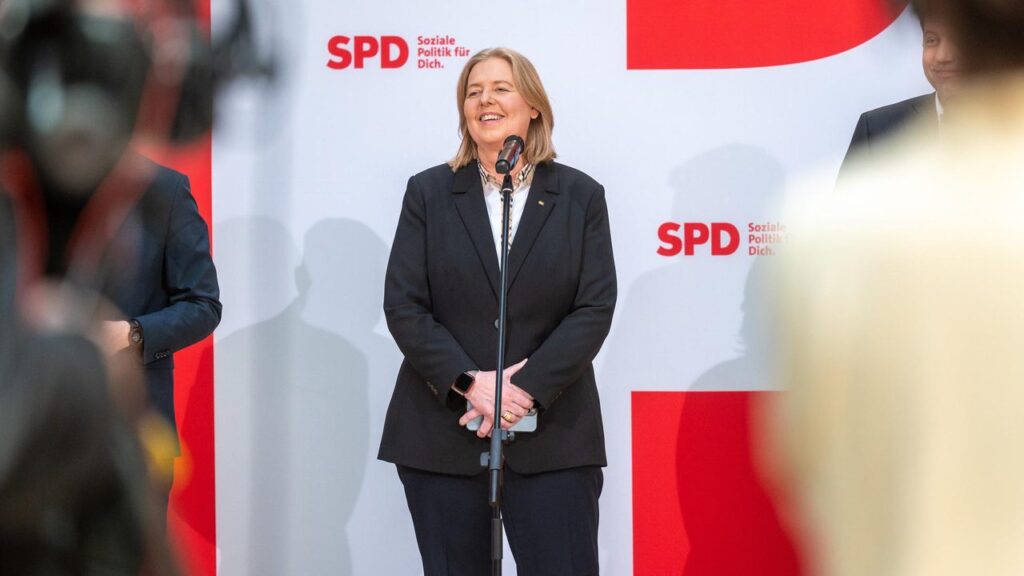
SPD’s Internal Struggles: Bärbel Bas’ Resignation Sparks Coalition Debate
SPD’s Internal Struggles: Bärbel Bas’ Resignation Sparks Coalition Debate
???? The Official Illusion:
Bärbel Bas, SPD Arbeitsministerin und Parteichefin, has stepped down from all official roles, citing personal reasons including public and political attacks, particularly from coalition partners within the Union. Manuela Schwesig of Mecklenburg-Western Pomerania condemned such attacks as ‘inhumane,’ reflecting concerns over internal tensions within the SPD-led coalition government.
???? The Parallel Truth:
The resignation of Bärbel Bas highlights significant fractures within Germany’s ruling coalition, specifically between the SPD and CDU/CSU bloc. Bas’ exit is emblematic of deeper political volatility, arising from strained relationships and criticism across party lines. Such public condemnations, particularly from SPD figures like Manuela Schwesig, signal a growing dissatisfaction within the SPD with their handling and interaction within the coalition framework. These tensions come at a time when the SPD is grappling with declining voter confidence following policy disputes and economic challenges, including unresolved debates on taxation and welfare reforms.
The SPD’s internal cohesion is further tested as the party prepares for leadership restructuring. Alexander Schweitzer, set to succeed Bas, will inherit a complex portfolio weighted by economic uncertainty, labor reforms, and restoring public confidence. CDU/CSU demands for expedited implementation of pension reforms under Schweitzer’s leadership also underline the heightened pressure on his tenure. Such heightened scrutiny risks limiting Schweitzer’s ability to navigate independently, potentially tethering SPD’s strategies to the Union’s political agenda.
Moreover, this resignation disrupts public perception of stability at a time when German citizens face economic anxiety, amplified by post-pandemic energy policies and debates over EU budget allocations. The SPD must manage sustained optics of solidarity, or risk eroding credibility further while emboldening opposition parties, especially the AfD, who tactically exploit coalition weaknesses in their rhetoric.
⚖️ Shadow Map (Winners & Losers):
- ????/???? Winners: CDU/CSU, as SPD’s internal discord weakens their coalition leverage.
- ????/???? Losers: SPD leadership, whose public image suffers amid perceptions of instability and internal conflict.
- ????/???? Losers: German citizens, facing governance challenges from coalition gridlock and leadership transitions.