



Spain’s Migration Reform: A Path to Integration and Opportunity

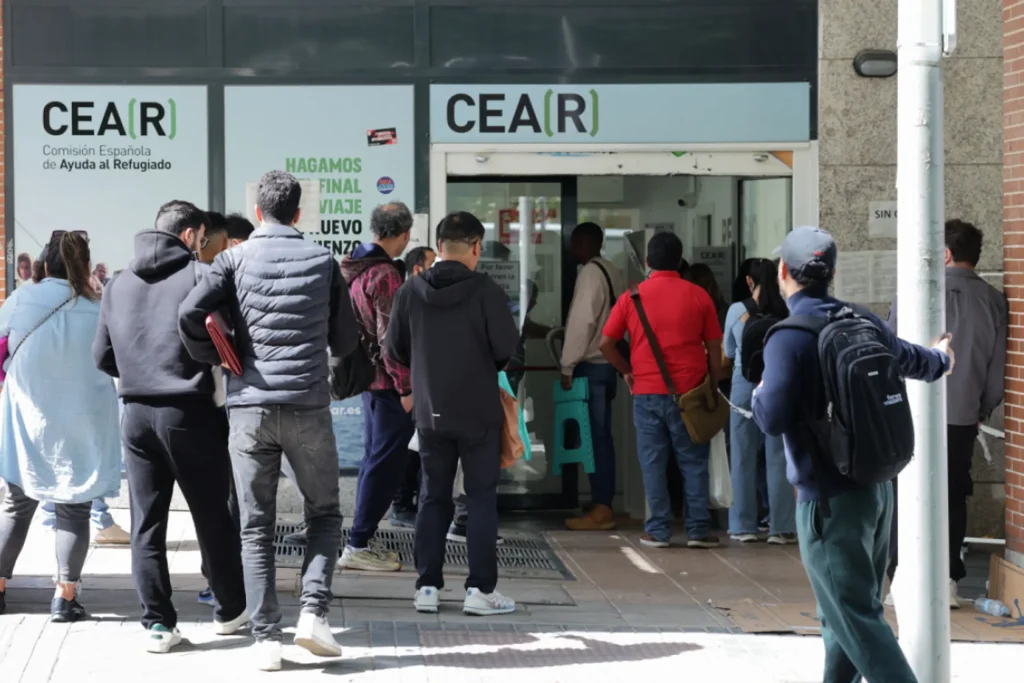
Spain’s Migration Reform: A Path to Integration and Opportunity
⏱ 3 min read
Executive Summary
Spain has implemented a groundbreaking migration regularization program, allowing nearly 1.2 million migrants to apply for temporary residence and work permits. This policy, aimed at integrating undocumented migrants into the formal economy, reflects a progressive approach amidst tightening migration policies across Europe.
Strategic Context
Historical Context: Spain’s Migration Landscape
Spain has long been a key destination for migrants due to its geographical proximity to Africa and historical ties with Latin America. Over the past decades, migration patterns have shifted, with increasing numbers arriving from Latin America, Africa, and other regions seeking economic opportunities and safety.
In recent years, Spain has faced challenges balancing economic needs with social integration. Unlike many EU nations that have adopted restrictive migration policies, Spain’s left-leaning government under Pedro Sánchez has pursued a more inclusive approach, emphasizing the economic and social benefits of migration.
In-Depth Analysis
Policy Motivations: Economic and Social Integration
The regularization program reflects Spain’s pragmatic approach to migration. By granting temporary residence and work permits to undocumented migrants who meet specific criteria, the government aims to integrate them into the formal economy, addressing labor shortages and boosting economic productivity.
Prime Minister Sánchez has framed this policy as a ‘good decision for our economy,’ highlighting its potential to reduce informal labor practices and enhance tax revenues. This aligns with Spain’s broader economic strategy to recover from pandemic-related disruptions and strengthen its workforce.
However, the policy has sparked political controversy. While progressive voices and business leaders support the initiative, conservative and far-right parties argue it could incentivize illegal migration. This ideological divide underscores the broader European debate on migration management.
Impact on Migrants
Legal and Social Implications for Migrants
For migrants, this policy offers a vital opportunity to transition from precarious, undocumented status to legal residence with work authorization. Applicants who can prove five months of residence and a clean legal record by December 2025 are eligible, providing a clear pathway to stability.
Beyond legal benefits, the program fosters social inclusion. By integrating migrants into the formal labor market, it reduces exploitation and marginalization, enabling them to contribute meaningfully to society. However, challenges remain, including navigating bureaucratic processes and overcoming societal prejudices.
Outlook & Conclusion
Spain’s regularization program marks a significant step toward inclusive migration policies, setting an example for other nations grappling with similar challenges. While the road to integration is complex, this initiative demonstrates the potential for migration to drive economic growth and social cohesion. The coming months will reveal its effectiveness and broader implications for Europe’s migration landscape.

Prepared & Analyzed by: Migration Policy Unit | AboMatrix