



Russia’s Mobilisation Plans: Implications for Migration Policy

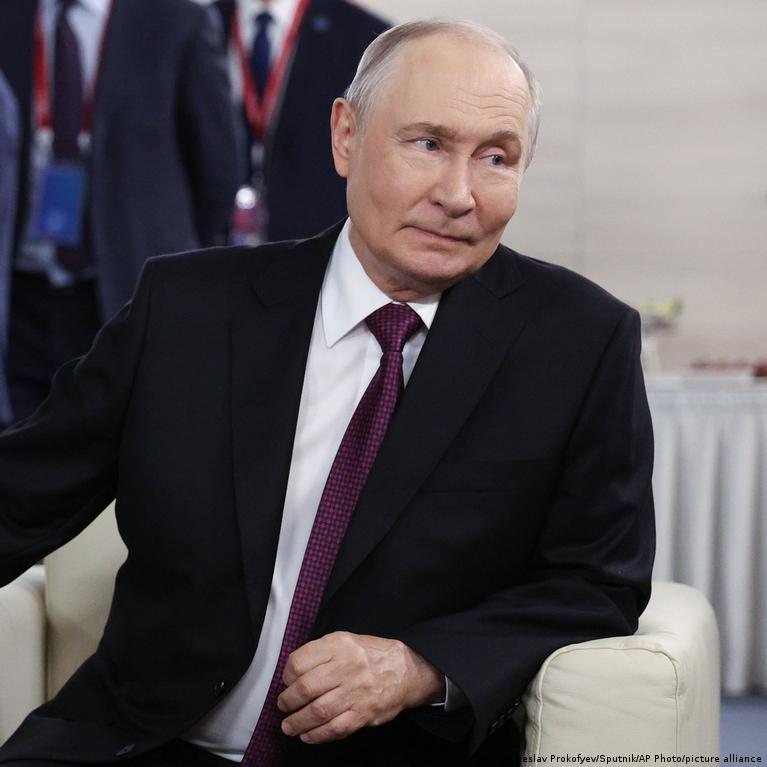
Russia’s Mobilisation Plans: Implications for Migration Policy
⏱ 3 min read
Executive Summary
As Russia faces potential post-election mobilisation, analysts warn of significant geopolitical and social repercussions. This policy shift could trigger a wave of emigration, reshaping migration dynamics and posing challenges for neighboring countries and global refugee frameworks.
Strategic Context
Historical Context: Russia’s Mobilisation Patterns
Russia’s history of military mobilisation has often been intertwined with its geopolitical ambitions. From the annexation of Crimea in 2014 to the ongoing conflict in Ukraine, mobilisation has been a tool for consolidating power and projecting strength. However, these actions have frequently led to domestic unrest and international condemnation.
In the current scenario, rumours of a new mobilisation following the 2026 State Duma elections have sparked widespread concern. The Kremlin’s denial of these plans contrasts sharply with independent reports suggesting extensive preparations. This potential mobilisation is seen as a response to declining recruitment rates and mounting losses on the battlefield.
In-Depth Analysis
Motivations Behind the Policy Shift
The Kremlin’s alleged mobilisation plans are driven by strategic and operational needs. With an estimated 450,000 dead and 1.4 million wounded, Russia’s military faces a critical manpower shortage. Analysts argue that mobilisation is essential to sustain its slow and costly advances in Ukraine.
Economic factors also play a role. The war has drained Russia’s budget, with attacks on infrastructure like refineries and warehouses exacerbating financial pressures. Mobilisation could be a desperate attempt to stabilize the situation, albeit at significant social and political costs.
Finally, the timing of the mobilisation—post-election—suggests a calculated move to minimize political backlash. By delaying the announcement, the Kremlin aims to avoid undermining its electoral legitimacy while preparing for the inevitable challenges of mass conscription.
Impact on Migrants
Legal and Social Implications for Migrants
Potential mobilisation could lead to a surge in emigration from Russia, as citizens seek to avoid conscription. This would strain neighboring countries’ asylum systems and complicate international migration policies. Nations like Georgia, Kazakhstan, and the EU may face increased pressure to accommodate Russian refugees.
Socially, the migration wave could alter demographic landscapes, creating integration challenges and potential xenophobic tensions. For migrants, navigating visa requirements and asylum procedures will become increasingly critical, highlighting the need for clear and accessible legal frameworks.
Outlook & Conclusion
As Russia teeters on the brink of a new mobilisation, the global community must prepare for its ripple effects. Proactive measures to support migrants and refugees will be essential, alongside diplomatic efforts to address the root causes of the conflict. The coming months will test the resilience of international migration systems and the resolve of nations to uphold humanitarian principles.

Prepared & Analyzed by: Migration Policy Unit | AboMatrix