



Rural Public Transport Cuts Leave Villagers Stranded

Rural Public Transport Cuts Leave Villagers Stranded
Budget constraints are forcing many rural areas to drastically reduce public transport services, leaving residents with limited or no alternatives to commute.
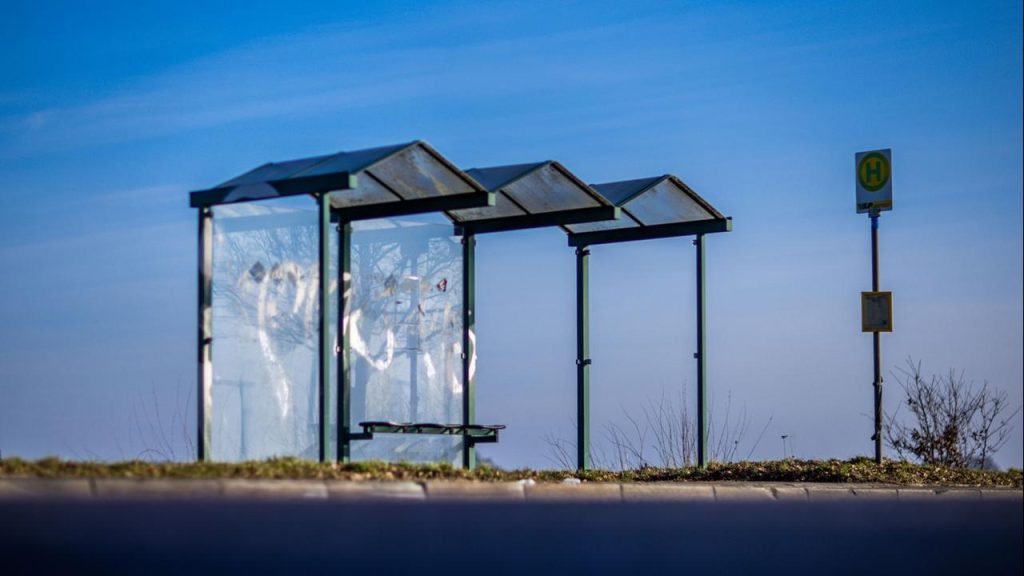
Across rural parts of Germany, budget constraints are leading municipalities to reduce public transport services, creating challenges for residents who rely on them. In Dunsdorf, a small village of 200 people, bus services have been slashed to operate only on school days and just a few times a day. Previously, buses ran several times daily. Grass grows around empty bus stops, symbolizing the isolation felt by those without other transportation options.
For many, the cuts have left them stranded. Carmen Gros, who works in Ingolstadt, now drives a car after canceling her public transport subscription, which clashes with her desire to reduce her carbon footprint. However, 80-year-old Therese Finnie and others without access to a car or the ability to make the journey on foot now feel left behind. Alternatives, like a bookable ride service, are often fully booked and difficult to use, leaving people in small communities feeling increasingly disconnected and unsupported.
Local governments cite high operational costs and low ridership as the primary reasons for slashing bus services. Officials in Eichstätt County have projected savings of €373,000 by reducing routes and schedules. This trend is not isolated, as other regions face similar dilemmas. However, transport advocates argue that consistent public transit is vital, especially in rural areas where alternatives are scarce. They urge local governments to consider long-term solutions to ensure residents are not left without essential transport access.
Edited and prepared by AboMatrix