



Rüdiger’s Strategic Praise: The Hidden Dynamics Behind Tah and Schlotterbeck’s Rise

Rüdiger’s Strategic Praise: The Hidden Dynamics Behind Tah and Schlotterbeck’s Rise
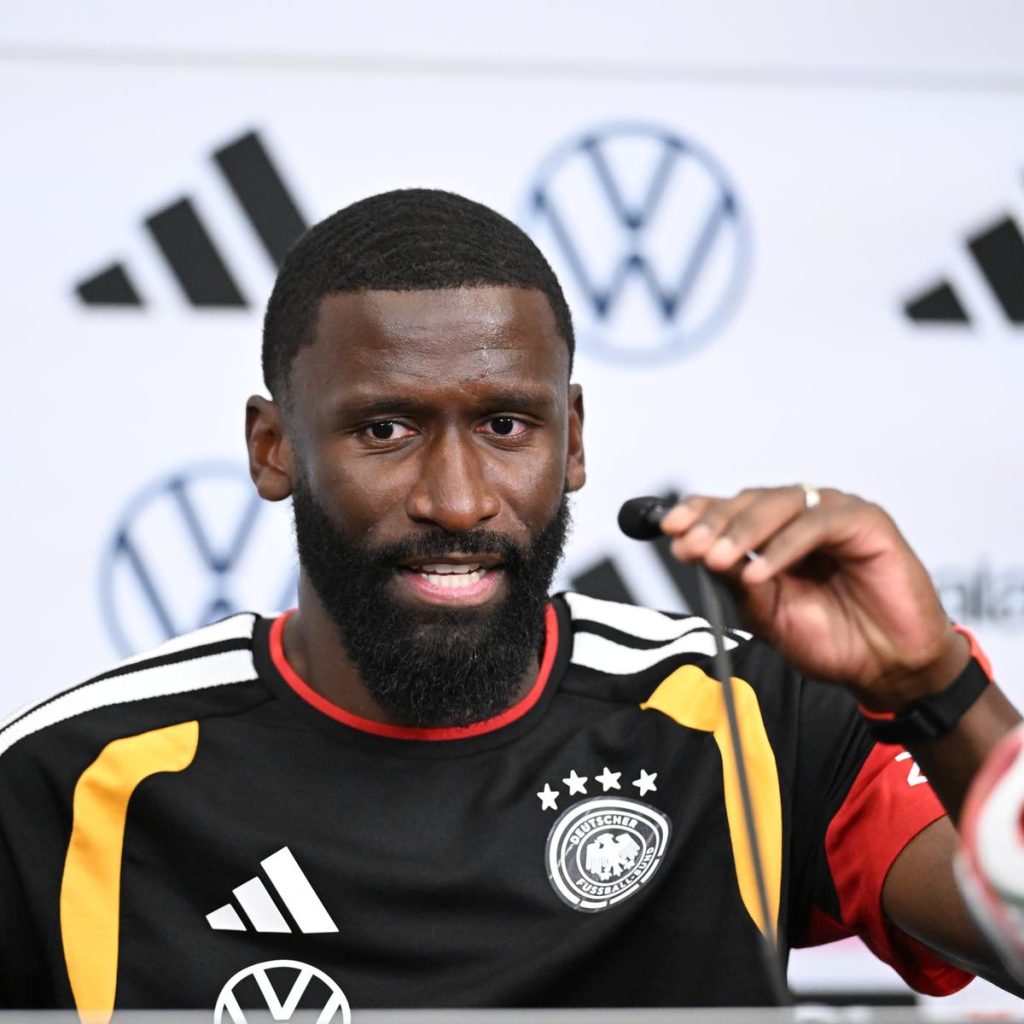
In the competitive arena of international football, the transition of roles among players often unveils deeper narratives about legacy, teamwork, and personal ambition. Antonio Rüdiger, once the stalwart of Germany’s defense, now finds himself in a supportive role, yet his recent commendations of young defenders Jonathan Tah and Nico Schlotterbeck raise questions about the motivations behind such public praise and the implications for team dynamics.
The Shift in Defensive Hierarchy
Antonio Rüdiger’s acknowledgment of Tah and Schlotterbeck as the new leaders in defense is not merely a gesture of goodwill; it reflects a significant shift in the German national team’s dynamics. Rüdiger, now 33, has transitioned from being a key player to a mentor-like figure, a role that can be both liberating and challenging. His comments about Tah’s physical prowess and Schlotterbeck’s technical skills reveal a strategic understanding of the game that goes beyond personal accolades. By publicly endorsing his successors, Rüdiger not only solidifies his position within the team hierarchy but also showcases his maturity and team spirit, essential traits in a sport often marred by ego.
Navigating Public Perception and Personal Identity
Rüdiger’s candid remarks about being a ‘social media scapegoat’ highlight the complexities of modern athlete identity. In a world where public opinion can shift rapidly, his ability to maintain composure while facing criticism speaks volumes about his character. His statement that ‘sometimes bad press is good press’ suggests a calculated acceptance of his role in the media landscape, where controversy often breeds visibility. This duality of being both a celebrated player and a target for online vitriol complicates his public persona. Yet, by focusing on the positive attributes of his teammates, Rüdiger cleverly redirects the narrative, positioning himself as a supportive veteran rather than a resentful competitor.
الخلاصة: Rüdiger’s praise for Tah and Schlotterbeck transcends mere admiration; it is a strategic maneuver that underscores the importance of unity and resilience within the team. As he navigates his own evolving role, Rüdiger exemplifies the delicate balance between personal ambition and collective success, reminding us that in football, as in life, the true measure of greatness often lies in how we uplift those around us.