



Rising Influence of AfD in Saxony-Anhalt Sparks Political and Social Concerns

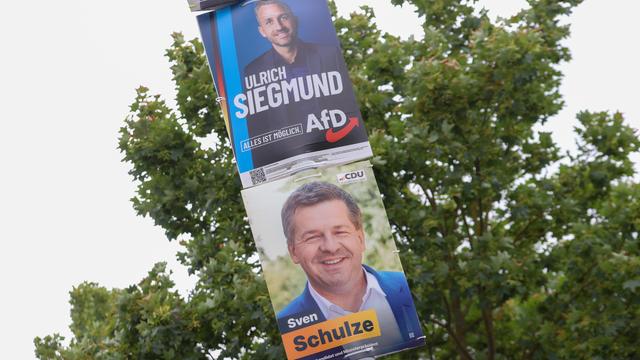
Rising Influence of AfD in Saxony-Anhalt Sparks Political and Social Concerns
Rising Influence of AfD in Saxony-Anhalt Sparks Political and Social Concerns
???? The Core Event:
Political tensions are escalating in Germany amid the rise of the AfD, particularly in Saxony-Anhalt.
???? Objective Analysis:
Germany’s political scene has become highly charged with the increasing popularity of the Alternative for Germany (AfD), especially its potential rise in Saxony-Anhalt politics. This state is rapidly emerging as a critical battleground that could define the trajectory and political maturity of this right-wing populist party.
Central to the concern is the AfD’s proposal to overhaul foundational systems such as public education, including potentially abolishing mandatory schooling. This demonstrates the ideological pivot that could disrupt Germany’s longstanding principles of public governance and societal equity. Such changes have raised fears of a potential erosion of democratic values and a shift toward divisive policies.
The broader discourse around cooperation or separation from the AfD has sharply divided Germany’s political landscape. Traditional parties could face significant challenges in maintaining their voter bases as discontent with established approaches to immigration and economic disparity grows. The adherence to democratic foundations is paramount, and the rise of populism brings this to the forefront of public debate.
⚖️ Public & Societal Impact:
- ???? Citizens may experience altered political priorities that could conflict with their expectations and needs.
- ???? Social cohesion risks being undermined by divisive, populist rhetoric gaining traction with portions of the electorate.
- ???? Traditional parties are under pressure to innovate and reconnect with their constituencies to counteract AfD’s growing influence.
♟️ Future Projections:
For the central government, the priority will be to devise strategies that address the root causes of discontent influencing voters to sway toward populist rhetoric. This includes tackling issues such as education reform, economic disparities, and improving social welfare systems to rebuild public trust in traditional political institutions.
On a European scale, Germany’s situation highlights larger issues in the EU, where populist movements are gaining traction in multiple member states. Coordinated efforts at the EU level could serve as a bulwark against the broader impacts of populism, ensuring that the integrity and stability of European democracy remain intact.