



Right-Wing Pressure Threatens Schools’ Democracy

Daily Monitor
September 21, 2026
Right-Wing Pressure Threatens Schools’ Democracy
Teachers in Germany face growing intimidation for educating students on the dangers of far-right ideologies.
In a troubling development, a teacher in Stendal, Saxony-Anhalt, has been reprimanded for warning students about the far-right Alternative for Germany (AfD) party. This incident is not isolated but part of a broader trend where educators across Germany are being targeted for fulfilling their democratic duty to foster critical thinking and uphold constitutional values. The case of Max Heckel, the teacher in question, underscores the increasing pressure on schools as right-wing ideologies gain traction in society.
Heckel’s reprimand followed a complaint lodged by a parent who reportedly contacted the AfD after the teacher explained why he opposed the party’s policies. According to media reports, Heckel aimed to help students understand how the AfD’s agenda could work against their own interests. However, this led to accusations of violating the principle of political neutrality, culminating in an official warning from Saxony-Anhalt’s Education Minister, Jan Riedel, of the Christian Democratic Union (CDU).
This incident is emblematic of a larger issue: the growing influence of far-right ideologies in classrooms and the subsequent backlash against educators who challenge them. Teachers have reported being defamed, intimidated, and even silenced for addressing the dangers of extremism. These actions, often framed as violations of neutrality, are seen by many as calculated attempts to stifle democratic discourse in schools.
The rise of the AfD, which polls at around 40% in some regions, has emboldened such efforts. Teachers who speak out against anti-democratic tendencies are increasingly finding themselves at the center of public and political scrutiny. This creates a chilling effect, discouraging educators from addressing critical issues for fear of personal or professional repercussions.
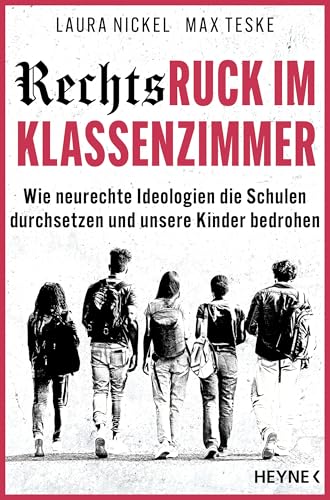
The authors of the book ‘Right-Wing Shift in the Classroom,’ published earlier this year, warned of this very scenario. They argue that schools, as bastions of democracy, must remain spaces where open dialogue and critical thinking are encouraged. If fear silences educators, the democratic fabric of society risks unraveling. As one teacher put it, ‘Democracy thrives on discussion, explanation, and defense. Schools must not become places where certain topics are avoided to sidestep controversy.’
The case of Max Heckel serves as a stark reminder of the challenges facing educators today. It highlights the urgent need for societal support to ensure that schools remain safe havens for democratic values, free from intimidation and political interference.
Heckel’s reprimand followed a complaint lodged by a parent who reportedly contacted the AfD after the teacher explained why he opposed the party’s policies. According to media reports, Heckel aimed to help students understand how the AfD’s agenda could work against their own interests. However, this led to accusations of violating the principle of political neutrality, culminating in an official warning from Saxony-Anhalt’s Education Minister, Jan Riedel, of the Christian Democratic Union (CDU).
This incident is emblematic of a larger issue: the growing influence of far-right ideologies in classrooms and the subsequent backlash against educators who challenge them. Teachers have reported being defamed, intimidated, and even silenced for addressing the dangers of extremism. These actions, often framed as violations of neutrality, are seen by many as calculated attempts to stifle democratic discourse in schools.
The rise of the AfD, which polls at around 40% in some regions, has emboldened such efforts. Teachers who speak out against anti-democratic tendencies are increasingly finding themselves at the center of public and political scrutiny. This creates a chilling effect, discouraging educators from addressing critical issues for fear of personal or professional repercussions.
The authors of the book ‘Right-Wing Shift in the Classroom,’ published earlier this year, warned of this very scenario. They argue that schools, as bastions of democracy, must remain spaces where open dialogue and critical thinking are encouraged. If fear silences educators, the democratic fabric of society risks unraveling. As one teacher put it, ‘Democracy thrives on discussion, explanation, and defense. Schools must not become places where certain topics are avoided to sidestep controversy.’
The case of Max Heckel serves as a stark reminder of the challenges facing educators today. It highlights the urgent need for societal support to ensure that schools remain safe havens for democratic values, free from intimidation and political interference.
Drafted & Edited by Investigative Desk | AboMatrix