



Rail Baltica Faces Delays Amid Strategic NATO Concerns

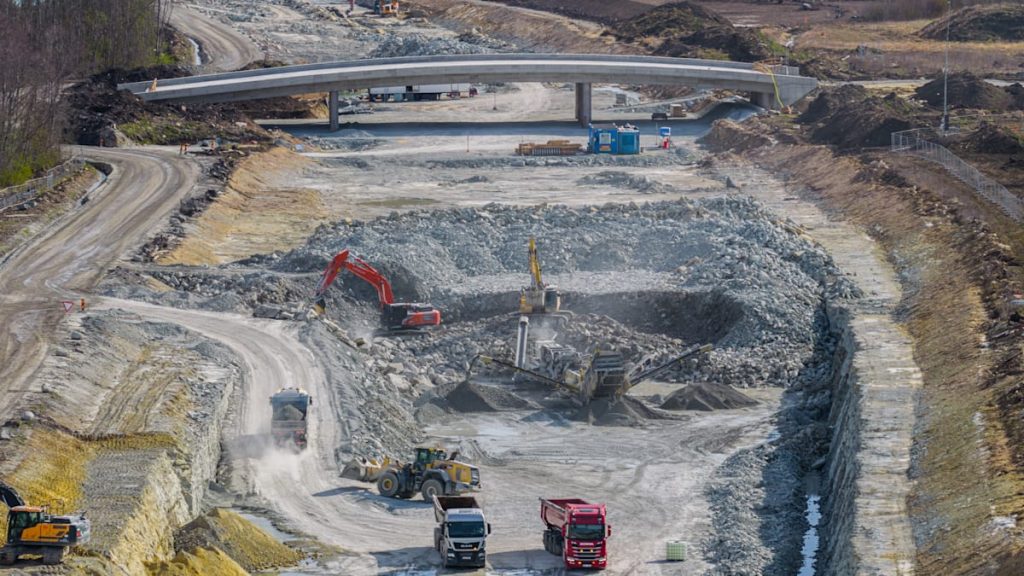
Rail Baltica Faces Delays Amid Strategic NATO Concerns
The Rail Baltica project, designed to connect the Baltic states to the European rail network and bolster NATO’s eastern flank, faces critical delays, raising concerns over regional security and infrastructure readiness.
Rail Baltica, one of Europe’s largest railway infrastructure projects, aims to integrate the Baltic states into the European rail network with a modern, electrified, dual-track system. The project is also strategically vital for NATO, as it would enhance the alliance’s ability to transport troops, equipment, and humanitarian aid seamlessly across borders. However, despite decades of planning, none of the three key segments of the railway are complete, jeopardizing its intended impact.
The railway’s importance extends beyond civilian transportation. It is set to traverse the Suwalki Corridor, a narrow land strip connecting Poland and Lithuania that serves as the sole terrestrial link between the Baltic states and other NATO countries. This corridor is considered highly vulnerable due to its proximity to the Russian exclave of Kaliningrad and Belarus. Rail Baltica’s completion would significantly strengthen NATO’s operational readiness in the region, improving interoperability and logistical efficiency.
Delays in the project have raised alarms among security experts, as the timeline for completion remains uncertain. The Baltic states currently rely on outdated rail systems with differing track gauges, a legacy of 19th-century Russian infrastructure. Modernizing these systems is critical to ensuring uninterrupted transport and bolstering regional defense capabilities. As geopolitical tensions persist, the urgency to finalize Rail Baltica grows, underscoring its dual role as a transportation lifeline and a strategic asset for NATO.
Edited and prepared by AboMatrix