



Putin Convenes Crisis Meeting Amid Fuel Shortages

Daily Monitor
September 21, 2026
Putin Convenes Crisis Meeting Amid Fuel Shortages
Russia taps into fuel reserves as Putin addresses mounting supply issues and ongoing geopolitical tensions.
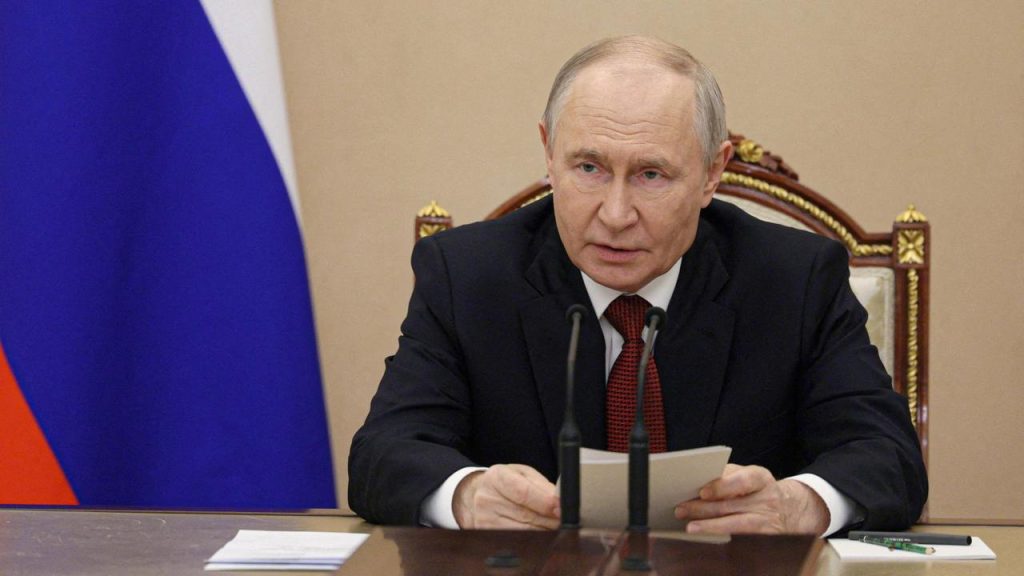
Russian President Vladimir Putin has convened a high-stakes crisis meeting to address the country’s escalating fuel shortages, a challenge compounded by intensified Ukrainian attacks on critical oil infrastructure. Speaking at a conference of his ruling party, United Russia, Putin acknowledged the nation’s struggles, describing the current phase as ‘difficult,’ but emphasized resilience and commitment to strategic domestic development.
The fuel crisis has led to long queues at gas stations, with certain fuel types becoming scarce. In response, Russia has begun utilizing its strategic fuel reserves and is considering an export ban on diesel to stabilize domestic supply. Representatives from key ministries and major oil producers attended the emergency meeting, where Putin underscored the urgency of mitigating the impact of what he described as ‘terrorist attacks’ on civilian infrastructure.
Despite these challenges, Putin assured citizens that Russia would uphold its social obligations, continue infrastructure projects, and create modern, well-paying jobs. He framed the crisis as an opportunity for national introspection, stating, ‘This phase has taught us valuable lessons about what it means to be a Russian citizen.’
The geopolitical backdrop of the fuel crisis remains tense, with Putin reiterating his confidence in achieving the objectives of the ongoing conflict with Ukraine, which Moscow officially refers to as a ‘special military operation.’ He claimed that Ukrainian forces face a ‘catastrophic personnel shortage’ and dismissed Western calls for peace negotiations, accusing them of seeking Russia’s strategic defeat.
Putin also rejected direct talks with Ukrainian President Volodymyr Zelenskyy, maintaining Russia’s maximalist demands, including full control over the Donbass region. While Western nations have floated the idea of peace talks, Putin questioned their sincerity, suggesting that their ultimate goal remains undermining Russia’s sovereignty and stability.
As Russia navigates these intertwined domestic and international challenges, the Kremlin’s approach appears resolute yet fraught with risks. The reliance on fuel reserves and potential export restrictions highlight the severity of the supply crisis, while the unwavering stance on Ukraine underscores the geopolitical stakes. For now, Putin’s leadership faces a critical test as he seeks to balance internal stability with external pressures.
The fuel crisis has led to long queues at gas stations, with certain fuel types becoming scarce. In response, Russia has begun utilizing its strategic fuel reserves and is considering an export ban on diesel to stabilize domestic supply. Representatives from key ministries and major oil producers attended the emergency meeting, where Putin underscored the urgency of mitigating the impact of what he described as ‘terrorist attacks’ on civilian infrastructure.
Despite these challenges, Putin assured citizens that Russia would uphold its social obligations, continue infrastructure projects, and create modern, well-paying jobs. He framed the crisis as an opportunity for national introspection, stating, ‘This phase has taught us valuable lessons about what it means to be a Russian citizen.’
The geopolitical backdrop of the fuel crisis remains tense, with Putin reiterating his confidence in achieving the objectives of the ongoing conflict with Ukraine, which Moscow officially refers to as a ‘special military operation.’ He claimed that Ukrainian forces face a ‘catastrophic personnel shortage’ and dismissed Western calls for peace negotiations, accusing them of seeking Russia’s strategic defeat.
Putin also rejected direct talks with Ukrainian President Volodymyr Zelenskyy, maintaining Russia’s maximalist demands, including full control over the Donbass region. While Western nations have floated the idea of peace talks, Putin questioned their sincerity, suggesting that their ultimate goal remains undermining Russia’s sovereignty and stability.
As Russia navigates these intertwined domestic and international challenges, the Kremlin’s approach appears resolute yet fraught with risks. The reliance on fuel reserves and potential export restrictions highlight the severity of the supply crisis, while the unwavering stance on Ukraine underscores the geopolitical stakes. For now, Putin’s leadership faces a critical test as he seeks to balance internal stability with external pressures.
Drafted & Edited by Investigative Desk | AboMatrix