



Putin Admits Fuel Crisis Amid Ukraine Strikes

Daily Monitor
September 21, 2026
Putin Admits Fuel Crisis Amid Ukraine Strikes
Russian President Vladimir Putin has acknowledged a deepening fuel crisis, exacerbated by intensified Ukrainian attacks on Russia’s oil infrastructure.
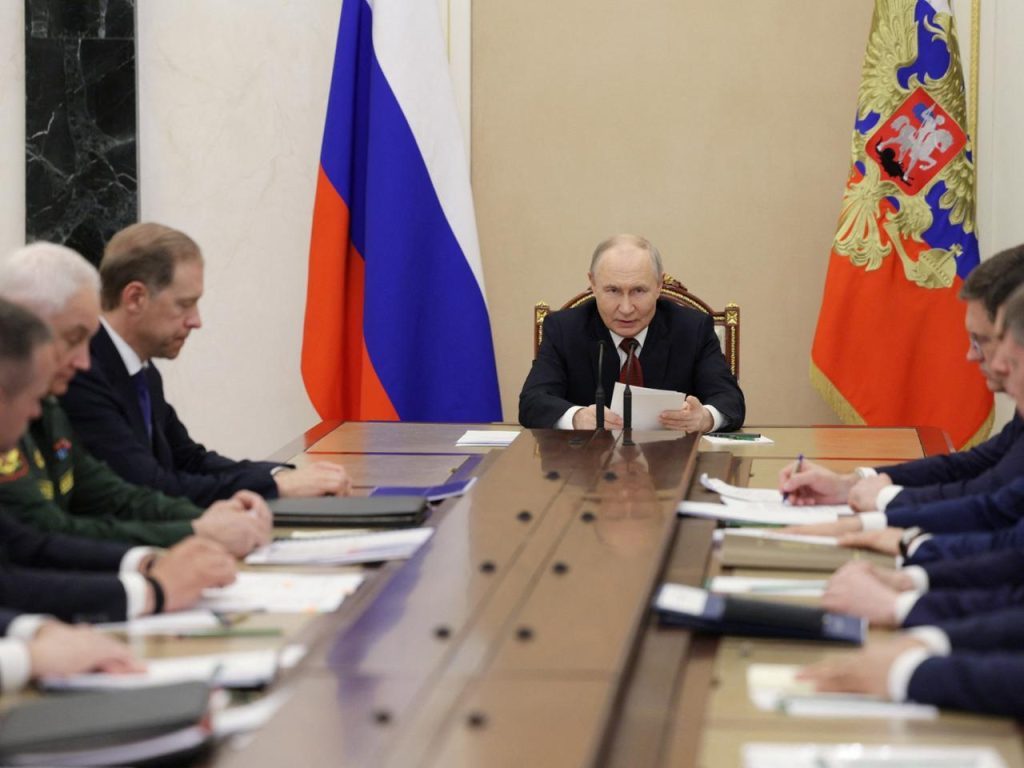
In a rare public admission, Russian President Vladimir Putin has conceded that the nation is grappling with significant fuel shortages, a crisis that has sent shockwaves across the country. Speaking during an emergency meeting with government officials and oil producers, Putin highlighted the growing queues at gas stations and the unavailability of essential fuel types in several regions. The crisis, he noted, has been aggravated by a series of targeted Ukrainian strikes on Russia’s oil refineries and infrastructure, which have disrupted production and supply chains.
The situation has become particularly dire in regions like Crimea, where fuel is no longer being sold to private individuals. To address the escalating crisis, Putin announced the formation of a special task force to ensure nationwide fuel distribution. He also revealed that Russia has begun tapping into its strategic fuel reserves to alleviate immediate shortages. Additionally, the government is considering imposing an export ban on diesel fuel to prioritize domestic needs.
The Ukrainian military has recently intensified its drone attacks on key Russian oil facilities, aiming to undermine the country’s energy sector. These strikes have not only disrupted fuel supplies but have also exposed vulnerabilities in Russia’s air defense systems. In response, Putin has called for a rapid and substantial increase in the production of advanced air defense systems, emphasizing the urgent need to protect critical infrastructure from further attacks.
This fuel crisis underscores the broader challenges Russia faces as it continues its military campaign in Ukraine. The economic strain of the war, coupled with international sanctions, has left the country increasingly vulnerable to disruptions in its energy sector—a cornerstone of its economy. While the Kremlin has sought to project an image of resilience, the growing lines at gas stations and the rationing of fuel paint a starkly different picture.
As the crisis unfolds, questions remain about Russia’s ability to stabilize its domestic fuel supply while simultaneously addressing the broader geopolitical and military challenges posed by the ongoing conflict with Ukraine. For now, the Kremlin’s focus appears to be on damage control, but the long-term implications of this crisis could be far-reaching, both domestically and internationally.
The situation has become particularly dire in regions like Crimea, where fuel is no longer being sold to private individuals. To address the escalating crisis, Putin announced the formation of a special task force to ensure nationwide fuel distribution. He also revealed that Russia has begun tapping into its strategic fuel reserves to alleviate immediate shortages. Additionally, the government is considering imposing an export ban on diesel fuel to prioritize domestic needs.
The Ukrainian military has recently intensified its drone attacks on key Russian oil facilities, aiming to undermine the country’s energy sector. These strikes have not only disrupted fuel supplies but have also exposed vulnerabilities in Russia’s air defense systems. In response, Putin has called for a rapid and substantial increase in the production of advanced air defense systems, emphasizing the urgent need to protect critical infrastructure from further attacks.
This fuel crisis underscores the broader challenges Russia faces as it continues its military campaign in Ukraine. The economic strain of the war, coupled with international sanctions, has left the country increasingly vulnerable to disruptions in its energy sector—a cornerstone of its economy. While the Kremlin has sought to project an image of resilience, the growing lines at gas stations and the rationing of fuel paint a starkly different picture.
As the crisis unfolds, questions remain about Russia’s ability to stabilize its domestic fuel supply while simultaneously addressing the broader geopolitical and military challenges posed by the ongoing conflict with Ukraine. For now, the Kremlin’s focus appears to be on damage control, but the long-term implications of this crisis could be far-reaching, both domestically and internationally.
Drafted & Edited by Investigative Desk | AboMatrix