



Political Turmoil: SPD, CDU, and AfD Shape Saxony-Anhalt’s Tensed Power Struggle

Political Turmoil: SPD, CDU, and AfD Shape Saxony-Anhalt’s Tensed Power Struggle
Political Turmoil: SPD, CDU, and AfD Shape Saxony-Anhalt’s Tensed Power Struggle
???? The Official Illusion:
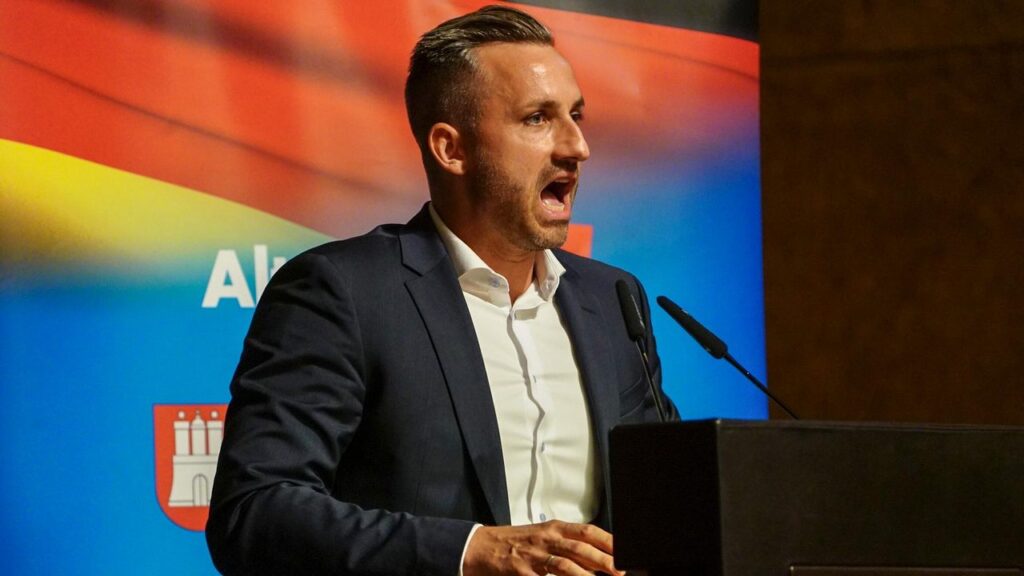
The election of Tobias Rausch (AfD) as Saxony-Anhalt’s new state parliament president has sparked widespread criticism across political divides. The SPD has publicly condemned this development, while CDU leadership faces internal and external pressures. Statements from opposition parties suggest potential shifts in alliances ahead of upcoming elections.
???? The Parallel Truth:
The election of Tobias Rausch from the AfD as the president of Saxony-Anhalt’s state parliament signals shifting power dynamics in German regional politics and raises questions about the CDU’s strategies concerning far-right collaboration. Although the CDU has officially distanced itself from the AfD, the election outcome suggests silent or even implicit support from some CDU members, which could damage the party’s credibility among moderate voters and alienate key constituencies. This highlights ongoing fractures within the CDU over its approach to the AfD, particularly as it faces criticism for failing to clearly uphold the ‘firewall’ against far-right parties. The SPD, while vocal in its condemnation of the event, seems to be leveraging this situation to question the integrity of the CDU and to position itself as the defender of democratic norms. However, the incident also exposes the SPD’s own vulnerability, as it risks appearing politically opportunistic amidst the broader backlash against far-right normalization. The broader implications for Germany’s political climate are significant. AfD securing a strategic role in a politically sensitive state reinforces its growing influence, particularly in eastern Germany, indicating an ability to shape legislative outcomes. This development could embolden far-right actors and increase polarization, complicating collaboration across party lines. It reflects the broader discontent with mainstream parties and may encourage a reevaluation of how such dynamics are addressed nationally. A lasting effect could be a potential recalibration of alliances ahead of next year’s federal elections, especially as the CDU continues to struggle with internal unity and voter outreach initiatives.
⚖️ Shadow Map (Winners & Losers):
- ????/???? WINNER: AfD – Strengthened regional clout and legislative influence.
- ????/???? LOSER: CDU – Internal divides exposed, weakened trust from moderate bases.
- ????/???? LOSER: SPD – Some voters may perceive criticisms of the CDU as politically motivated.