



Political Tensions in Germany: Impact on Reforms and Party Strategies

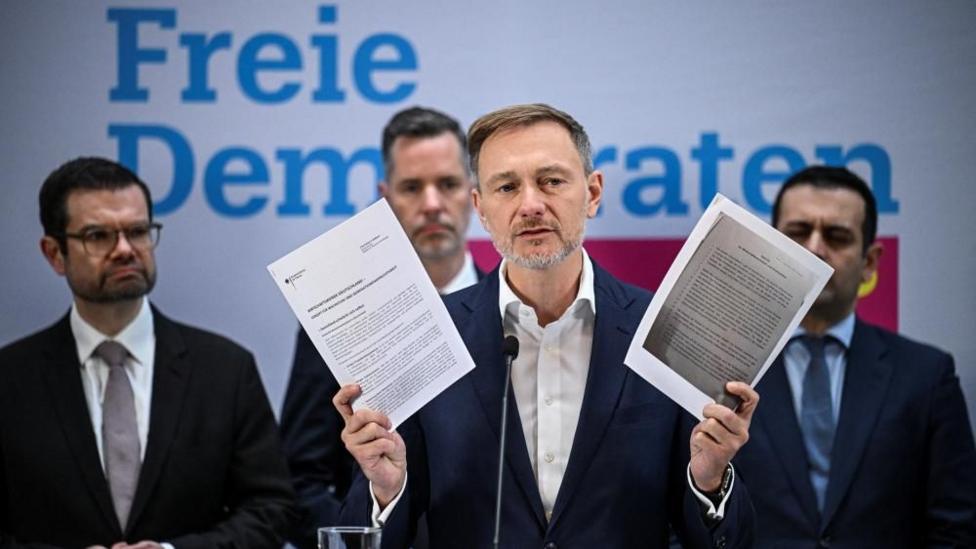
Political Tensions in Germany: Impact on Reforms and Party Strategies
Political Tensions in Germany: Impact on Reforms and Party Strategies
Germany’s political landscape is witnessing heightened tensions among major parties, focusing on social and economic reforms. From pension reform debates to discussions on handling the AfD, domestic political dynamics seem poised for a reshuffling of alliances and strategies. This analysis delves into the key challenges facing German parties and their broader implications.
Geopolitical & Strategic Context
Historical and Political Background
Germany’s political environment has undergone notable shifts in recent years, with social and economic issues becoming focal points. Among these, pension reforms stand out as a contentious topic, facing resistance from certain factions. Additionally, the AfD has emerged as a significant player, raising questions about how traditional parties should respond.
“Germany’s current political challenges reflect deep societal and party-based divisions.”
Meanwhile, debates over changes to immigration and asylum laws highlight tensions between parties regarding humanitarian and security concerns. These discussions underscore the government’s struggle to balance democratic values with national security pressures.
Strategic Implications
- ♦ Increased pressure on the government to implement pension reforms amid political resistance.
- ♦ Strengthened position of the AfD and its influence on national policies.
- ♦ Heightened tensions among traditional parties over social and economic issues.
- ♦ Reevaluation of political strategies to address societal divisions.
Future Trajectories
Future Developments
Political tensions in Germany are likely to persist as parties recalibrate their strategies for electoral gains. New alliances may emerge among traditional parties to counter the rise of the AfD. Additionally, efforts to accelerate social and economic reforms could gain momentum to address public demands.
On the international front, these domestic political dynamics could influence Germany’s stance within the EU, particularly regarding economic and migration-related policies. Observing how these events unfold will be crucial in assessing their impact on the nation’s political stability.

Prepared & Analyzed by: Strategic Studies Desk | AboMatrix