



Political and economic tensions shed light on deep divides within Germany

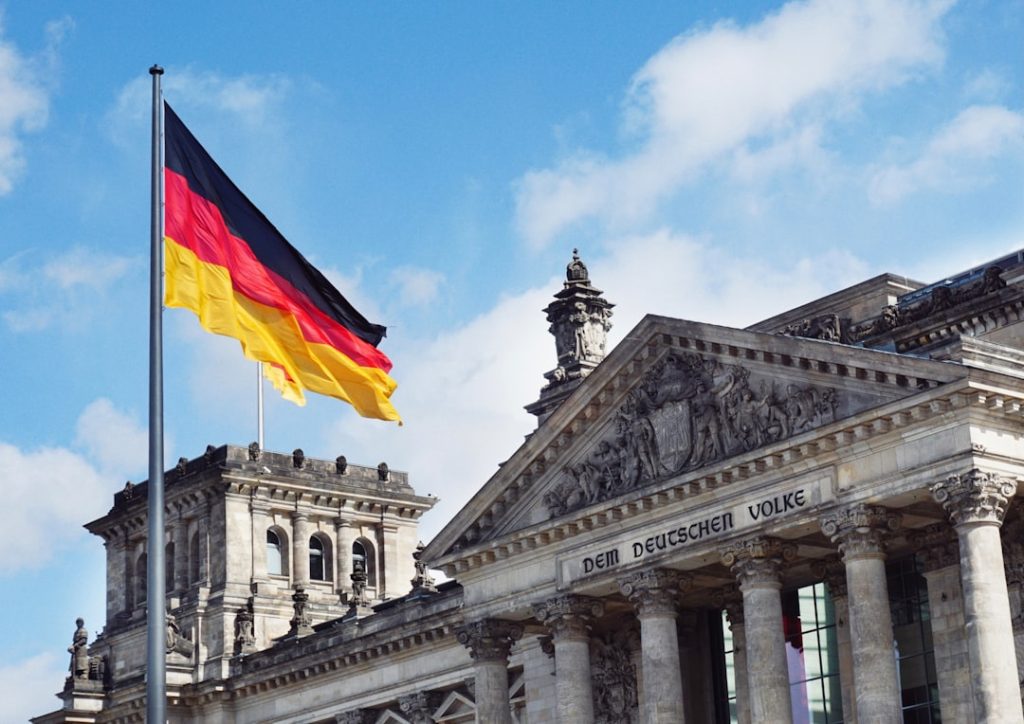
Political and economic tensions shed light on deep divides within Germany
Political and economic tensions shed light on deep divides within Germany
???? The Core Event:
Germany faces political strain between government and opposition, with AfD’s influence playing a significant role.
???? Objective Analysis:
Germany is currently navigating a complex phase of political and societal challenges shaped by intertwined factors. The rise of the AfD, particularly in states like Saxony-Anhalt, underscores how populist rhetoric is shaping political dialogue. Economically, the government led by Chancellor Merz faces structural difficulties, such as issues within the Volkswagen Group, which highlight the dependency on traditional industries.
Beyond the political realm, societal tensions are evident due to rising living costs, including proposed higher prices for sugary drinks that directly impact everyday citizens. Immigration remains a sensitive topic, with measures like the deportation of Afghan refugees raising humanitarian concerns. Technological strides such as the use of AI in judicial settings demonstrate the shift toward digitization but also influence citizen engagement with institutional processes.
Foreign policy tensions amplify the pressure on Germany, with allegations about Russian networks operating within the country. These interconnected challenges position the nation as one undergoing transition—balancing opportunities for innovation against persisting social and political divisions.
⚖️ Public & Societal Impact:
- ???? Political polarization creates difficulties for rural and economically weaker regions to have their voices heard.
- ???? Economic insecurities burden workers with concerns about stability and future prospects.
- ???? Enhanced dialogue between political factions and the public could reduce conflicts and foster societal peace.
♟️ Future Projections:
Chancellor Merz will likely face pressure to accelerate reforms and facilitate transparent communication between political entities to maintain trust in government institutions. Economic stimuli and support for disrupted industries, along with stronger integration programs, will be essential to counteract existing uncertainties.
Socially, initiatives aimed at promoting dialogue between political and societal bodies could help reduce polarization and provide clarity on long-term national strategies. Programs to address rising living costs and enhance structural support for economically weaker regions will play a significant role in calming political unrest and strengthening the democratic fabric in cities and rural areas alike.