



Pegah Edalatian: Redefining Diversity in Migration Policy

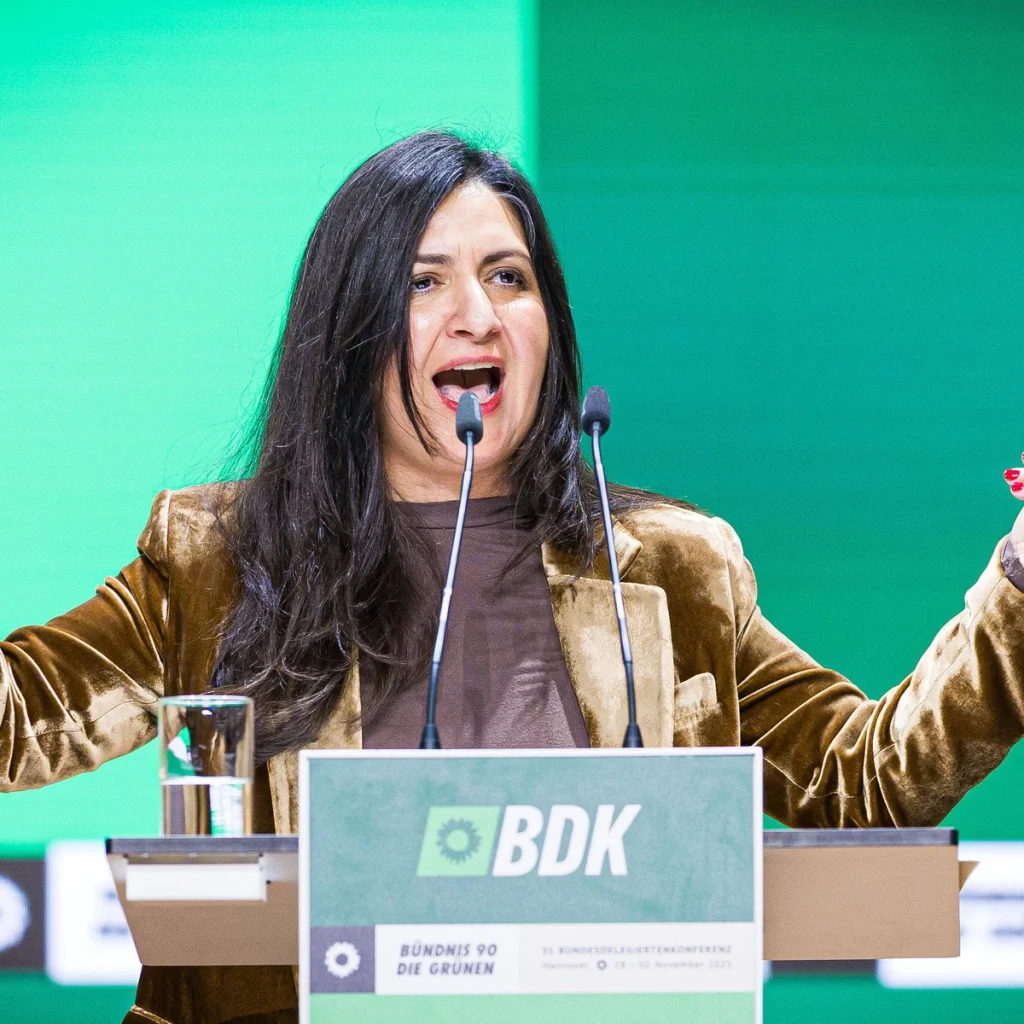
Pegah Edalatian: Redefining Diversity in Migration Policy
⏱ 3 min read
Executive Summary
Pegah Edalatian, the newly appointed Secretary-General of Germany’s Green Party, is spearheading efforts to diversify political representation and integrate non-academics into leadership roles. Her migration-focused background and progressive vision signal a transformative shift in how political institutions address inclusion and refugee policies.
Strategic Context
Germany has long been a pivotal player in European migration policy, balancing humanitarian commitments with political pragmatism. The Green Party, known for its progressive stance, has historically championed refugee rights and sustainable integration strategies. However, internal challenges, including representation gaps and electoral setbacks, have necessitated structural reforms.
In this context, Pegah Edalatian’s rise as the first Secretary-General of the Green Party marks a significant milestone. Born to Iranian parents and with a career rooted in social sciences and refugee policy, Edalatian embodies the intersection of lived experience and academic expertise. Her appointment follows constitutional changes within the party aimed at aligning leadership roles with evolving political demands.
In-Depth Analysis
Structural Reforms and Leadership Evolution: Edalatian’s appointment reflects broader structural changes within the Green Party, including the redefinition of key leadership roles. By transitioning the political manager role into a Secretary-General position, the party aims to streamline decision-making and enhance its responsiveness to societal challenges, particularly migration and diversity.
Focus on Diversity and Inclusion: A cornerstone of Edalatian’s agenda is diversifying the party’s leadership. Her emphasis on integrating non-academics into influential positions addresses longstanding disparities in representation. This approach not only broadens the party’s appeal but also aligns with Germany’s demographic realities, where migrant and working-class voices often remain underrepresented.
Migration Policy Implications: Edalatian’s background in refugee policy and global development positions her uniquely to influence migration discourse. Her pragmatic approach, rejecting dogmatism while advocating for progressive ideals, suggests a balanced strategy that prioritizes both humanitarian obligations and practical integration frameworks.
Impact on Migrants
Legal and Social Implications: Edalatian’s leadership is likely to drive policy shifts that favor inclusive integration strategies. Migrants and refugees could benefit from expanded access to political representation and support systems tailored to their needs. Her focus on diversifying leadership may inspire similar reforms across other political institutions.
Human Impact: For migrants and refugees, Edalatian’s policies signal hope for a more equitable future. By advocating for representation beyond academic elites, she challenges systemic barriers and fosters a sense of belonging. This could lead to improved social cohesion and reduced marginalization within German society.
Outlook & Conclusion

Prepared & Analyzed by: Migration Policy Unit | AboMatrix