



Oil Prices Remain at Crisis Levels: A Complex Landscape

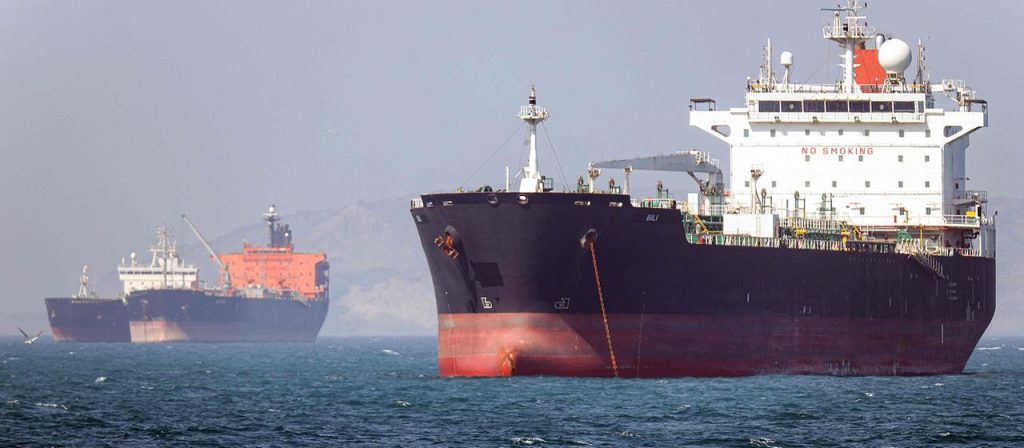
Oil Prices Remain at Crisis Levels: A Complex Landscape
The global oil market is currently navigating turbulent waters, as prices remain elevated amid geopolitical tensions and uncertainties surrounding supply. Despite recent optimism stemming from the potential agreement between Iran and the United States, the reality is that oil prices are still significantly above pre-crisis levels, raising questions about the long-term stability of the market and its implications for the global economy.
Geopolitical Tensions and Market Reactions
The announcement of a potential agreement between Iran and the U.S. has sparked cautious optimism in financial and energy markets. Investors celebrated the news, leading to a notable drop in oil prices, with Brent and WTI falling over five percent. However, this decline does not erase the ‘risk premium’ that has emerged due to ongoing geopolitical tensions, particularly in the Strait of Hormuz. The situation remains precarious, as uncertainties regarding the agreement’s finalization and the potential for new fees on passing tankers could hinder any recovery in supply.
Long-Term Implications for Supply and Prices
Despite the initial positive market response, analysts caution that the normalization of oil supply will take time. The damage inflicted on production and processing facilities due to ongoing conflicts means that it could be years before oil flows through the Strait of Hormuz return to pre-crisis levels. Furthermore, the Bundesbank has warned that inflationary pressures may persist, particularly as fiscal measures designed to mitigate energy costs come to an end. This suggests that while short-term fluctuations may occur, the long-term outlook for oil prices remains uncertain and potentially volatile.
الخلاصة: In conclusion, while the prospect of a new agreement between Iran and the U.S. has temporarily buoyed market sentiment, the reality is that oil prices are still grappling with crisis-level challenges. The combination of geopolitical uncertainties, damaged infrastructure, and the potential for prolonged inflationary pressures indicates that the road to a stable oil market is fraught with obstacles. Stakeholders must remain vigilant as they navigate this complex landscape, understanding that the journey to normalization may be longer and more complicated than anticipated.