



Nepal Approves Anti-Money Laundering Bill

Daily Monitor
September 22, 2026
Nepal Approves Anti-Money Laundering Bill
Nepal’s House of Representatives has unanimously approved a pivotal bill aimed at combating money laundering and strengthening financial transparency.
In a significant legislative move, Nepal’s House of Representatives convened its second session on Sunday and unanimously approved the ‘Anti-Money Laundering Prevention (Third Amendment) Bill, 2083.’ This bill, introduced to replace an existing ordinance, marks a crucial step in the nation’s efforts to tackle financial crimes and align with international standards.
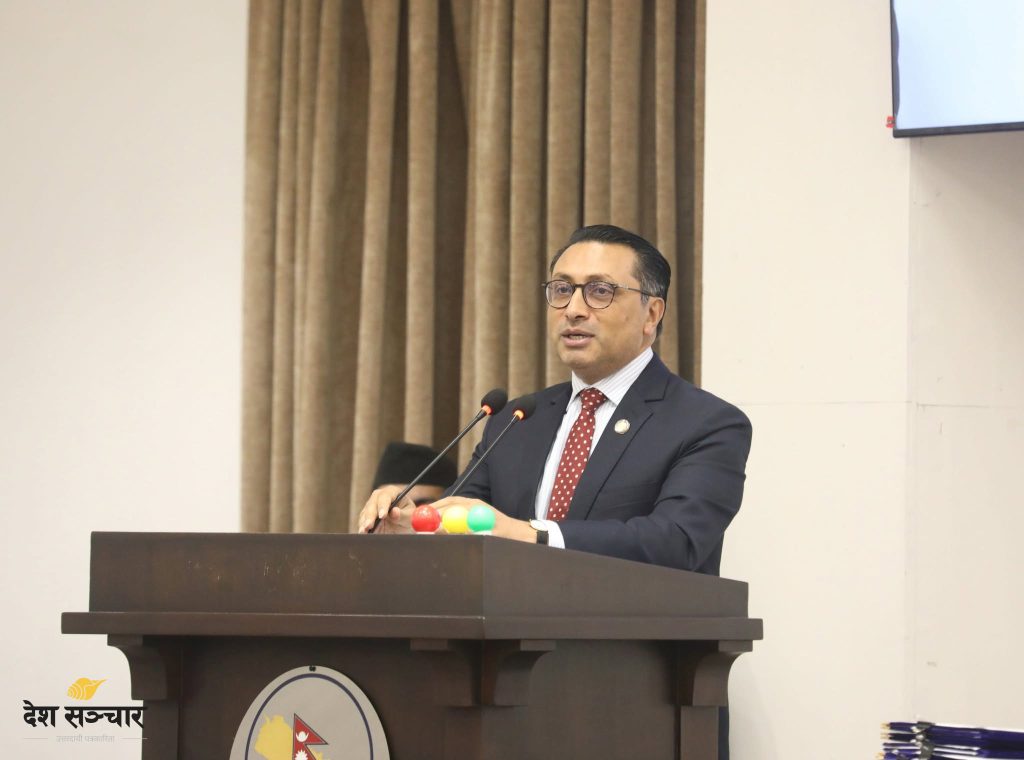
The bill was presented for consideration by Finance Minister Dr. Swarnim Waglé, who emphasized the urgency of legal amendments to address Nepal’s vulnerabilities in financial transparency. During the session, Dr. Waglé highlighted that the international community has been closely monitoring Nepal’s anti-money laundering framework. He stressed the importance of removing Nepal from the metaphorical ‘black stain’ of financial scrutiny, underscoring the government’s commitment to effective implementation of existing laws and policies.
Dr. Waglé also addressed concerns regarding selective investigations, assuring lawmakers that the government would ensure impartiality and fairness in its approach. He further noted that efforts are underway to remove Nepal’s aviation sector from the European Commission’s ‘blacklist,’ signaling broader reforms across various sectors.
The parliamentary discussion saw active participation from lawmakers, including Bishwaraj Pokharel, Vidushi Rana, Parasmani Gelal, Aaren Rai, Chandramohan Yadav, and Geeta Gurung. They collectively called for stricter legal measures to curb illicit wealth accumulation and emphasized the need for unbiased investigations into financial misconduct. The lawmakers also urged the government to take decisive steps to remove Nepal from the Financial Action Task Force’s ‘grey list,’ which has implications for the nation’s global financial reputation.
The Speaker of the House encouraged members to submit amendments to the bill through the Federal Parliament Secretariat’s legislative branch, ensuring a collaborative and transparent process. This legislative milestone reflects Nepal’s determination to enhance its financial governance and restore international confidence in its systems.
As Nepal moves forward with this amendment, the focus remains on fostering a culture of accountability, transparency, and fairness in financial practices. The bill’s approval is not just a legal reform but a statement of intent to safeguard the nation’s economic integrity and global standing.
The bill was presented for consideration by Finance Minister Dr. Swarnim Waglé, who emphasized the urgency of legal amendments to address Nepal’s vulnerabilities in financial transparency. During the session, Dr. Waglé highlighted that the international community has been closely monitoring Nepal’s anti-money laundering framework. He stressed the importance of removing Nepal from the metaphorical ‘black stain’ of financial scrutiny, underscoring the government’s commitment to effective implementation of existing laws and policies.
Dr. Waglé also addressed concerns regarding selective investigations, assuring lawmakers that the government would ensure impartiality and fairness in its approach. He further noted that efforts are underway to remove Nepal’s aviation sector from the European Commission’s ‘blacklist,’ signaling broader reforms across various sectors.
The parliamentary discussion saw active participation from lawmakers, including Bishwaraj Pokharel, Vidushi Rana, Parasmani Gelal, Aaren Rai, Chandramohan Yadav, and Geeta Gurung. They collectively called for stricter legal measures to curb illicit wealth accumulation and emphasized the need for unbiased investigations into financial misconduct. The lawmakers also urged the government to take decisive steps to remove Nepal from the Financial Action Task Force’s ‘grey list,’ which has implications for the nation’s global financial reputation.
The Speaker of the House encouraged members to submit amendments to the bill through the Federal Parliament Secretariat’s legislative branch, ensuring a collaborative and transparent process. This legislative milestone reflects Nepal’s determination to enhance its financial governance and restore international confidence in its systems.
As Nepal moves forward with this amendment, the focus remains on fostering a culture of accountability, transparency, and fairness in financial practices. The bill’s approval is not just a legal reform but a statement of intent to safeguard the nation’s economic integrity and global standing.
Drafted & Edited by Investigative Desk | AboMatrix