



Navigating Tensions: Will the Bundeswehr Clear Mines in the Strait of Hormuz?

Navigating Tensions: Will the Bundeswehr Clear Mines in the Strait of Hormuz?
As geopolitical tensions escalate in the Persian Gulf, the potential involvement of the Bundeswehr in mine-clearing operations in the Strait of Hormuz raises critical questions. With the backdrop of Iran’s aggressive posturing and the strategic importance of this maritime chokepoint, the implications of such military actions extend far beyond regional stability. What role will Germany play in this unfolding crisis, and what are the potential consequences of their involvement?
The Strategic Importance of the Strait of Hormuz
The Strait of Hormuz is a vital maritime corridor, through which approximately 20% of the world’s oil passes. Its significance cannot be overstated, as any disruption here could have catastrophic effects on global energy markets. Understanding the geopolitical landscape surrounding this region is crucial, especially as tensions between Iran and Western nations continue to rise. The potential for mine-laying by Iran as a tactic to assert control over this strategic passage raises alarms and underscores the need for a robust international response.
Germany’s Role in International Security
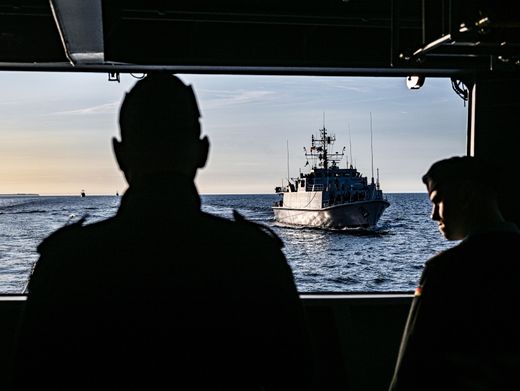
Germany’s commitment to participating in a protective mission in the Strait of Hormuz, as pledged by Chancellor Merz to US President Trump, marks a significant shift in its defense posture. With two Bundeswehr ships on standby, Germany must navigate the complexities of international law, its own military capabilities, and the expectations of its allies. The decision to engage in mine-clearing operations will not only affect regional security dynamics but also Germany’s standing within NATO and its relations with Iran. The implications of this involvement could redefine Germany’s role in global security matters.
الخلاصة: As the situation in the Strait of Hormuz evolves, the Bundeswehr’s potential involvement in mine-clearing operations represents a pivotal moment for Germany’s foreign policy and military engagement. The outcomes of these decisions will resonate throughout the international community, influencing not only regional stability but also global energy security. The path forward is fraught with challenges, but it also presents an opportunity for Germany to assert its commitment to collective security in a turbulent world.