



Navigating Tensions: Will the Bundeswehr Clear Mines in the Strait of Hormuz?

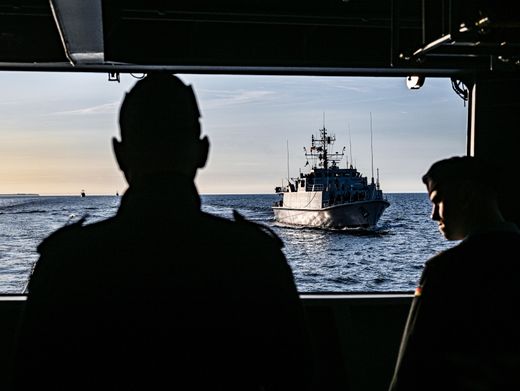
Navigating Tensions: Will the Bundeswehr Clear Mines in the Strait of Hormuz?
As geopolitical tensions escalate in the Persian Gulf, particularly concerning Iran’s actions, the possibility of Germany’s Bundeswehr engaging in mine-clearing operations in the Strait of Hormuz raises critical questions. With the commitment from Chancellor Merz to support a protective mission alongside the United States, the implications of such a move demand thorough examination.
The Strategic Importance of the Strait of Hormuz
The Strait of Hormuz is a vital maritime chokepoint, through which approximately 20% of the world’s oil supply passes. Its strategic significance cannot be overstated, as any disruption could have far-reaching consequences on global energy markets and international relations. The presence of mines in these waters poses a serious threat to shipping lanes, necessitating a robust response from international forces.
Germany’s Role and Responsibilities in Regional Security
Germany’s potential involvement in mine-clearing operations reflects a broader commitment to international security and collaboration with allies. The Bundeswehr’s readiness to deploy two ships for this mission highlights the urgency of addressing threats posed by Iran’s military maneuvers. However, this engagement also raises questions about Germany’s military capabilities, political will, and the implications for its foreign policy stance in the Middle East.
الخلاصة: The prospect of the Bundeswehr participating in mine-clearing operations in the Strait of Hormuz underscores the intricate balance of power in the region. As tensions with Iran continue to rise, Germany’s decision will not only impact its national security strategy but also shape its role on the global stage. The coming months will be crucial in determining whether this commitment will translate into action and what that means for the future of regional stability.