



Navigating Controversy: The European Union’s Engagement with the Taliban on Migration Policies
The recent decision by Belgium to grant temporary visas to five Taliban representatives for migration-related discussions with EU officials marks a significant and cont...

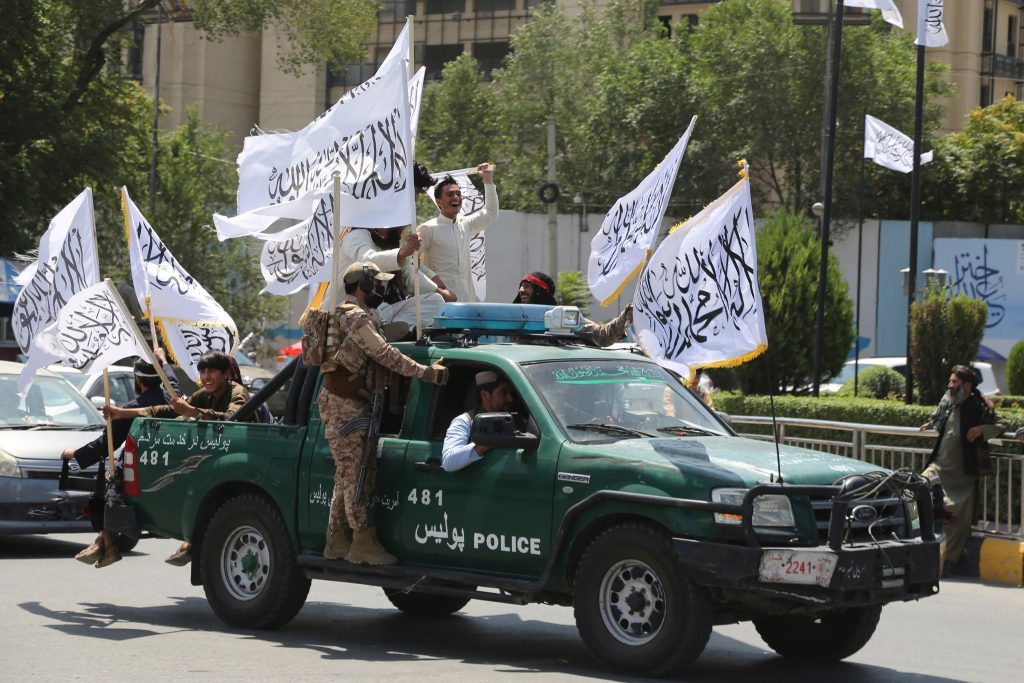
Navigating Controversy: The European Union’s Engagement with the Taliban on Migration Policies
⏱ 3 min read
Executive Summary
The recent decision by Belgium to grant temporary visas to five Taliban representatives for migration-related discussions with EU officials marks a significant and controversial development in European migration policy. This engagement aims to facilitate the repatriation of Afghan nationals in Europe, amidst rising pressures from member states to deport individuals who have not been granted asylum. The talks, framed as strictly technical to avoid any semblance of formal recognition of the Taliban regime, reflect the complex interplay of security, humanitarian concerns, and political dynamics within the EU.
Strategic Context
The Taliban’s return to power in Afghanistan in August 2021 has led to a significant humanitarian crisis, prompting a wave of migration from the country. Many Afghans, particularly those who assisted Western forces, face persecution under the new regime, leading to calls for asylum in Europe. However, the EU’s response has been complicated by the lack of formal recognition of the Taliban as the legitimate government of Afghanistan, resulting in a precarious balance between addressing humanitarian needs and maintaining political integrity. The EU’s approach has been characterized by a cautious engagement strategy, focusing on technical discussions rather than political recognition, as seen in the recent invitation extended to Taliban representatives for migration talks in Brussels.
Deep Analysis
The decision to engage with the Taliban on migration issues reflects a pragmatic approach by the EU, driven by mounting pressures from member states to address the situation of Afghan nationals in Europe. Countries like Germany have already initiated deportation agreements with the Taliban, indicating a shift towards a more collaborative stance in managing migration flows. This engagement raises critical questions about the EU’s moral and ethical responsibilities towards Afghan refugees, particularly those who risked their lives in support of Western missions. The technical nature of the talks, as emphasized by EU officials, aims to mitigate concerns about legitimizing the Taliban’s authority while still addressing pressing migration challenges. However, this approach risks normalizing relations with a regime widely condemned for its human rights abuses, potentially undermining the EU’s commitment to upholding democratic values and human rights.
Impact on Migrants
For Afghan nationals in Europe, the implications of these talks are profound. The discussions are expected to focus on identifying individuals subject to deportation, particularly those with criminal records, which raises concerns about the fairness and transparency of deportation processes. Many Afghans fear that their asylum claims may be disregarded in favor of expedited deportations, particularly as EU member states seek to demonstrate a tough stance on migration. Furthermore, the issuance of travel documents for deportation purposes could lead to increased anxiety among Afghan communities in Europe, who may feel targeted by these policies. The potential for mass deportations, especially of vulnerable individuals, poses significant risks to their safety and well-being, particularly given the Taliban’s track record of violence against those perceived as dissenters.
Outlook & Conclusion
Looking ahead, the EU’s engagement with the Taliban on migration issues will require careful navigation of complex political and ethical landscapes. As member states grapple with the challenges of managing migration flows, the need for a coherent and humane policy framework becomes increasingly urgent. Future discussions must prioritize the protection of human rights and the safety of vulnerable populations while balancing the political realities of engaging with a regime that remains unrecognized by the international community. The outcomes of these talks will likely set important precedents for how the EU addresses migration and asylum issues in the context of shifting geopolitical dynamics.
Anchor Source: breitbart.com | Analyzed by AboMatrix AI Engine