



MOTRA Reveals Alarming Trends in Radicalization Through Diverse Analytical Approaches

MOTRA Reveals Alarming Trends in Radicalization Through Diverse Analytical Approaches
[ ???? Classification: Sovereign Study | Reference: Institute MOTRA | Complexity Level: High ]
Core Thesis
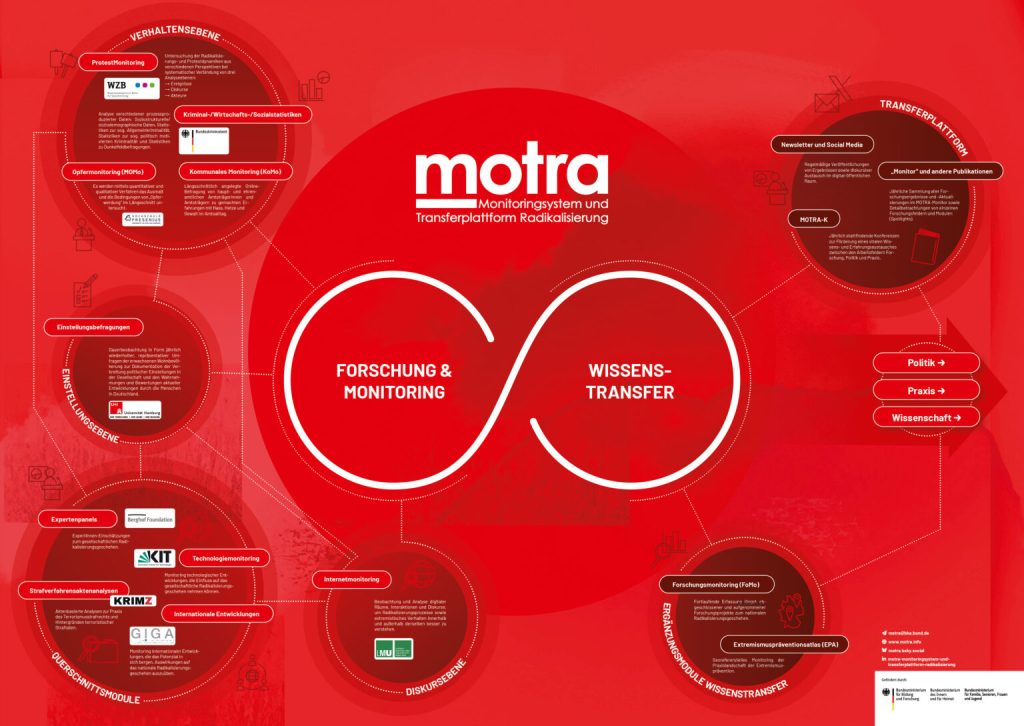
The MOTRA study aims to analyze the manifestations and dimensions of radicalization from both social and technical perspectives. The institute seeks to understand how individuals are influenced by global and local events through assessments of entrenched beliefs and attitudes to enhance radicalization prevention strategies. The study employs multiple approaches such as opinion surveys, criminal record analyses, and technology monitoring which allows for comprehensive data collection to fuel contemporary discussions on these risks. The targeted outcome is to construct a robust knowledge base that facilitates the prediction of extremist behaviors and uncovers emerging trends and signs of radicalism among youth.
Surgical Data
- ???? Data from criminal record analyses show a significant increase in double radicalization cases among youth and individuals from low socio-economic backgrounds, necessitating a review of policies.
- ???? Statistics from surveys indicate that 45% of individuals interviewed had a positive view towards violence as a means to achieve political objectives.
- ???? Monitoring indicates that social media has played a significant role, contributing to a 60% increase in openness towards extremist thought.
- ???? International monitoring highlights that social intermediaries play a crucial role in guiding youth towards radical events, estimating that 70% of new radicals have strong connections with these intermediaries.
Strategic Projection
???? It is projected that policymakers will utilize the intricate details surrounding the phenomenon of radicalization to draft new legislation aimed at intensifying preventive efforts, such as strengthening educational and social development programs and regulating media. Given the insights presented within this study pointing to gaps in societal awareness of how to address radicalism, these voids are expected to be exploited to justify the enactment of new laws designed to accelerate disciplinary measures thereby enhancing state efforts to combat extremism. Moreover, these insights could facilitate stronger cooperation between different sectors such as the Ministry of the Interior, Departments of Education, and civil society organizations.
Academic Red Flags
⚠️ A central question in the methodology of this study lies in the representativeness of the sample utilized for analyzing the phenomenon of radicalization. Was the sample fairly representative of all social strata, or was it limited to certain groups that might give a biased impression? The lack of clarity in the methodology of sample selection or reliance on unverified surveys could skew the study’s results in a manner that undermines policymakers’ ability to comprehensively understand the issue, leading to the adoption of strategies that may not effectively address radicalism.
???? Research Repository: [Source/DOI] | ???? Deconstruction and Strategic Reading: AboMatrix