



Israel-Lebanon Accord: Fragile Steps to Peace

Daily Monitor
September 17, 2026
Israel-Lebanon Accord: Fragile Steps to Peace
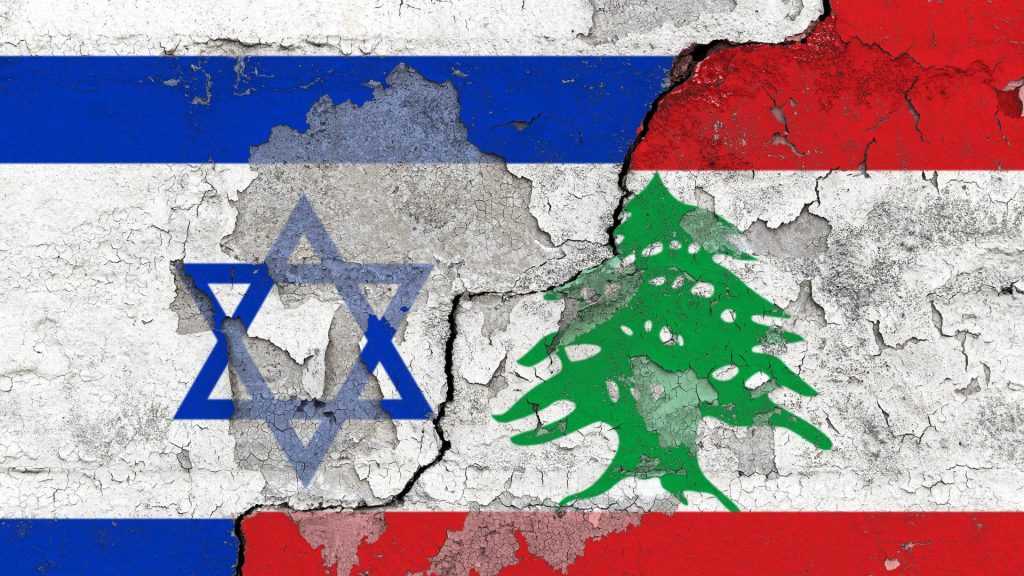
A historic framework agreement between Israel and Lebanon aims to end decades of conflict, but challenges loom large.
In a landmark moment for Middle Eastern diplomacy, representatives from Israel, Lebanon, and the United States convened in Washington to sign a framework agreement that seeks to end the long-standing hostilities between Israel and the Iran-backed Hezbollah militia. While hailed as a historic step by Israeli Prime Minister Benjamin Netanyahu, the accord has sparked mixed reactions across Lebanon, ranging from cautious optimism to outright hostility.
Lebanese President Joseph Aoun described the agreement as a ‘first step’ toward reclaiming full sovereignty over the nation’s territory, signaling hope but tempering expectations. Meanwhile, Hezbollah, which was excluded from the trilateral negotiations, has vehemently opposed the deal, organizing protests and issuing threats of civil unrest. The American Secretary of State, Marco Rubio, underscored the complexity of the path ahead, calling the agreement ‘the beginning of the beginning’ and emphasizing the arduous work required to achieve lasting peace.
The framework outlines an ambitious vision: ending the state of war that has persisted since 1948, resolving territorial disputes, and fostering peaceful neighborly relations. However, the process remains precarious. Hezbollah’s entrenched influence in southern Lebanon, coupled with its history of violent confrontations with the Israeli Defense Forces (IDF), poses significant obstacles. The agreement stipulates a phased approach, requiring the Lebanese Armed Forces (LAF) to assert control over Hezbollah-dominated areas and disarm non-state militias before Israel withdraws from occupied territories.
Details of the implementation are shrouded in secrecy, with a classified ‘security annex’ outlining the operational specifics. Two pilot zones have been identified for initial LAF deployment, one entirely outside Israel’s current ‘security zone’ and the other partially within it. Netanyahu’s presentation of these zones as militarily expendable areas reflects the delicate balancing act required to appease domestic opposition to any withdrawal from southern Lebanon, a move deeply unpopular among Israelis.
The stakes are high, and the road ahead is fraught with uncertainty. The agreement’s success hinges on the ability of Lebanese authorities to overcome internal divisions and assert sovereignty, while Israel must navigate domestic resistance to territorial concessions. As the ink dries on this fragile accord, the world watches closely, hopeful yet wary of the challenges that lie ahead in transforming this framework into a durable peace.
Lebanese President Joseph Aoun described the agreement as a ‘first step’ toward reclaiming full sovereignty over the nation’s territory, signaling hope but tempering expectations. Meanwhile, Hezbollah, which was excluded from the trilateral negotiations, has vehemently opposed the deal, organizing protests and issuing threats of civil unrest. The American Secretary of State, Marco Rubio, underscored the complexity of the path ahead, calling the agreement ‘the beginning of the beginning’ and emphasizing the arduous work required to achieve lasting peace.
The framework outlines an ambitious vision: ending the state of war that has persisted since 1948, resolving territorial disputes, and fostering peaceful neighborly relations. However, the process remains precarious. Hezbollah’s entrenched influence in southern Lebanon, coupled with its history of violent confrontations with the Israeli Defense Forces (IDF), poses significant obstacles. The agreement stipulates a phased approach, requiring the Lebanese Armed Forces (LAF) to assert control over Hezbollah-dominated areas and disarm non-state militias before Israel withdraws from occupied territories.
Details of the implementation are shrouded in secrecy, with a classified ‘security annex’ outlining the operational specifics. Two pilot zones have been identified for initial LAF deployment, one entirely outside Israel’s current ‘security zone’ and the other partially within it. Netanyahu’s presentation of these zones as militarily expendable areas reflects the delicate balancing act required to appease domestic opposition to any withdrawal from southern Lebanon, a move deeply unpopular among Israelis.
The stakes are high, and the road ahead is fraught with uncertainty. The agreement’s success hinges on the ability of Lebanese authorities to overcome internal divisions and assert sovereignty, while Israel must navigate domestic resistance to territorial concessions. As the ink dries on this fragile accord, the world watches closely, hopeful yet wary of the challenges that lie ahead in transforming this framework into a durable peace.
Drafted & Edited by Investigative Desk | AboMatrix