



Is AfD leveraging election campaigns to secure their economic interests?

Is AfD leveraging election campaigns to secure their economic interests?
Is AfD leveraging election campaigns to secure their economic interests?
???? The Official Illusion:
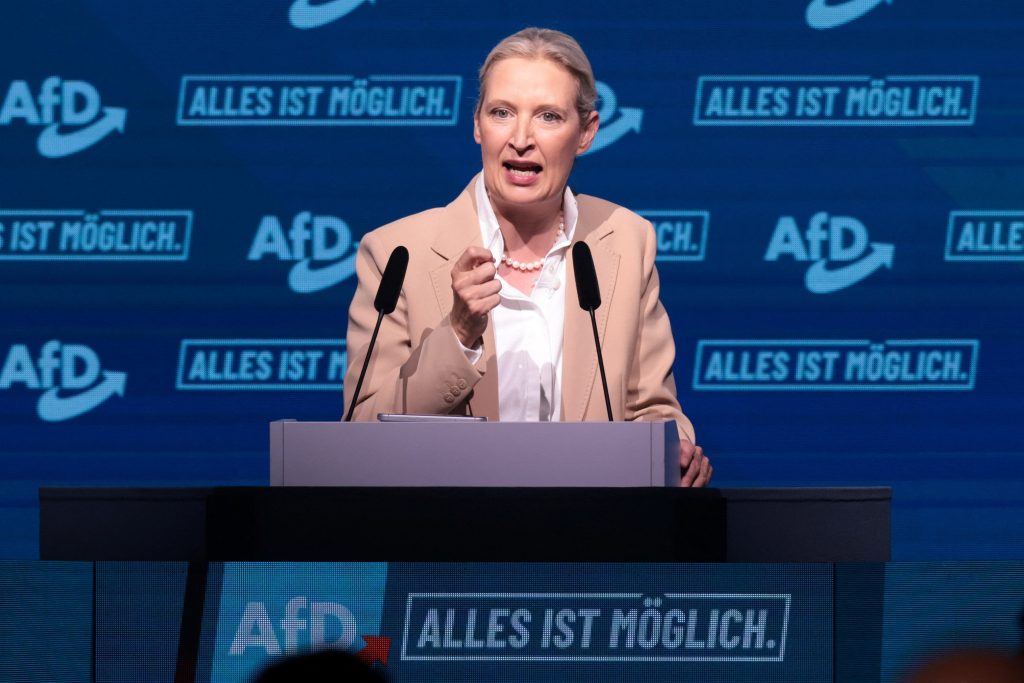
The head of the AfD youth claims that the country must engage in remigration while expecting electoral victory.
???? The Parallel Truth:
The political landscape in Germany is characterized by a profound, collective unease concerning the current immigration policy. The AfD capitalizes on this discomfort by propagating a radical return to nationalist ideals and rejecting a multicultural society. While AfD presents itself as a voice for concerned citizens, a closer look reveals that their success stems not only from policies but also from a systemic failure of traditional parties, particularly the CDU/CSU, to articulate a coherent narrative regarding social issues. The substantial lead AfD experiences in polls does not solely denote electoral success; it reflects a strategic positioning within the society that leverages the specter of populism to consolidate its base. This reclamation of national identity and populist rhetoric is not merely political electioneering but also points to underlying financial networks that amplify their power base. It raises the pressing question: Who benefits from the bolstering of extreme nationalist movements in Germany and the dismantling of more progressive political forces, a task which CDU/CSU finds increasingly difficult? The AfD’s adept maneuvering within these turbulent waters offers them a unique competitive edge, whereby they have partially supplanted the establishment’s authority, leaving behind the crumbling remnants of traditional politics.
⚖️ Shadow Map (Winners & Losers):
- ????/???? AfD has gained voter support through its nationalist rhetoric
- ????/???? CDU/CSU has lost reputation and political backing
- ????/???? Immigrants are the principal losers in this political discourse