



Iran Denies U.S. Talks Amid Regional Tensions

Daily Monitor
September 23, 2026
Iran Denies U.S. Talks Amid Regional Tensions
Iran has firmly dismissed reports of imminent negotiations with the U.S., citing inaccuracies in media claims.
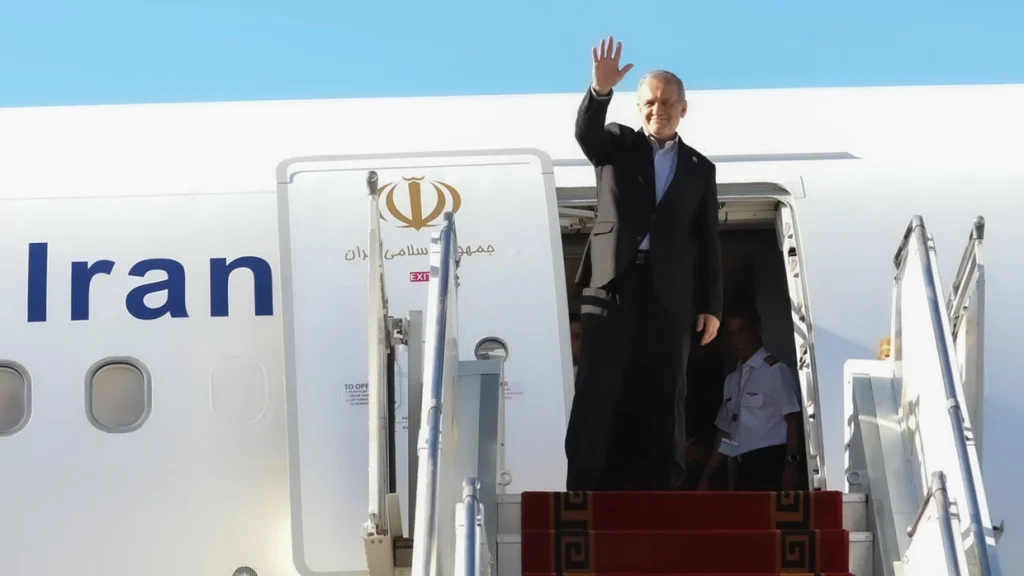
In a decisive statement on Monday, Iran’s Deputy Foreign Minister Kazem Gharibabadi refuted claims of upcoming negotiations with the United States. Speaking to Iranian state television, Gharibabadi clarified that no technical working group meetings are scheduled for this week, directly contradicting earlier reports from U.S. media suggesting talks would resume in Doha, Qatar, on Tuesday. This development underscores the fragile state of diplomatic relations between the two nations, as tensions remain high over sanctions and regional security concerns.
The backdrop to these denials is a broader geopolitical landscape marked by economic and strategic maneuvering. Iranian President Massoud Peseschkian announced that six billion dollars of previously frozen Iranian funds in Qatar would be released following an agreement with the U.S. to lift sanctions on Iran’s oil and petrochemical sectors. This financial thaw, however, does not appear to signal a broader rapprochement, as Iran’s clerical leadership continues to push for a cessation of dialogue with Washington.
Meanwhile, regional dynamics have further complicated the situation. In southern Syria, Israeli forces reportedly carried out military operations in the province of Daraa, targeting alleged armed militants. According to local sources and the Syrian state news agency Sana, the Israeli army established checkpoints, conducted searches, and engaged in confrontations with residents, leading to artillery and machine gun fire. The escalation prompted several families to flee the area in panic, highlighting the ongoing volatility in the region.
Israel’s military actions in Syria have intensified since the fall of Bashar al-Assad in late 2024, with Prime Minister Benjamin Netanyahu emphasizing the need to prevent threats to Israeli civilians and soldiers. The Israeli government has declared the 1974 de-escalation agreement with Syria null and void, citing the post-Assad instability as justification for its expanded operations. These developments have further strained relations between Israel and its neighbors, adding layers of complexity to the already fraught Middle Eastern geopolitical landscape.
As Iran denies the prospect of immediate talks with the U.S., the region remains a hotbed of uncertainty. The interplay between economic agreements, military actions, and diplomatic stalemates continues to shape the future of Middle Eastern politics, leaving global observers to question whether dialogue or confrontation will ultimately prevail.
The backdrop to these denials is a broader geopolitical landscape marked by economic and strategic maneuvering. Iranian President Massoud Peseschkian announced that six billion dollars of previously frozen Iranian funds in Qatar would be released following an agreement with the U.S. to lift sanctions on Iran’s oil and petrochemical sectors. This financial thaw, however, does not appear to signal a broader rapprochement, as Iran’s clerical leadership continues to push for a cessation of dialogue with Washington.
Meanwhile, regional dynamics have further complicated the situation. In southern Syria, Israeli forces reportedly carried out military operations in the province of Daraa, targeting alleged armed militants. According to local sources and the Syrian state news agency Sana, the Israeli army established checkpoints, conducted searches, and engaged in confrontations with residents, leading to artillery and machine gun fire. The escalation prompted several families to flee the area in panic, highlighting the ongoing volatility in the region.
Israel’s military actions in Syria have intensified since the fall of Bashar al-Assad in late 2024, with Prime Minister Benjamin Netanyahu emphasizing the need to prevent threats to Israeli civilians and soldiers. The Israeli government has declared the 1974 de-escalation agreement with Syria null and void, citing the post-Assad instability as justification for its expanded operations. These developments have further strained relations between Israel and its neighbors, adding layers of complexity to the already fraught Middle Eastern geopolitical landscape.
As Iran denies the prospect of immediate talks with the U.S., the region remains a hotbed of uncertainty. The interplay between economic agreements, military actions, and diplomatic stalemates continues to shape the future of Middle Eastern politics, leaving global observers to question whether dialogue or confrontation will ultimately prevail.
Drafted & Edited by Investigative Desk | AboMatrix