



Instagram Plea Sparks Kremlin Tensions

Daily Monitor
September 20, 2026
Instagram Plea Sparks Kremlin Tensions
A Russian veteran’s viral Instagram appeal to Vladimir Putin warns of unrest and exposes military corruption.
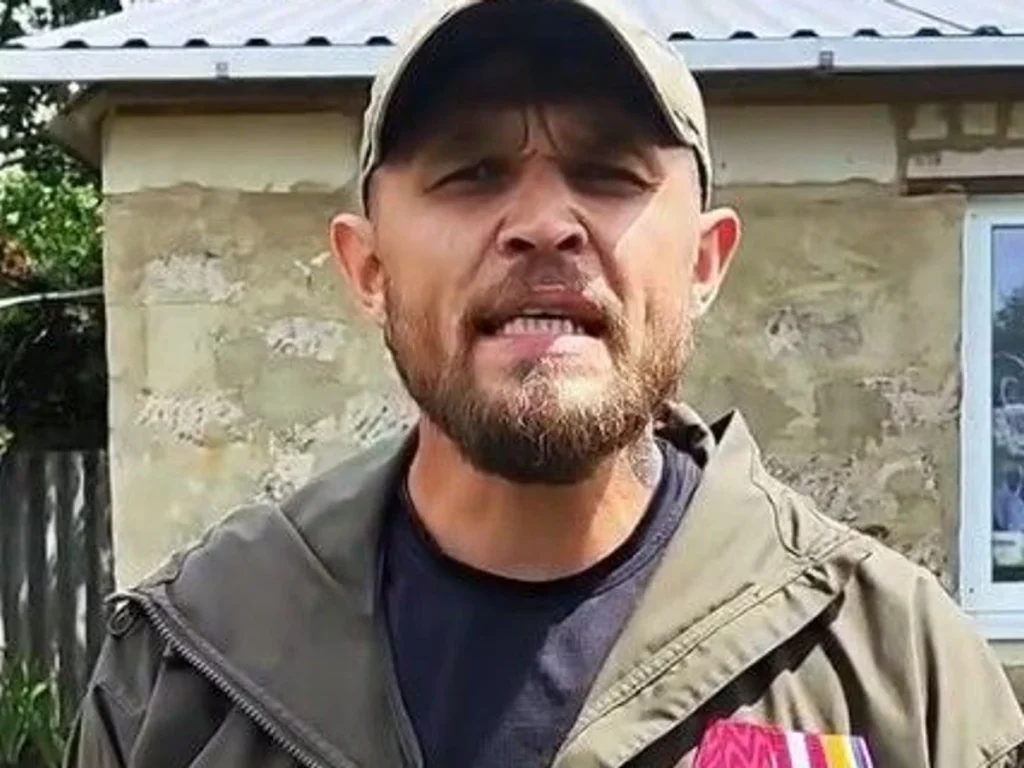
In a dramatic turn of events, Alexandr Lunin, a 39-year-old Russian veteran and videoblogger, has captured national attention with a bold Instagram appeal directed at President Vladimir Putin. Lunin, donning a jacket adorned with military honors despite the summer heat, demanded a personal audience with the Russian leader to reveal what he described as the ‘whole truth’ about the state of the nation. His warning was stark: failure to grant this meeting could lead to ‘serious consequences,’ including the possibility of the army turning its weapons against the Kremlin.
Lunin’s brief yet incendiary video, which has garnered millions of views on Instagram—a platform technically blocked in Russia—paints a grim picture of life within the Russian military. He alleges widespread corruption, extortion, and abuse by commanding officers, claiming that soldiers who resist ‘suicidal orders’ are tortured, extorted, or even killed, euphemistically referred to as being ‘annulled’ in military jargon. According to Lunin, these practices affect ‘hundreds, thousands of soldiers,’ fueling discontent within the ranks.
The veteran’s appeal has drawn comparisons to the infamous rebellion led by Yevgeny Prigozhin, the late leader of the Wagner Group, whose uprising three years ago sent shockwaves through the Kremlin. While Lunin lacks Prigozhin’s armed forces, his call for transparency and justice resonates with a population increasingly disillusioned by censorship and propaganda. His video, recorded in his modest garden with a barking dog in the background, underscores the grassroots nature of his message—a stark contrast to the opulence of other Kremlin critics, such as Monaco-based beauty blogger Viktorija Bonja.
Lunin’s sudden rise to prominence has not gone unnoticed by authorities. Shortly after his video gained traction, police raided his home and detained him, citing his earlier appeals to Putin as the cause. Lunin claims that representatives from the Defense and Interior Ministries approached him days before his arrest, urging him to deliver their grievances to the president. This revelation raises questions about the extent of dissatisfaction within Russia’s military and government institutions.
The Kremlin’s response to Lunin’s plea remains uncertain, but his story highlights the growing cracks in Russia’s tightly controlled narrative. As social media continues to serve as a rare outlet for dissent, figures like Lunin challenge the status quo, risking personal freedom to shed light on the nation’s hidden struggles.
Lunin’s brief yet incendiary video, which has garnered millions of views on Instagram—a platform technically blocked in Russia—paints a grim picture of life within the Russian military. He alleges widespread corruption, extortion, and abuse by commanding officers, claiming that soldiers who resist ‘suicidal orders’ are tortured, extorted, or even killed, euphemistically referred to as being ‘annulled’ in military jargon. According to Lunin, these practices affect ‘hundreds, thousands of soldiers,’ fueling discontent within the ranks.
The veteran’s appeal has drawn comparisons to the infamous rebellion led by Yevgeny Prigozhin, the late leader of the Wagner Group, whose uprising three years ago sent shockwaves through the Kremlin. While Lunin lacks Prigozhin’s armed forces, his call for transparency and justice resonates with a population increasingly disillusioned by censorship and propaganda. His video, recorded in his modest garden with a barking dog in the background, underscores the grassroots nature of his message—a stark contrast to the opulence of other Kremlin critics, such as Monaco-based beauty blogger Viktorija Bonja.
Lunin’s sudden rise to prominence has not gone unnoticed by authorities. Shortly after his video gained traction, police raided his home and detained him, citing his earlier appeals to Putin as the cause. Lunin claims that representatives from the Defense and Interior Ministries approached him days before his arrest, urging him to deliver their grievances to the president. This revelation raises questions about the extent of dissatisfaction within Russia’s military and government institutions.
The Kremlin’s response to Lunin’s plea remains uncertain, but his story highlights the growing cracks in Russia’s tightly controlled narrative. As social media continues to serve as a rare outlet for dissent, figures like Lunin challenge the status quo, risking personal freedom to shed light on the nation’s hidden struggles.
Drafted & Edited by Investigative Desk | AboMatrix