



Implementation of Language Mediation in Asylum Procedures by BAMF
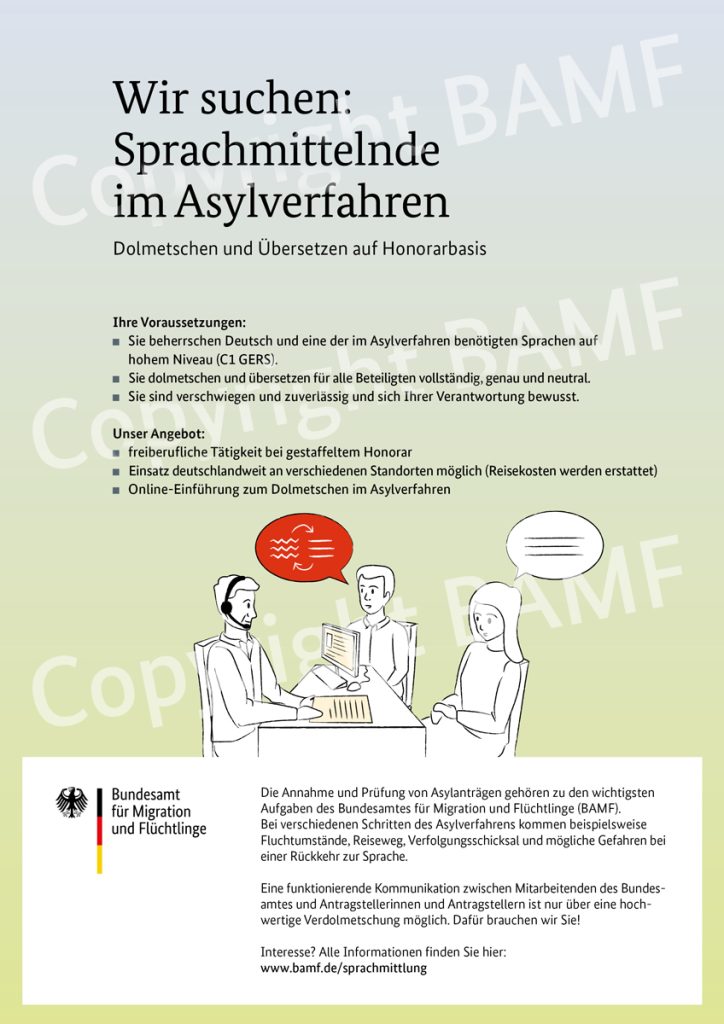
The Federal Office for Migration and Refugees (BAMF) has initiated a policy to incorporate language mediation services into the asylum process, aiming to streamline com...

Implementation of Language Mediation in Asylum Procedures by BAMF
⏱ 4 min read
Executive Summary
The Federal Office for Migration and Refugees (BAMF) has initiated a policy to incorporate language mediation services into the asylum process, aiming to streamline communication between asylum seekers and authorities. This strategic move seeks to address language barriers that have historically hindered the efficiency of asylum applications and evaluations.
Strategic Context
Germany has experienced significant influxes of asylum seekers over the past decade, particularly during the 2015 refugee crisis. This surge necessitated systemic changes in the asylum process to enhance efficiency and ensure that applicants’ rights are adequately protected. The BAMF, tasked with processing asylum claims, has recognized that language barriers significantly impede the assessment of applications, often leading to misunderstandings and delays in processing. The introduction of language mediation is thus positioned as a critical response to these challenges, reflecting a broader trend within European migration policy to improve integration outcomes for refugees.
Deep Analysis
The decision to implement language mediation reflects a growing acknowledgment of the complexities involved in asylum procedures. By facilitating better communication, BAMF aims to improve the accuracy of asylum claims, reduce the number of rejected applications due to miscommunication, and ultimately foster a more humane approach to refugee processing. Politically, this initiative aligns with Germany’s commitment to uphold human rights standards while managing migration flows, showcasing an effort to balance humanitarian obligations with national interests. Furthermore, it presents an opportunity for BAMF to enhance its operational capacity and credibility within the European context, particularly as other EU nations grapple with their own migration challenges.
However, the policy’s success hinges on the effective implementation of language mediation services. The availability of trained mediators and the integration of these services into existing asylum procedures will be crucial. There is a potential risk of bureaucratic inefficiencies if adequate resources are not allocated to this initiative. Additionally, the involvement of mediators must be carefully managed to ensure that they do not inadvertently influence the content or outcomes of asylum applications, maintaining the integrity of the process.
Furthermore, this policy may reflect broader political motivations within Germany, where there is a growing public discourse surrounding migration and integration. By adopting measures that enhance the asylum process, the government may be attempting to address public concerns regarding the effectiveness of its immigration system. This could also serve to counteract the rising influence of far-right parties that advocate for stricter immigration controls, positioning BAMF’s initiative as a proactive approach to fostering social cohesion and integration.
Impact on Migrants
The introduction of language mediation is expected to have significant legal and social implications for asylum seekers. Legally, improved communication could lead to more accurate assessments of claims, potentially increasing the likelihood of successful applications. This could also reduce the number of appeals filed due to misunderstandings during the initial application process, thus alleviating pressure on the judicial system. For many refugees, clarity in communication can significantly impact their ability to present their cases effectively, which is critical for their legal standing in Germany.
Socially, the presence of language mediators may create a more welcoming environment for asylum seekers, as it acknowledges and addresses their linguistic needs. This could foster trust in the asylum process, encouraging more individuals to seek protection in Germany. Additionally, as refugees are better able to communicate their experiences and needs, there may be positive ripple effects on integration efforts within communities, promoting social cohesion and reducing xenophobic sentiments.
Outlook & Conclusion
Looking ahead, the success of BAMF’s language mediation initiative will depend on sustained political will and adequate funding. If effectively implemented, this policy could serve as a model for other countries grappling with similar challenges in their asylum processes. However, ongoing monitoring and adaptation will be necessary to ensure that the initiative meets its objectives of improving communication and enhancing the overall efficacy of the asylum system.
Anchor Source: news.google.com | Analyzed by AboMatrix AI Engine