



Impact of the rise of right-wing parties in Germany on national unity and political equilibrium

Impact of the rise of right-wing parties in Germany on national unity and political equilibrium
Impact of the rise of right-wing parties in Germany on national unity and political equilibrium
???? The Core Event:
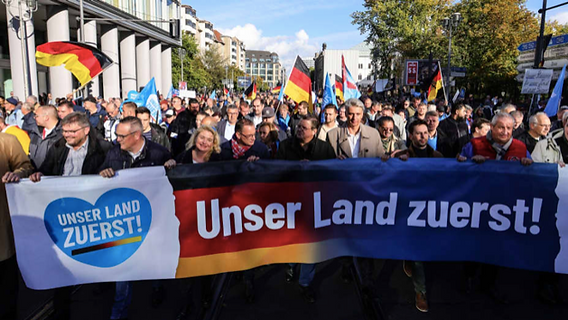
Germany’s political scene witnesses a notable surge of far-right parties, particularly AfD, sparking concerns over national unity and future policies.
???? Objective Analysis:
Germany has long been regarded as a model of stability in Europe, both politically and socially, since the end of World War II. However, the growing prominence of far-right political groups, especially the Alternative for Germany (AfD), presents serious questions regarding the resilience of its democracy and society in the face of new challenges. Contributing factors to this political shift include dissatisfaction among middle-class voters with conventional policies, alongside increasing immigration-related anxieties.
Socially, migration has become a focal point of public discourse, amplified by the rhetoric of far-right groups. While traditional parties promote multiculturalism and integration, right-wing rhetoric often intensifies societal divisions, feeding off fears and uncertainties. The results of recent elections in Saxony-Anhalt have raised significant concerns over the potential for AfD to achieve a majority in certain regions. Such outcomes could lead to substantial shifts in local governance, yet at the risk of national unity.
Political figures like President Frank-Walter Steinmeier warning against the threats of narrow nationalist thinking reflect the widespread unease among Germany’s leadership. This underscores the importance of grassroots efforts, civil society organizations, and local communities to foster dialogue and reduce societal tensions amidst rising political polarization.
⚖️ Public & Societal Impact:
- ???? AfD supporters can be considered winners as the party taps into widespread middle-class dissatisfaction.
- ???? Immigrant communities may face heightened challenges due to anti-migration rhetoric, necessitating stronger integration efforts.
- ???? The rise of extremist political forces risks undermining political balance, adversely affecting social cohesion and national unity.
♟️ Future Projections:
Legally, the judiciary may play an instrumental role by imposing constraints on far-right parties should their activities breach constitutional limits. Despite this, the task of regaining public trust, especially among disaffected voters, remains pivotal.
For immigrant communities, proactive integration measures—including educational outreach, enhanced labor opportunities, and cultural exchanges—should be prioritized. These initiatives could alleviate social tensions and reinforce Germany’s position as a pragmatic global leader in multicultural democracy.